
India Rejects Pakistan's "Misleading" Water Security Remarks, Calls it a Diversion
India has strongly rejected Pakistan's "misleading and baseless" remarks on water security, calling them an attempt to deflect from its internal crises.
Top Summary
- What happened: India firmly rejected recent "anti-India" remarks by Pakistan's Defence Minister, Khawaja Asif, regarding water security and potential conflict.
- Why it matters: India views these statements as an irresponsible attempt by Pakistan to divert international attention from its severe domestic political, economic, and security challenges.
- What changes: India reiterated its commitment to defending national interests and urged Pakistan to focus on its internal issues, dismissing the remarks as not reflecting actual policy.
- Who is affected: The diplomatic relationship between India and Pakistan is further strained by such provocative statements, impacting regional stability.
India Rejects Pakistan's "Baseless" Remarks
New Delhi: India has issued a strong rebuke to Pakistan, rejecting a recent "anti-India" statement concerning water security and potential conflict. The Ministry of External Affairs (MEA) characterized the remarks as "completely misleading, baseless, and a diversionary attempt."
The controversial statement was made by Pakistan's Defence Minister, Khawaja Asif. India asserts that Pakistan consistently employs such rhetoric to shift international focus away from its escalating internal political instability, economic crisis, and critical security issues.
MEA Slams "Provocative" Diplomacy
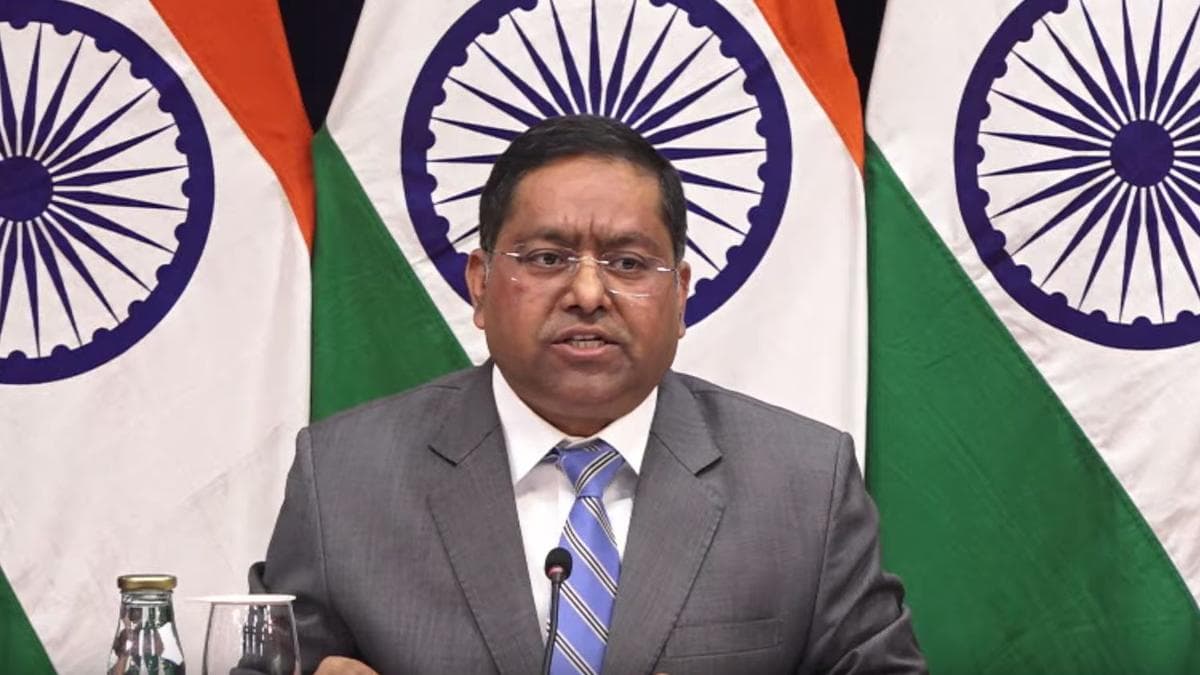
A spokesperson for the Ministry of External Affairs stated that Pakistan's remarks lack factual basis and do not align with responsible diplomatic conduct. India acknowledges these "provocative and irresponsible" statements seriously.
However, India clarified that it does not consider these statements a true reflection of actual policy or ground reality. The spokesperson further affirmed India's unwavering commitment to defend its sovereignty, security, and national interests, unequivocally rejecting any threats or false accusations.
Escalating Tensions
Khawaja Asif's comments specifically targeted India regarding water resources and regional security, hinting at a warlike scenario. India has deemed these suggestions entirely unacceptable.
The Indian side emphasized that such statements only serve to heighten tensions and further destabilize the already fragile relationship between the two nations. India reiterated the urgent need for responsible dialogue and cooperation to maintain regional stability, rather than resorting to inflammatory language.
India's Clear Message
India explicitly stated that its policy would not be dictated by threats, baseless allegations, or provocative rhetoric. The MEA urged Pakistan to instead concentrate on its domestic situation, including its challenges with terrorism and its severe economic crisis.
Government sources highlighted that India's foreign policy has consistently championed principles of peaceful coexistence and dialogue. However, they firmly underscored that there would be no compromise on national security.
Expert Viewpoint
Diplomatic experts suggest that such statements often serve as a tool to divert attention from internal political pressures. India's response aligns with this perspective, viewing Pakistan's remarks as a "diversion strategy" rather than a serious strategic shift.
Experts stress the critical importance of responsible communication in the current tense climate between India and Pakistan. This is essential to prevent misunderstandings and avoid any unnecessary escalation of tensions.
What to Watch Next
The diplomatic landscape between India and Pakistan remains fraught with challenges, underscoring the ongoing need for trust-building measures and responsible engagement. Future developments will likely depend on whether Pakistan shifts its focus to internal matters or continues with provocative rhetoric.
India's consistent stance for peace and stability, coupled with its firm rejection of threats, will continue to shape its foreign policy approach in the region.