
India Pledges to End AIDS as Public Health Threat by 2030 at UN Meet
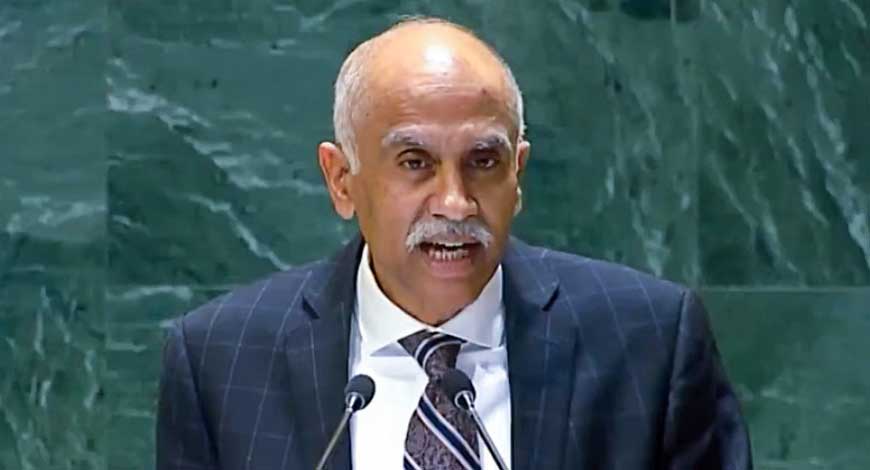
India's UN envoy, Harish Parvathaneni, reaffirmed the nation's commitment to eradicating AIDS as a public health threat by 2030.
Top Summary
- What happened: India reaffirmed its commitment to ending AIDS as a public health threat by 2030 at a UN High-Level Meeting.
- Why it matters: This commitment reinforces global efforts and highlights India's progress through its National AIDS and STD Control Programme.
- What changes: Continued focus on reducing new HIV infections, AIDS-related deaths, and expanding access to vital prevention, testing, and treatment services.
- Who is affected: People living with or at risk of HIV/AIDS globally and within India, benefiting from sustained health system efforts.
India Reaffirms 2030 AIDS Eradication Goal
India remains steadfast in its commitment to ending AIDS as a public health threat by 2030. This pledge was reiterated by Harish Parvathaneni, India's Permanent Representative to the United Nations, at the High-Level Meeting on HIV/AIDS in New York on Monday (local time).
Addressing the global assembly, Parvathaneni delivered India's national statement on the 2026 Political Declaration on HIV/AIDS. He emphasized India's support for the worldwide goal to end AIDS.
Global Commitment and National Efforts
Parvathaneni highlighted the critical juncture of the global HIV response, noting both significant progress and persistent challenges.
“As we approach the 2030 deadline, the global HIV response stands at a critical juncture. While remarkable progress has been achieved over the past two decades, persistent inequalities, financing constraints, and emerging global challenges continue to threaten these gains. We therefore support the Declaration's renewed commitment to ending AIDS as a public health threat by 2030 and sustaining progress beyond,” he stated.
Domestically, India is implementing its National AIDS and STD Control Programme. This robust program is guided by evidence-based planning, strong community engagement, and integrated service delivery across the nation.
Sustained Investments Yield Results
Through sustained domestic investments, India has achieved considerable success in its fight against HIV/AIDS.
The country has seen a reduction in new HIV infections and AIDS-related deaths. Additionally, access to crucial prevention, testing, treatment, care, and support services has significantly expanded.
Parvathaneni welcomed the declaration's emphasis on country ownership and sustainable financing for long-term solutions.
“For long-term sustainability, national responses must be led by countries, must be aligned with local epidemiology, and supported by predictable financing and strengthened health systems,” he affirmed.
What to Watch Next
Future efforts will focus on continued implementation of the National AIDS and STD Control Programme, ensuring sustained domestic investments and community engagement. India's commitment will be crucial in navigating persistent inequalities and financing constraints to meet the ambitious 2030 deadline.