
E20 Petrol Debate: Mileage Woes vs. National Policy
India grapples with E20 petrol, balancing consumer concerns on mileage with national energy and environmental goals.
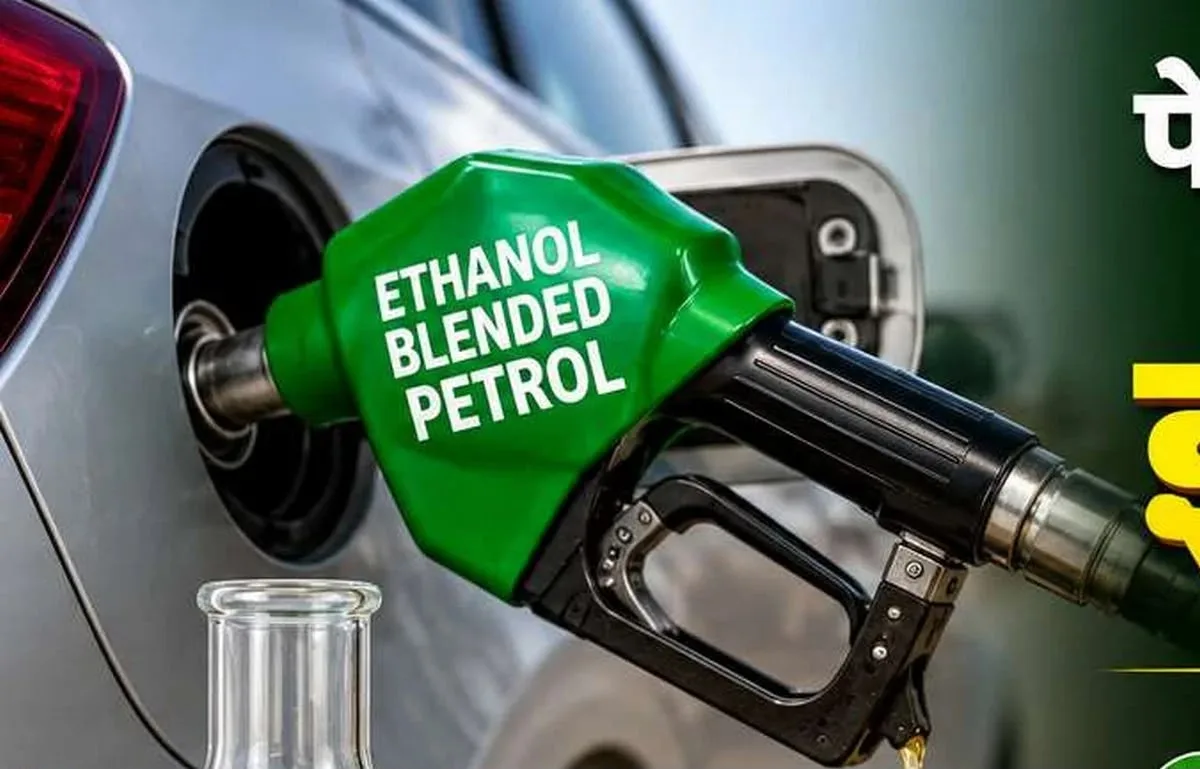
Top Summary
- What happened: A nationwide debate has intensified over E20 petrol (20% ethanol blend), with consumers reporting mileage drops and the government defending it as a key national policy.
- Why it matters: The policy aims to reduce oil imports, boost energy security, and support the agricultural sector, but faces significant public concern regarding vehicle performance.
- What changes: Vehicle owners may experience a slight decrease in mileage. Modern vehicles are being adapted, but older models might face minor long-term impacts.
- Who is affected: Vehicle owners, the automotive industry, farmers, the government, and the environment are all impacted by the E20 fuel policy.
Fueling Controversy: The E20 Petrol Debate
Across India, a heated discussion is underway concerning E20 petrol, a blend incorporating 20% ethanol. This fuel initiative has become a focal point for vehicle owners, experts, and the government, creating a significant public discourse.
Vehicle owners are voicing complaints about a reduction in mileage and potential engine strain. In contrast, the government champions the policy as a crucial step towards enhanced energy security, environmental protection, and agricultural economic growth.
Mileage Concerns and Technical Explanations
The core of the controversy lies in the assertion that E20 petrol leads to decreased vehicle mileage. Numerous drivers have reported an increase in fuel consumption, with some observing a 2-3% drop in their vehicle's efficiency.
However, some users acknowledge that mileage can be influenced by factors like vehicle condition, driving habits, and road conditions. The primary technical reason for this effect is that ethanol possesses a lower energy density compared to petrol, necessitating slightly more fuel for the same distance.
Government's Strong Defence of the EBP
The government is firmly backing its Ethanol Blending Programme (EBP), stating it is not an experimental initiative but a scientifically tested, long-term national strategy. The Ministry of Petroleum highlights the program's objectives:
- Reducing dependence on crude oil imports.
- Strengthening energy security.
- Increasing farmer incomes.
The government also clarified that media reports labelling E20 as an "experiment" are inaccurate. Officials emphasize that the policy has undergone extensive testing and a phased implementation, representing a thoroughly planned endeavor.
Judicial Scrutiny and Expert Opinions
The E20 fuel issue has even reached the Supreme Court, where a petition concerning ethanol blending was heard. The central government presented its case, arguing the policy's necessity from both environmental and economic standpoints.
Automotive experts and studies by the Automotive Research Association of India (ARAI) indicate that E20 fuel generally poses no significant harm to vehicles designed for its compatibility. Modern vehicles are increasingly being engineered to meet E20 standards.
Nonetheless, prolonged use in older vehicles might cause minor wear on components such as rubber seals, gaskets, and parts of the fuel system. This necessitates careful monitoring and potential adaptation for older vehicle fleets.
Environmental and Economic Imperatives
From an environmental perspective, ethanol blending is viewed as a positive development. It contributes to reduced pollution compared to pure petrol and aids in lowering carbon emissions, thereby improving air quality and supporting India's climate targets.
Economically, the policy is significant for diminishing India's reliance on crude oil imports. A substantial portion of the nation's foreign exchange is spent on oil; ethanol usage offers a way to curb this expenditure. Additionally, it benefits farmers by increasing demand for crops like sugarcane and maize, boosting their earnings.
Consumer Concerns Persist Amidst Benefits
Despite these advantages, consumer concerns remain prominent. Many vehicle owners feel there hasn't been sufficient awareness disseminated about this transition. Some also point out that the fuel price doesn't reflect the reduced energy content, reinforcing the perception of higher per-kilometre costs.
Automobile associations and consumer groups are advocating for clear labeling at petrol pumps, enhanced public awareness campaigns, and greater transparency from vehicle manufacturers. They believe that such measures are crucial for mitigating disputes.
Government's Long-Term Vision
The government maintains that this policy is integral to India's long-term energy strategy and that initial challenges are common. They anticipate a smoother system as vehicles, infrastructure, and consumer awareness evolve over time.
Experts suggest the E20 controversy highlights the challenge of balancing environmental objectives, economic strategies, and consumer experiences. While the government sees it as essential for the future, consumers are focused on its immediate effects.
What to Watch Next
The policy's trajectory will depend on how effectively the government addresses consumer concerns while upholding its energy and environmental goals. Future developments will likely involve continued dialogue, technological adaptations, and policy refinements.