
Darkest Skies: Top Spots for Stargazing, Milky Way Views Revealed!
Discover Earth's darkest regions offering unparalleled views of stars and planets.
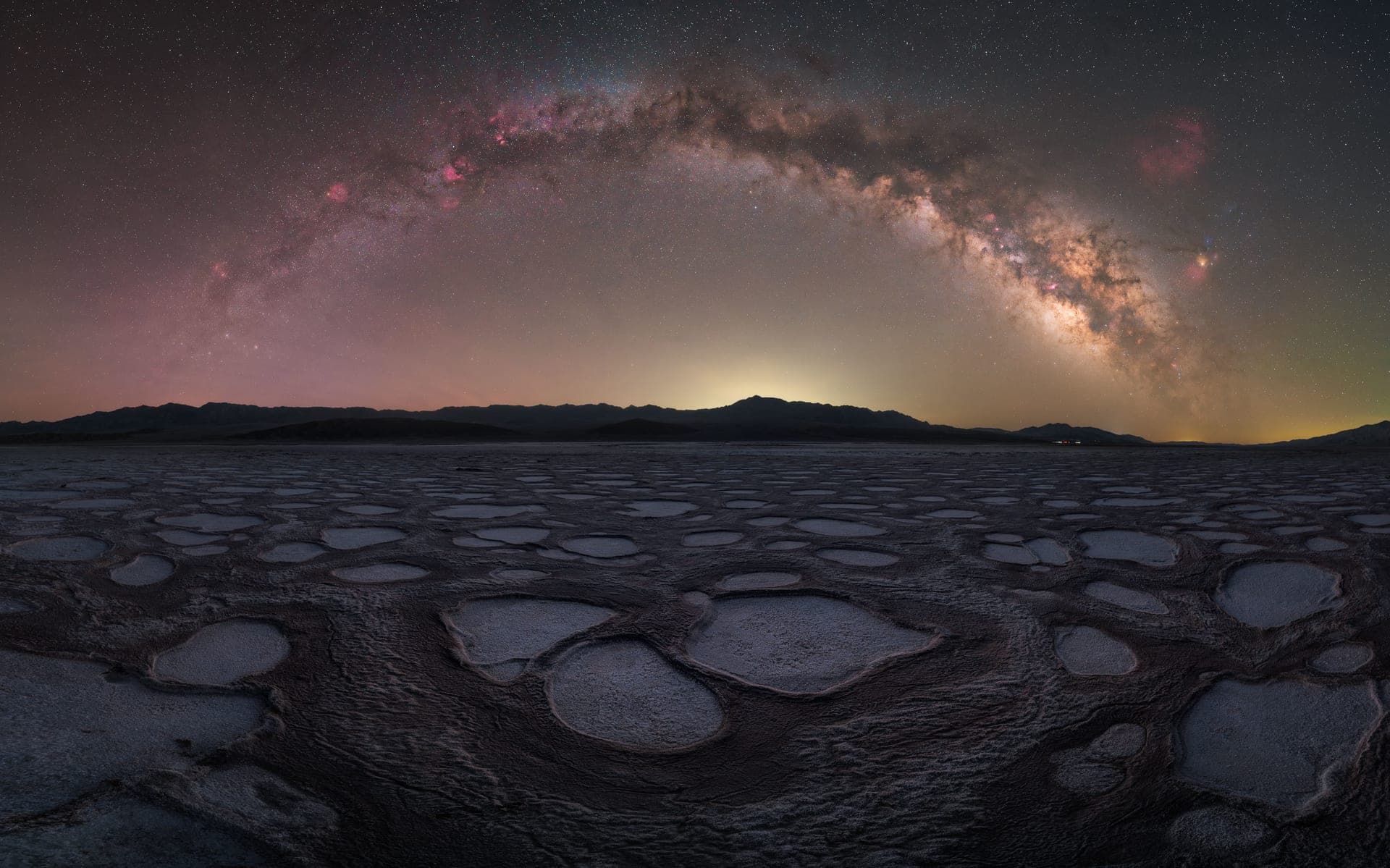
Top Summary
- What happened: Researchers identify the top 10 darkest regions on Earth ideal for stargazing, offering clear views of planets, stars, and the Milky Way.
- Why it matters: Light pollution is increasing globally, making truly dark skies rare. These regions offer invaluable opportunities for scientific research and connecting with the cosmos.
- What changes for people: Travelers and astronomy enthusiasts now have a definitive list of prime locations to experience the night sky in its full glory.
- Who is affected: Astronomers, researchers, stargazers, and anyone interested in preserving natural darkness are directly affected.
The Dimming Night: A Global Crisis
Artificial light is obscuring the night sky. Researchers estimate that over 80% of the world's population lives under light-polluted skies.
This makes it increasingly difficult to view celestial objects. Urban areas struggle to see beyond the brightest stars.
Top 10 Dark Sky Havens
Fortunately, some havens remain. Remote deserts, mountains, and protected reserves still offer exceptional night-sky conditions.
These locations are vital for both scientific observation and public enjoyment of the cosmos.
- Atacama Desert, Chile: Known for its dryness, high altitude, and clear atmosphere, home to world-famous observatories like ALMA. The Milky Way is so bright it can cast shadows.
- Namib Desert, Namibia: An ancient desert with low population density, providing unobstructed views of the southern celestial hemisphere. The Large and Small Magellanic Clouds are visible to the naked eye.
- Mauna Kea, Hawaii, United States: Rising 4,207 meters above sea level, offering a stable window into space due to its location above atmospheric water vapor.
- Aoraki Mackenzie International Dark Sky Reserve, New Zealand: Strict lighting controls preserve the region's pristine night skies across 4,300 square kilometers.
- Jasper Dark Sky Preserve, Canada: Located in Jasper National Park, offering mountain scenery combined with minimal light pollution. Popular during meteor showers and astronomy festivals.
- Galloway Forest Park, Scotland: One of Europe's darkest places, offering views of over 7,000 stars on favorable nights.
- Kerry International Dark Sky Reserve, Ireland: A remote location with rugged landscapes, ideal for viewing planets, galaxies, and the Milky Way.
- Tibetan Plateau: The "Roof of the World" boasts high-altitude viewing conditions, thin air, and limited development, resulting in exceptionally dark skies.
- Cherry Springs State Park, Pennsylvania, United States: Surrounded by forests and far from major cities, attracting stargazers to observe deep-sky objects.
- Australian Outback, Australia: Sparsely populated with vast open landscapes, offering extraordinary views of the southern night sky.
Why Dark Skies Matter
Light pollution has far-reaching consequences. It affects wildlife behavior, disrupts ecosystems, and diminishes our connection to the natural world.
"For astronomers, darker skies are essential for observing faint celestial objects and making new discoveries about the Universe."
Preserving the Darkness
Dark-sky reserves are becoming increasingly important. They ensure future generations can experience the awe of the night sky.
These protected areas offer scientists vital observing conditions. They also help people maintain a connection with the Universe.
Consider visiting or supporting these dark sky initiatives to help preserve them.
What to Watch Next
Expect increased efforts to combat light pollution in urban areas. Further research into the ecological impact of artificial light is also anticipated, hopefully leading to more awareness and responsible lighting practices.