
Ancient Wildfires Shaped Earth's Climate, Indian Study Reveals
Study finds ancient wildfires in Gondwana forests impacted Earth's climate.
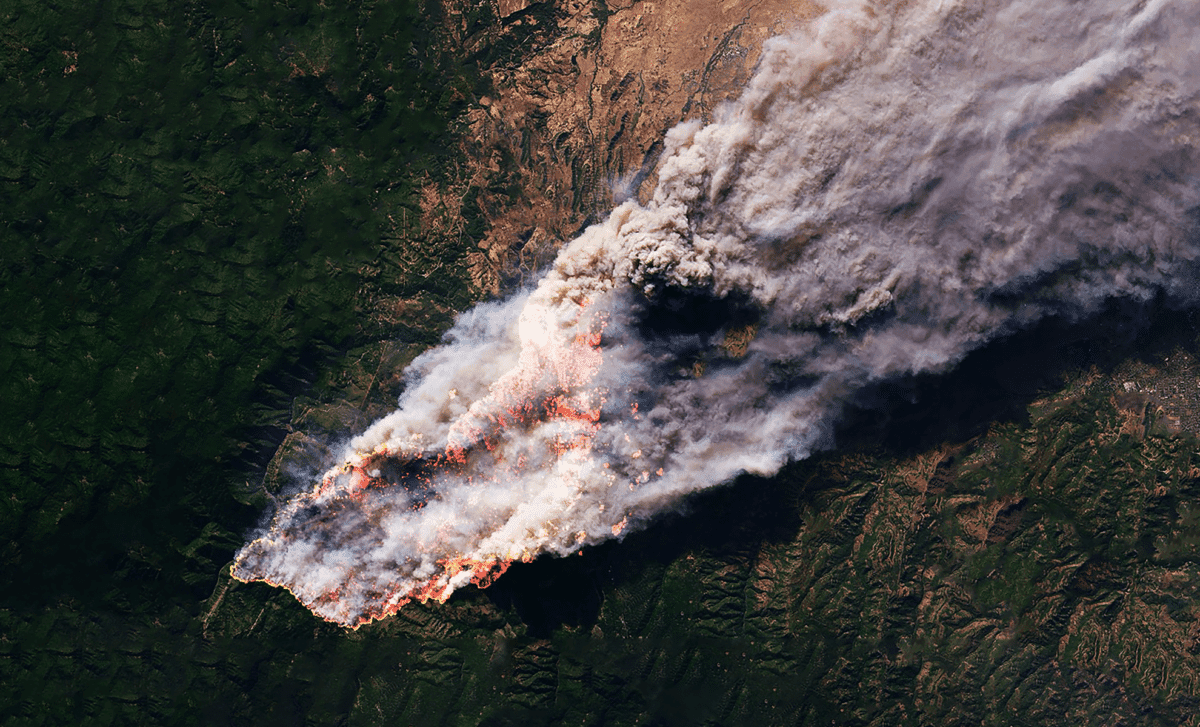
Top Summary
- What happened: Indian researchers found molecular evidence of massive wildfires in Gondwana forests from 250 million years ago.
- Why it matters: The findings offer new insights into Earth's past climate, vegetation, and coal formation.
- What changes: This research could improve climate models and predictions about ecosystem responses to wildfires.
- Who is affected: Scientists, climate researchers, and those interested in Earth's climate history are affected.
Unearthing Gondwana's Fiery Past
A new Indian study reveals that ancient wildfires significantly shaped Earth's climate. The research focuses on the prehistoric environment of the Gondwana supercontinent. Gondwana included present-day India.
Researchers from the Birbal Sahni Institute of Palaeosciences (BSIP) conducted the study. They analyzed coal-bearing sediments from the Godavari Valley Coalfield.
Innovative Research Methods
Earlier studies found macrocharcoal remains in Permian sediments in India. Differentiating microscopic charcoal particles proved challenging. Conventional microscopic methods were not sufficient.
The BSIP team used a multi-proxy approach. This combined palynofacies analysis with Raman spectroscopy and FTIR spectroscopy.
Key Findings and Analysis
The research team successfully identified high and low-intensity wildfire microcharcoal particles. They based this on morphology, preservation, and optical characteristics.
Molecular analysis detected combustion signatures. These include Poly Aromatic Hydrocarbons (PAHs) and thermal alteration markers.
"The study bridges a critical gap between visual identification of fire residues and their geochemical characterisation," researchers stated.
Implications for Climate Research
The findings were published in the Geological Journal. They are expected to improve understanding of Earth’s long-term climate history.
Scientists believe the research will contribute to more accurate climate models. These models will improve predictions about ecosystem responses to extreme wildfires.
- Better understanding of ancient climate
- Improved climate models
- More accurate predictions of wildfire impact
What to Watch Next
Future research will likely focus on expanding the geographical scope of the study to other Gondwana basins. Scientists may also investigate the specific plant species that fueled these ancient wildfires and their contribution to atmospheric changes.