
Why NASA is struggling to launch the Artemis-II Moon mission
NASA’s first crewed lunar mission in over 50 years is facing delays.Technical issues during testing have forced engineers to slow down preparations.The agency says safety...
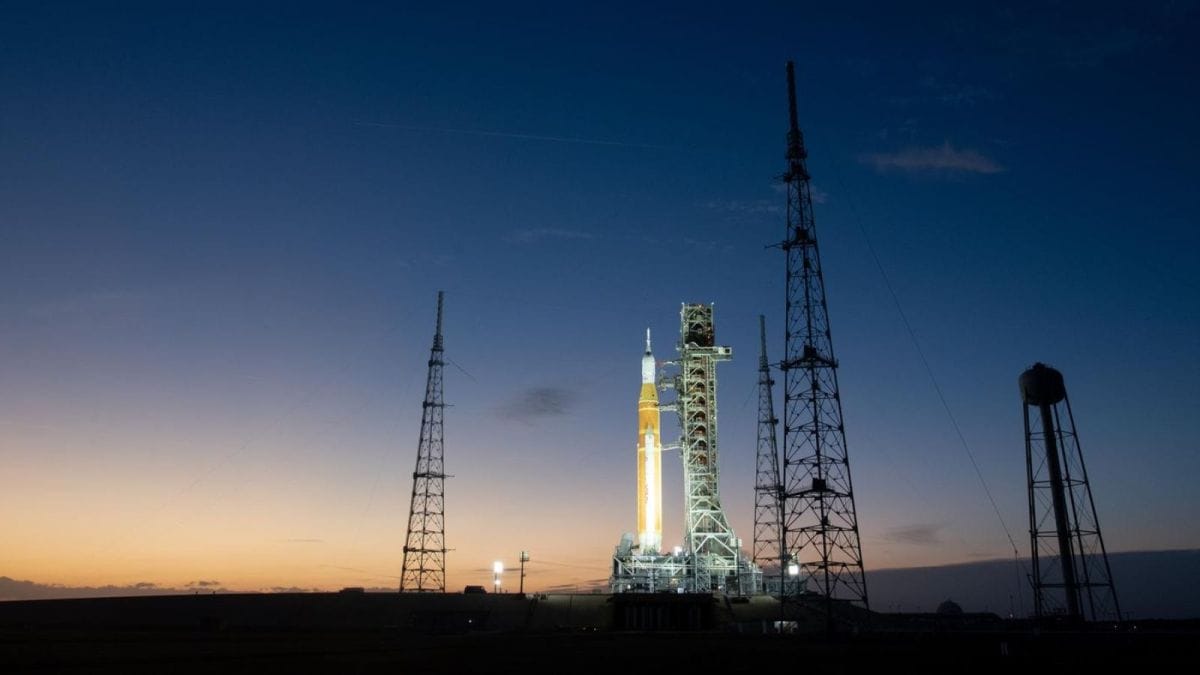
NASA’s first crewed lunar mission in over 50 years is facing delays.
Technical issues during testing have forced engineers to slow down preparations.
The agency says safety and transparency outweigh launch speed.
What happened:
NASA encountered technical challenges during testing of the Artemis-II mission, delaying its readiness for launch.
Why it matters now:
Artemis-II is the critical first crewed step toward returning humans to the Moon and building a sustained lunar presence.
What changes for people:
The Moon return timeline may shift, but safety upgrades could improve future missions.
Who is affected:
NASA astronauts, global space partners, US taxpayers, and future lunar exploration plans.
Artemis-II and NASA’s Moon return plan
Artemis-II is designed to send astronauts around the Moon aboard the NASA Artemis II, using the Space Launch System rocket and the Orion spacecraft.
The mission follows Artemis-I’s uncrewed test flight in 2022 and is seen as a gateway to future Moon landings and long-term lunar infrastructure.
The core technical problem
One of the biggest hurdles involves hydrogen propellant system seals and fueling interfaces on the SLS rocket. These components must handle extremely cold cryogenic fuel without leaking — a challenge that has repeatedly surfaced during testing.
During a confidence test on February 12, engineers assessed seals that had been repaired or replaced after earlier wet dress rehearsal issues. The results showed significantly reduced hydrogen leak rates, indicating progress.
The test was ended early, not due to failure, but because sufficient data had already been collected for analysis.
NASA’s cautious approach
NASA reviewed the test data the following day and released a public update soon after. The agency deliberately timed the announcement to avoid confusion with an unrelated crewed launch to the International Space Station.
NASA Administrator Jared Isaacman stressed that transparency is essential for a program of this scale and importance. He said the public deserves clear information about both progress and setbacks.
Why delays were expected
NASA officials say these challenges are not surprising. Artemis-II comes after a long gap since Artemis-I, and the SLS rocket is one of the most complex launch vehicles ever built.
Cryogenic fueling systems are particularly difficult to perfect, especially on a rocket designed for deep-space human missions.
Engineers are now refining both hardware and operational procedures to improve reliability before final flight readiness reviews.
Lessons shaping future missions
NASA is already applying Artemis-II lessons to upcoming flights. For Artemis-III, the agency plans to cryoproof the rocket earlier, before it reaches the launch pad, and redesign propellant-loading interfaces now under scrutiny.
Officials believe these changes will make future launches more predictable and reduce last-minute delays.
Safety remains the priority
Despite schedule pressure, NASA insists it will not compromise on crew safety. The Artemis program is structured as a long-term exploration effort, with evolving designs, new technologies, and expanding industry partnerships.
“There is still a great deal of work ahead,” Isaacman said, reaffirming that the mission will only launch when all systems meet strict safety standards.
Bottom line:
Artemis-II is delayed not by failure, but by NASA’s insistence on fixing complex rocket issues before sending astronauts back to deep space.
What to watch next:
NASA’s final analysis of propellant system data, upcoming flight readiness reviews, and whether Artemis-II’s launch window shifts further as safety upgrades continue.