
Why India's 2026 Monsoon is Delayed: The Mysterious Calm in the Indian Ocean
A strange atmospheric calm over the Indian Ocean has delayed the critical southwest monsoon, raising concerns over a below-normal rainy season.
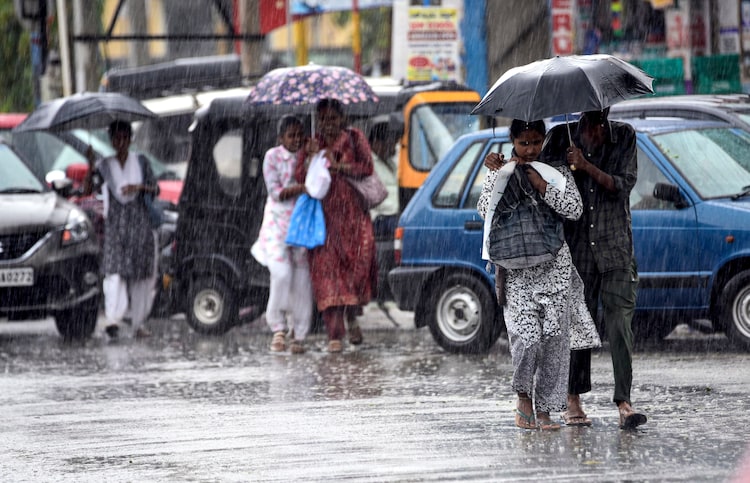
Top Summary
- What happened: The southwest monsoon is delayed beyond its usual June 1 onset date due to an inactive Indian Ocean.
- Why it matters: This monsoon delivers 70% to 80% of India's annual rainfall, which is vital for agriculture, reservoirs, and the economy.
- What changes: A delayed or weak monsoon leads to prolonged heatwaves, dry spells, and pressure on power supplies.
- Who is affected: Indian farmers sowing essential crops, urban populations facing water shortages, and the national economy are impacted.
The Lifeline Delayed
India is facing an anxious wait as the southwest monsoon misses its normal June 1 arrival in Kerala. The India Meteorological Department (IMD) has repeatedly revised its onset predictions, raising national concern.
This seasonal rainfall is the absolute lifeblood of the nation, delivering 70% to 80% of India's yearly rain between June and September. Without its timely arrival, the country risks severe heatwaves and economic pressure.
A healthy monsoon supports crucial agricultural and urban needs:
- Sowing of essential crops like rice and pulses
- Replenishing urban reservoirs to ease water shortages
- Lowering extreme summer temperatures
- Maintaining stable national food prices
Why the Weather 'Factory' Has Shut Down
Meteorologists point to an unusual calm over the Indian Ocean as the primary cause for the delay. Typically, this ocean acts as a weather factory, producing rain-bearing clouds that travel northward.
Currently, satellite imagery reveals massive, clear skies south of India with almost no cloud systems forming. Because these vital systems are failing to develop, the monsoon winds lack the strength to push deeper into the mainland.
This regional inactivity is compounded by global weather patterns, specifically a developing El Nino in the Pacific Ocean. This phenomenon alters wind flows and actively shifts rainfall away from the region.
IMD Issues Caution Over Below-Normal Rainfall
Due to these combined atmospheric factors, the IMD has downgraded its expectations for the current wet season. Agricultural and power sectors must prepare for a weaker seasonal performance.
The 2026 southwest monsoon is projected to deliver only 90% of its normal rainfall, officially categorizing the season as 'below normal.'
While pre-monsoon showers are appearing sporadically, the overall outlook remains dry. Meteorologists warn that even when the rains arrive, they may be highly uneven, leaving several regions drier than usual.
For now, the country remains under the intense summer sun, with citizens keeping an eye on the ocean and hoping that the clear skies south of India will soon fill with rain-bearing clouds.
What to Watch Next
Weather models suggest the delayed monsoon onset may still occur in the coming days. Observers should watch how reservoir levels and early crop sowing adapt to the uneven rainfall patterns. Additionally, the progression of El Nino will determine if rainfall remains restricted throughout the season.