
Why A Tiger Is Roaming Telangana’s Yadadri Bhuvanagiri District And What It Means For Wildlife Safety
A tiger sighted in Yadadri Bhuvanagiri district has sparked concern among residents and wildlife authorities across Telangana.Experts say the animal is likely a dispersing sub...
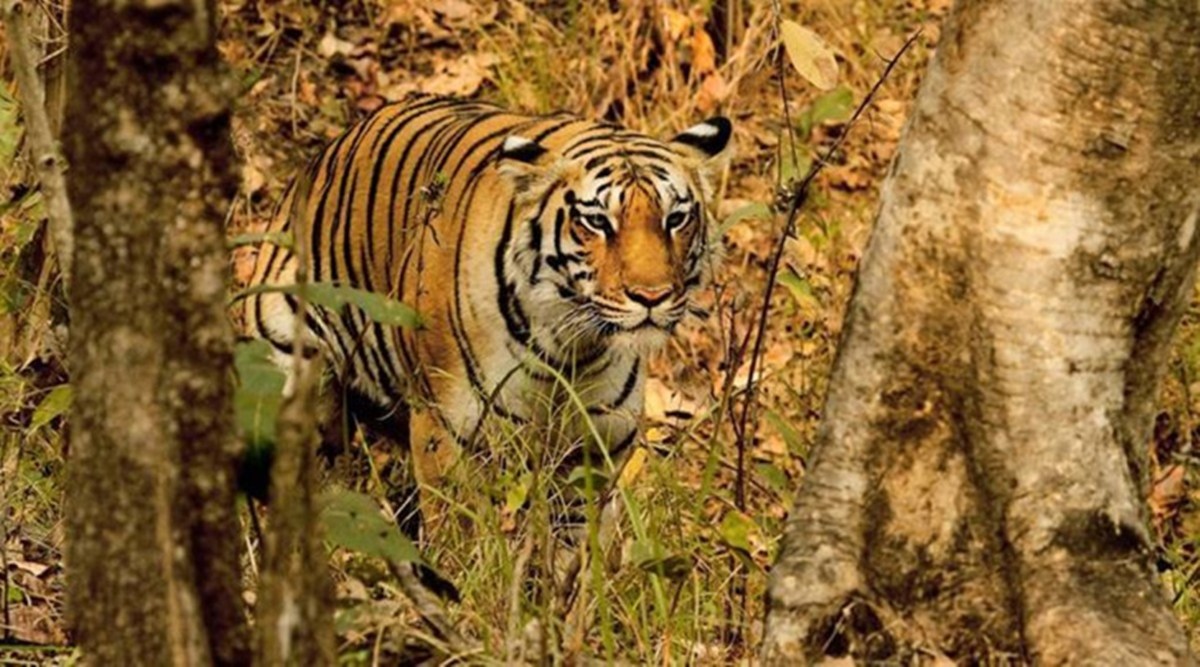
A tiger sighted in Yadadri Bhuvanagiri district has sparked concern among residents and wildlife authorities across Telangana.
Experts say the animal is likely a dispersing sub adult tiger searching for territory or a mate, a natural phase in a big cat’s life cycle.
Forest officials are monitoring movement closely to prevent human wildlife conflict.
-
What happened: A tiger has been moving across multiple districts before reaching Yadadri Bhuvanagiri, raising safety concerns.
-
Why it matters now: Dispersing tigers often travel through villages and farmland, increasing the risk of encounters with people.
-
What changes for people: Authorities may impose movement advisories and strengthen monitoring in affected areas.
-
Who is affected: Local residents, farmers, forest officials, and wildlife conservation teams.
Wildlife experts tracking the animal say it is likely a young male tiger that has left its birthplace to establish its own territory. Such dispersal behaviour is common among big cats, particularly when they reach maturity and begin seeking new habitats.
Why young tigers leave their habitat
According to wildlife specialists, dispersing tigers usually move away from their natal area to avoid competition with older males and to find potential mates. This process often begins between 18 months and 3 years, although the tiger currently moving through Telangana is estimated to be around five years old.
Experts explain that male tigers typically travel longer distances than females, sometimes crossing several districts or even state boundaries during this phase.
Movement across districts and migration route
Forest trackers believe the tiger entered Telangana from a reserve forest in neighbouring Maharashtra. Since then, it has reportedly passed through Adilabad, Kumram Bheem Asifabad, Mulugu, Karimnagar, Jagityal, and Siddipet before reaching Yadadri Bhuvanagiri.
Wildlife observers say the animal attempted to move toward forest areas near Ramagundam, but mining activity may have disrupted its path, forcing it to change direction.
Risks of dispersal through human landscapes
Dispersing tigers often travel across agricultural fields, highways, and river crossings, which increases vulnerability to accidents, poaching, or conflict with humans. Experts stress that the goal is not to capture the animal unless necessary but to guide it safely toward suitable forest corridors.
Authorities are urging residents to remain cautious, avoid venturing into forest fringes at night, and report sightings to local forest officials.
Why this matters for conservation and public safety
-
Wildlife conservation: Dispersal helps maintain genetic diversity among tiger populations.
-
Public safety: Increased monitoring reduces chances of unexpected encounters in villages.
-
Environmental planning: Mining and infrastructure projects can influence animal migration routes.
Experts say the presence of a dispersing tiger highlights the need for stronger wildlife corridors connecting forests across states.
What to watch next
Forest officials are expected to continue tracking the tiger’s movement using ground teams and surveillance tools. Updates on its route and any precautionary measures for nearby villages are likely in the coming days as authorities work to ensure both human safety and wildlife protection.