
Whale Protein: Secret to 200-Year Lifespan for Humans?
Scientists explore whale proteins for potential human lifespan extension and disease resistance.
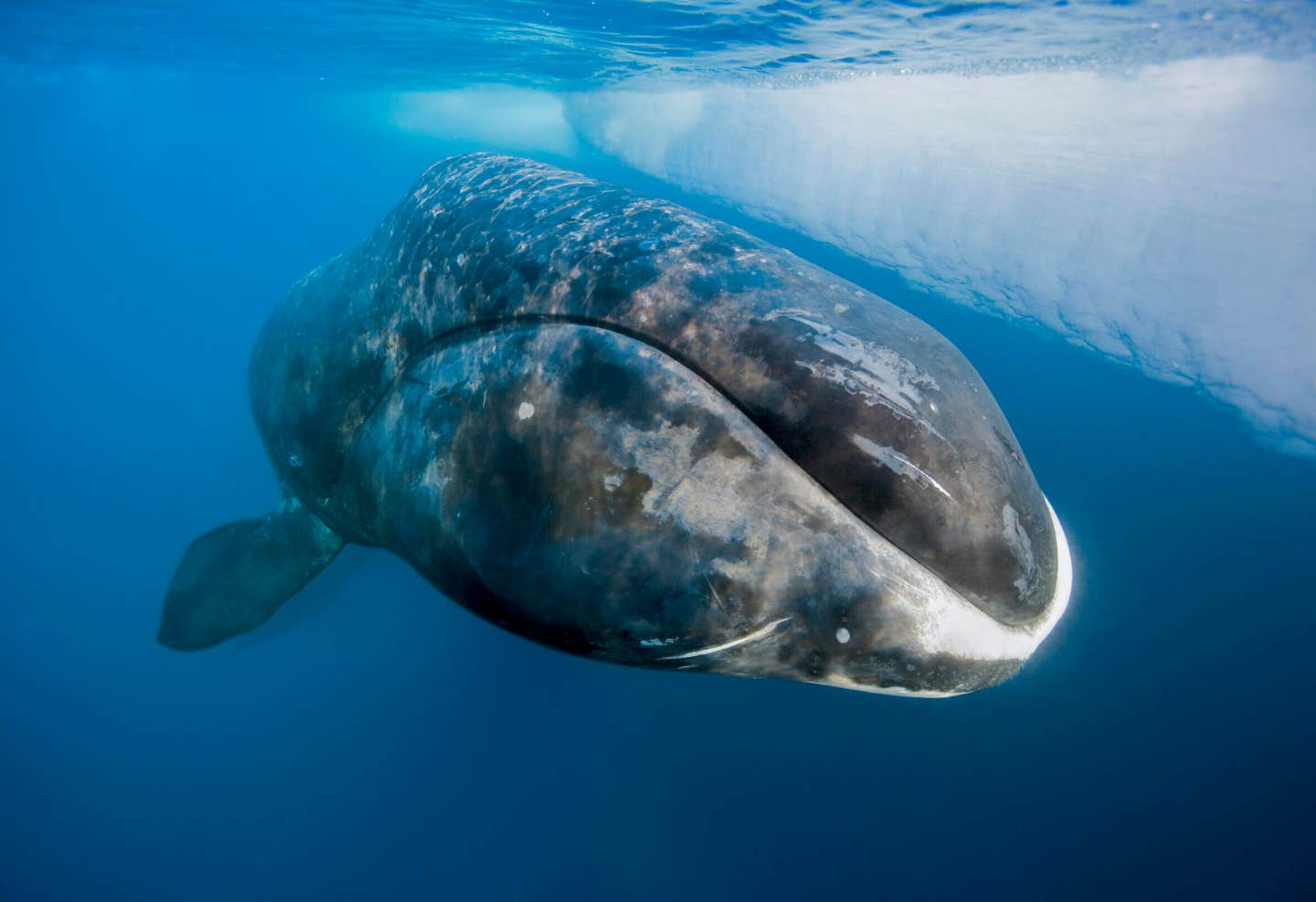
Top Summary
- What happened: Scientists are researching unique proteins found in whales to understand their longevity and disease resistance, particularly cancer.
- Why it matters: Whales' resistance to cancer (Peto's Paradox) and long lifespans offer clues to slowing human aging and improving health.
- What changes for people: The research could potentially lead to therapies that enhance DNA repair, reduce cancer risk, and extend healthy human lifespans.
- Who is affected: This research affects the scientific community and potentially all humans seeking longer, healthier lives.
The Quest for Longevity: Inspired by Whales
For centuries, humans have strived to extend their lives. Now, researchers are looking at whales, specifically their unique proteins, for clues.
Whales possess remarkable longevity and disease resistance. Scientists believe special “whale proteins” may hold secrets to healthier, longer human lives.
Why Whales? The Secret to Long Life
Whales are among the longest-living creatures. The bowhead whale can live over 200 years.
Whales rarely develop cancer despite their size and lifespan. This is a phenomenon known as Peto's Paradox. Animals with more cells should have higher cancer rates, but whales avoid this.
'Whale Protein': DNA Repair and Cell Protection
Whale genomes reveal proteins involved in DNA repair and cell protection that function differently compared to humans.
These specialized proteins improve the body’s ability to repair damaged DNA. They also help control inflammation, and are abundant in whales.
Scientists believe enhanced cellular maintenance is key to whales’ longevity.
Extending Human Lifespan: Possibilities and Realities
Laboratory studies suggest mimicking whale proteins in human cells could boost natural repair systems.
This might slow biological aging, reduce cancer risk, and extend healthy lifespan.
Experts say longevity depends on many factors. These include genetics, metabolism, lifestyle, and environmental influences.
Replicating Protective Mechanisms
Whale research is helping scientists understand aging at the molecular level.
If researchers can replicate the protective mechanisms found in whales, it might lead to new therapies that improve and repair DNA, slow cellular aging, and reduce age-related ailments.
What to Watch Next
Future research will focus on isolating and replicating the specific whale proteins responsible for DNA repair and cellular protection. Clinical trials will be necessary to determine the safety and efficacy of these proteins in humans.