
Wall Street Futures Slip As Iran Tensions Push Oil Prices Higher
US stock futures edged lower early Monday as investors closely monitored escalating tensions between the United States and Iran after President Donald Trump rejected Tehran’s...
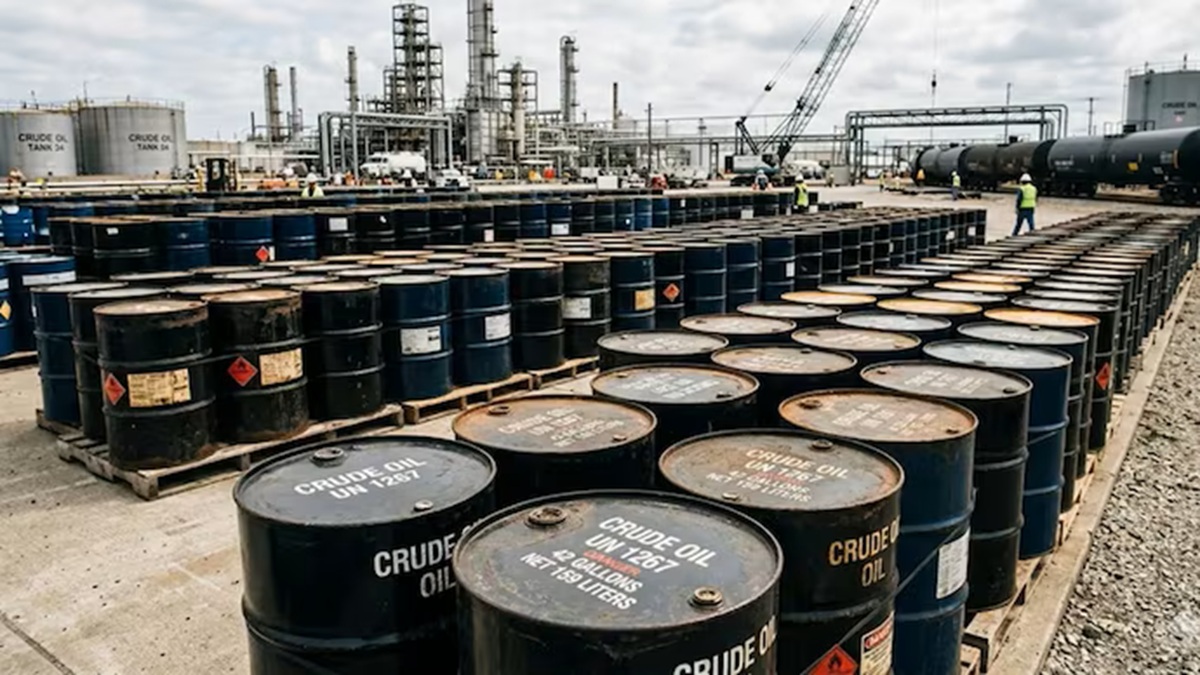
US stock futures edged lower early Monday as investors closely monitored escalating tensions between the United States and Iran after President Donald Trump rejected Tehran’s latest proposal aimed at ending the ongoing conflict.
The geopolitical uncertainty pushed global oil prices sharply higher and injected fresh volatility into international markets.
Top Summary
- What happened: US stock futures fell while oil prices surged after Trump rejected Iran’s latest ceasefire proposal.
- Why it matters now: Investors fear prolonged Middle East tensions could trigger inflation and disrupt global markets.
- What changes for people: Rising oil prices may impact fuel costs, inflation and investor sentiment worldwide.
- Who is affected: Global stock markets, oil markets, investors and consumers.
Futures linked to the:
- Dow Jones Industrial Average
- S&P 500
- Nasdaq-100
all traded lower during early market activity.
The decline followed a strong week on Wall Street in which:
- The S&P 500 gained over 2%
- Nasdaq Composite jumped more than 4%
- Both indices recorded six consecutive winning weeks for the first time since 2024
Trump Rejects Iran Proposal
According to reports, Iran had submitted a new proposal focused on:
- Ending the conflict
- Lifting sanctions
- De-escalating military tensions
However, Trump publicly rejected the proposal on Truth Social, calling the Iranian response “TOTALLY UNACCEPTABLE.”
The statement intensified investor concerns that diplomatic efforts could collapse and prolong instability in the region.
Oil Prices Jump Sharply
The renewed uncertainty immediately boosted crude oil prices.
Reports stated:
- West Texas Intermediate crude oil rose nearly 4% to around $99 per barrel
- Brent crude oil climbed above $104 per barrel
The surge reflects growing fears of supply disruptions linked to the Strait of Hormuz, one of the world’s most important energy corridors.
Markets Remain Surprisingly Resilient
Despite geopolitical tensions, some analysts believe the broader US economy could remain relatively stable.
BlackRock executive Rick Rieder reportedly said the economy may slow because of higher oil prices but argued that stronger structural economic factors could prevent a major downturn.
Investors are now focusing heavily on upcoming US inflation data, including:
- Consumer Price Index (CPI)
- Producer Price Index (PPI)
These reports could reveal whether rising energy prices are beginning to accelerate inflation pressures.
Asian Markets Mixed
Markets across Asia-Pacific reacted cautiously to the geopolitical developments.
KOSPI surged to fresh highs, led by gains in semiconductor giant:
Meanwhile:
- Nikkei 225 traded mostly flat
- Hang Seng Index slipped lower
- CSI 300 posted modest gains
Investors were also assessing stronger-than-expected inflation data from China linked partly to higher commodity prices.
Key Earnings And Inflation Week Ahead
Wall Street will also monitor corporate earnings from companies including:
Analysts say market direction this week could depend heavily on:
- Inflation data
- Oil price movement
- US-Iran diplomatic developments
- Federal Reserve policy expectations
Bottom line
Global markets are entering the new week under pressure as renewed US-Iran tensions lift oil prices and revive inflation fears. While investors remain cautiously optimistic after recent stock market gains, the geopolitical situation is now becoming a major driver of market sentiment worldwide.
What to watch next
- Further US-Iran diplomatic negotiations
- Movement in crude oil prices above $100
- US inflation data releases this week
- Federal Reserve interest rate expectations
- Global stock market reaction to Middle East tensions