
U.S. Trims Tariffs on Bangladesh to 19% Under New Trade Deal
Bangladesh has secured a major tariff win with the United States, as Washington agreed to reduce duties on select Bangladeshi textile and apparel exports to...
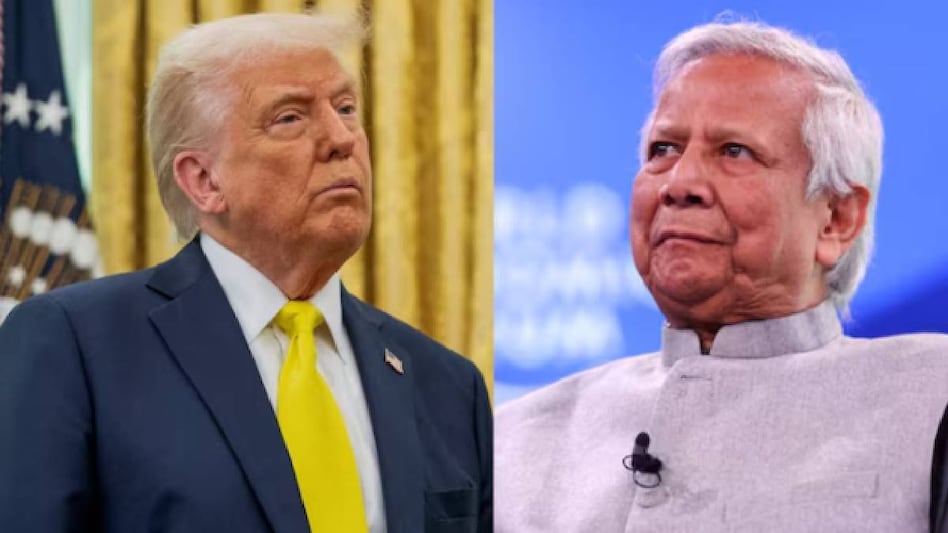
Bangladesh has secured a major tariff win with the United States, as Washington agreed to reduce duties on select Bangladeshi textile and apparel exports to 19%. The concession applies to garments manufactured using U.S.-sourced cotton and synthetic fibres, marking a significant shift in bilateral trade ties.
Interim government chief Muhammad Yunus confirmed the development on Monday, noting that the agreement could unlock new export potential for the country’s ready-made garment (RMG) sector — the backbone of Bangladesh’s economy.
Top Summary
What happened: The U.S. has reduced tariffs on select Bangladeshi garments to 19%, granting duty exemptions for items made from U.S.-origin cotton and synthetics.
Why it matters now: Bangladesh’s RMG sector, which accounts for over 80% of export earnings, gains preferential access to the world’s largest consumer market.
What changes for people: Manufacturers using U.S. materials get zero reciprocal duty and lower U.S. import taxes — potentially boosting jobs and orders.
Who is affected: Bangladeshi garment exporters, U.S. textile suppliers, apparel brands sourcing from Bangladesh, and the Commerce Ministry led by Mahbubur Rahman.
The tariff cut is being hailed as a strategic win, especially at a time when Bangladesh is seeking competitive advantages in its post-LDC (Least Developed Country) transition phase.
What Bangladesh secured
Commerce Secretary Mahbubur Rahman explained that:
Garments made using U.S. cotton and synthetics would enjoy zero reciprocal duty
The overall tariff rate on qualifying items is reduced to 19%
The deal strengthens backward linkage with U.S. raw-material suppliers
This arrangement creates a mutually beneficial supply chain loop — the U.S. exports fibre, Bangladesh exports finished goods.
Why the deal matters for the RMG sector
The ready-made garment industry stands to benefit through:
Expanded access to the U.S. market
Lower landed costs for U.S. buyers
Improved competitiveness against Vietnam, Mexico and China
Incentives for Bangladeshi factories to source higher-quality U.S. fibres
Industry analysts say the move could “significantly boost premium apparel exports.”
Strategic importance for the U.S.
The U.S. gains:
Greater influence in South Asia’s textile supply chains
Incentives for Bangladesh to shift sourcing away from Chinese raw materials
New opportunities for American cotton and polyester exporters
The deal aligns with Washington’s broader push for resilient, non-China-dependent supply chains.
Economic impact within Bangladesh
The tariff reduction is expected to:
Increase factory utilisation
Support employment in Dhaka, Gazipur, Narayanganj and Chittagong
Encourage new investments in fibre-to-fashion integration
Aid Bangladesh during its LDC graduation adjustment period
Exporters say orders from U.S. buyers could rise “within the next two quarters.”