
U.S. Senator says India sought tariff relief over Russian oil, as Trump warns of tougher trade action
India’s energy ties with Russia have moved to the center of a high-stakes political confrontation in Washington after U.S. Senator Lindsey Graham said that Indian...
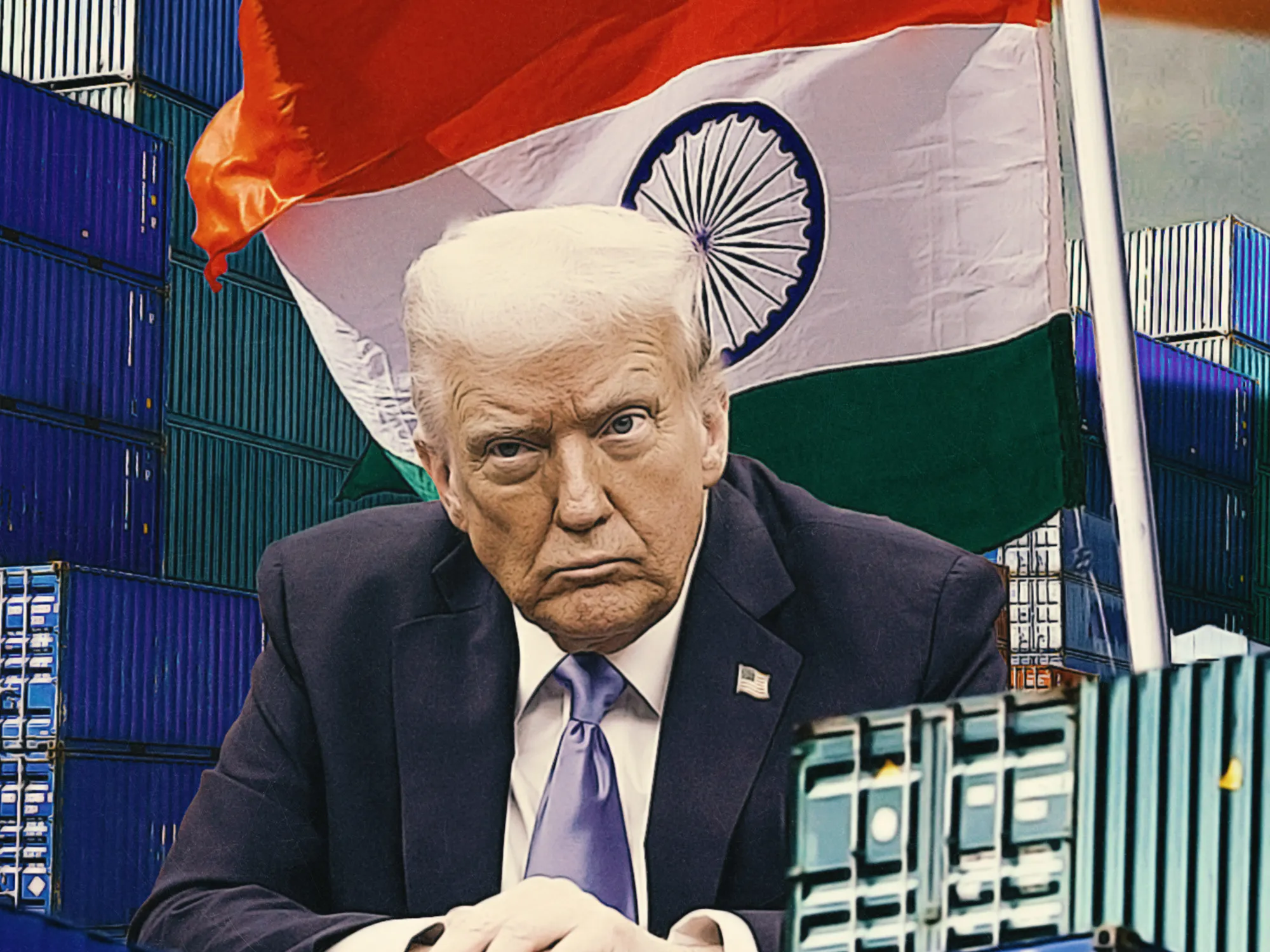
India’s energy ties with Russia have moved to the center of a high-stakes political confrontation in Washington after U.S. Senator Lindsey Graham said that Indian Ambassador to the United States Vinay Kwatra asked him to convey a request to President Donald Trump to ease tariffs imposed on India over its purchase of Russian crude.
The allegation, made publicly with the U.S. President at his side, underscores how oil, sanctions, and trade policy are now tightly intertwined in the India–U.S. relationship.
What Graham claimed
Speaking to reporters aboard Air Force One on January 5, 2026, Lindsey Graham said his conversation with Vinay Kwatra took place at India House in Washington in December 2025.
According to Graham, the Indian envoy focused on one message. India was buying less Russian oil and wanted U.S. tariffs eased. He said Kwatra asked him to tell the President to “relieve the tariff.”
Graham is backing proposed U.S. legislation that would allow tariffs of up to 500 percent on countries that continue importing Russian energy, a measure aimed at cutting off funding to President Vladimir Putin’s war effort.
“This stuff works,” Graham said, arguing that countries purchasing discounted Russian crude are “keeping Putin’s war machine going.”
There was no immediate response from Ambassador Kwatra or Indian officials to Graham’s public account. The envoy had earlier posted on social media about hosting several U.S. senators at India House, calling the discussions “fruitful.”
Trump’s warning to New Delhi
Standing alongside Graham, President Donald Trump said Prime Minister Narendra Modi was aware of his displeasure with India’s Russian oil imports.
Trump stated that India had reduced purchases to “make me happy” and warned that the United States could raise tariffs “very quickly,” which would be “very bad” for India.
The U.S. has already imposed a 50 percent tariff on India, among the highest rates globally, which includes a 25 percent penalty tied specifically to Russian oil purchases.
Why this matters now
This exchange signals a sharpening phase in India–U.S. economic diplomacy.
-
Trade impact: Tariff escalation threatens exports, manufacturing supply chains, and investor confidence at a time when both economies are closely integrated.
-
Energy security vs. geopolitics: India imports about 88 percent of its crude oil and became Russia’s largest buyer of discounted oil after Western sanctions following the February 2022 Ukraine invasion.
-
Foreign policy pressure: Washington is openly using trade tools to influence partners’ energy choices, setting up difficult decisions for countries balancing affordability with alliance politics.
India’s position on Russian oil
New Delhi has consistently defended its purchases as a matter of national interest. India has said its oil imports are aimed at ensuring “predictable and affordable energy” for consumers.
In an official statement last year, the government argued that such imports are “a necessity compelled by the global market situation.” It also pointed out that several countries criticizing India continue to trade with Russia themselves.
India further warned that “targeting India is unjustified and unreasonable” and that it would take all necessary measures to safeguard national interests and economic security.
What changes for people and businesses
If tariffs rise further:
-
Exporters could face higher costs and reduced competitiveness in the U.S. market.
-
Consumers may feel indirect effects through prices if energy and trade costs increase.
-
Investors will watch for signs of prolonged friction that could reshape supply chains and strategic partnerships.
Multiple perspectives
-
U.S. lawmakers: Graham and others argue that financial pressure on Russia’s oil customers is essential to weaken Moscow’s ability to sustain the war in Ukraine.
-
Indian officials: Emphasize energy affordability and fairness, maintaining that economic realities cannot be ignored.
-
Trade analysts: Note that punitive tariffs risk triggering retaliation and could complicate broader cooperation on defense, technology, and climate goals.
What to watch next
-
Whether New Delhi formally responds to Graham’s claim about the tariff request.
-
Any new U.S. legislative moves targeting Russian oil buyers.
-
Signals from upcoming India–U.S. trade talks on whether tariffs will be eased, tightened, or renegotiated.