
U.S. Government Shutdown Continues as Senate Deadlock Persists
On October 3, 2025, hopes for a rapid end to the U.S. government shutdown faded as Democrats refused to support a Republican bill to reopen the...
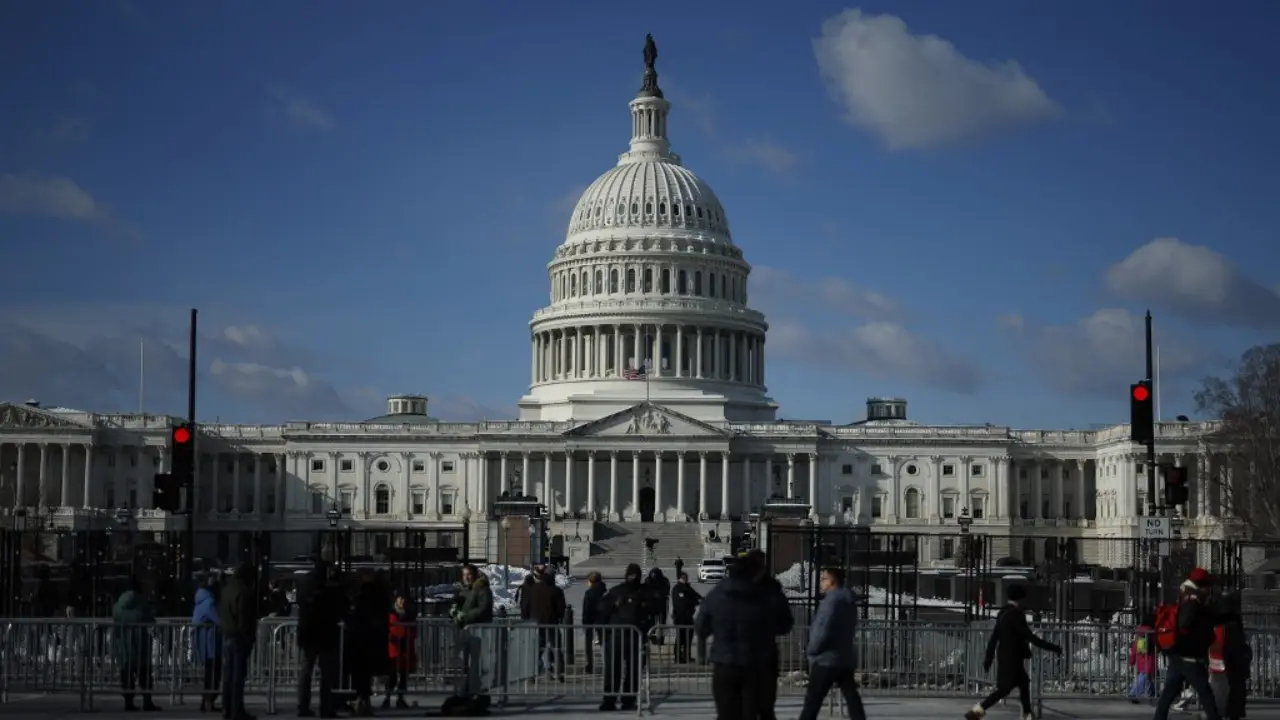
On October 3, 2025, hopes for a rapid end to the U.S. government shutdown faded as Democrats refused to support a Republican bill to reopen the government, and President Donald Trump prepared for broad federal layoffs and spending cuts.
Senate Vote Stalls
-
A Senate vote on the Republican bill to temporarily reopen the government failed to reach the 60 votes needed to overcome a filibuster.
-
Senators were expected to leave for the weekend, with no major progress toward resolving the standoff.
-
Senate Majority Leader John Thune said Democrats would have the weekend to reconsider their position.
Democratic Demands
-
Democrats are insisting on extending healthcare benefits, particularly Affordable Care Act (ACA) tax credits enhanced during the COVID-19 pandemic.
-
House Democratic Leader Hakeem Jeffries warned that over 20 million Americans could face sharply higher health premiums, co-pays, and deductibles due to the funding lapse.
-
Democrats’ strategy effectively risks prolonging the shutdown to gain policy concessions, particularly on healthcare.
Republican Strategy
-
President Trump described the shutdown as an “unprecedented opportunity” to implement broad cuts to federal agencies and potentially lay off federal workers, beyond standard furlough measures.
-
White House Budget Director Russ Vought has begun withholding funds, including $2.1 billion for Chicago infrastructure projects, in states with Democratic senators.
Implications
-
The shutdown marks a rare moment where Democrats’ 47 Senate seats give them leverage despite Republican control of the White House and both chambers of Congress.
-
The standoff creates immediate financial and operational strain for federal employees and citizens relying on government services, while political tensions escalate in the lead-up to future elections.