
U.S. Chamber of Commerce Challenges $100,000 H-1B Visa Fee in Court
The U.S. Chamber of Commerce has launched a legal challenge against the Trump administration’s newly imposed $100,000 fee on fresh H-1B visa applications, arguing that...
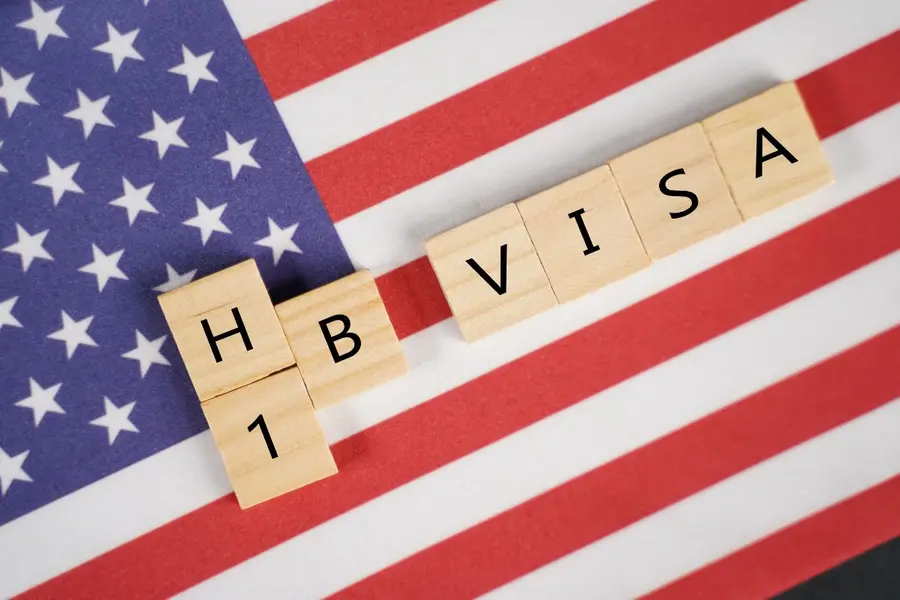
The U.S. Chamber of Commerce has launched a legal challenge against the Trump administration’s newly imposed $100,000 fee on fresh H-1B visa applications, arguing that the levy exceeds statutory authority and contravenes the Immigration and Nationality Act (INA).
In a statement, the Chamber said the fee “overrides existing provisions of U.S. law governing the H-1B program, including the requirement that fees be based on government processing costs.” The suit was filed on October 16, seeking judicial intervention to block the fee’s implementation.
Fee Aimed at Limiting Foreign Labor?
The Trump administration introduced the hefty levy to discourage companies from replacing American workers with lower-cost foreign labor, a move officials say will prioritize domestic employment. Critics, however, argue that the fee is prohibitively expensive for employers, especially startups and small-to-medium-sized enterprises, and undermines the original purpose of the H-1B program—bringing in highly skilled talent where local expertise is scarce.
Neil Bradley, Executive Vice President and Chief Policy Officer at the U.S. Chamber of Commerce, said, “The $100,000 visa fee will make it cost-prohibitive for U.S. businesses to access global talent. Congress designed the H-1B program to enable companies of all sizes to grow and compete internationally, and this fee frustrates that intent.”
Temporary Measure, Potentially Extended
The administration framed the fee as a one-year measure, though it retains the authority to extend it beyond the initial period. Legal experts suggest the challenge could delay or halt the fee’s collection while courts examine whether it violates the INA’s provisions on fee-setting and program eligibility.