
U.S. Air Travel Chaos Deepens as FAA Orders Flight Cuts Amid Worsening Government Shutdown
1,330 Flights Cancelled as FAA Expands Mandatory Cuts Air travel across the United States continued to unravel on Saturday, November 8, as the Federal Aviation...
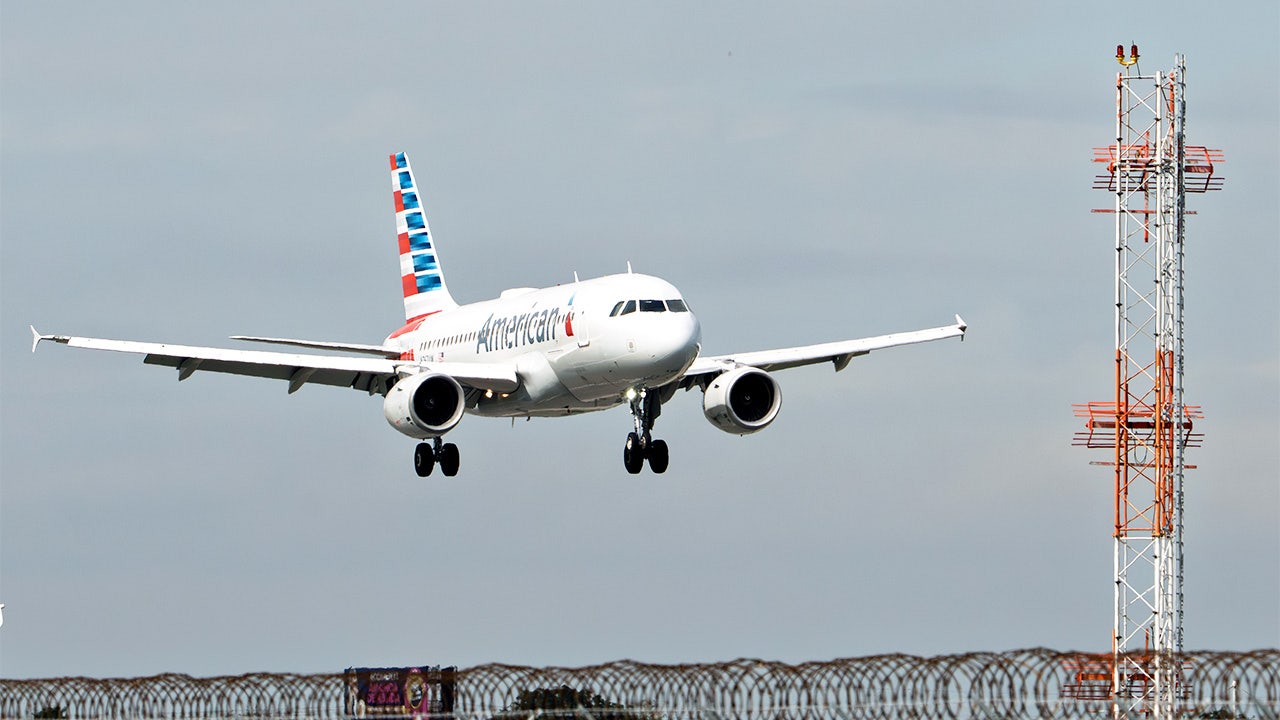
1,330 Flights Cancelled as FAA Expands Mandatory Cuts
Air travel across the United States continued to unravel on Saturday, November 8, as the Federal Aviation Administration (FAA) ordered further reductions in flight operations amid critical air traffic control staffing shortages triggered by the prolonged government shutdown.
Airlines cancelled 1,330 flights and delayed thousands more after the FAA mandated a 4% daily flight cut at 40 major airports beginning Friday. The reduction, officials warned, will escalate to 6% by November 11 and 10% by November 14 if staffing shortages persist.
The disruptions have brought chaos to key air hubs including Atlanta, Newark, San Francisco, Chicago, and New York, stranding tens of thousands of passengers and snarling domestic and international travel.
FAA Cites “Safety Risks” as Controllers Work Without Pay
The FAA said that 25 airports and air traffic control centers are facing critical staffing shortages, forcing the agency to impose ground delay programs at multiple airports.
At Atlanta’s Hartsfield–Jackson International Airport, one of the world’s busiest, average delays reached nearly 5.5 hours (337 minutes) on Saturday.
Overall, more than 5,450 flights were delayed nationwide on Saturday, following 7,000 delays and over 1,000 cancellations the previous day.
FAA Administrator Bryan Bedford acknowledged that between 20% and 40% of controllers have failed to report for duty over the past several days, citing burnout and financial stress.
“Controllers are exhausted. Many are working double shifts without pay,” an FAA official said on condition of anonymity.
Shutdown Fallout: 63,000 Aviation Workers Unpaid
The crisis stems from the record 39-day federal government shutdown, which has left 13,000 air traffic controllers and 50,000 security screeners working without pay. Many received notifications this week that they will miss a second consecutive paycheck.
The Transportation Secretary, Sean Duffy, said the government may soon impose up to 20% airspace cuts if more staff fail to report to work.
“We are assessing flight density, safety reports, and absentee levels daily,” Duffy told reporters. “If we see degradation in safety metrics, deeper cuts will follow.”
Safety Concerns Mount
During a Senate session on Friday, Senator Ted Cruz (R–Texas), who chairs the Senate Commerce Committee, said that pilots have filed over 500 voluntary safety reports citing errors by fatigued air traffic controllers.
“This isn’t just about delays — it’s a growing safety concern,” Cruz said.
Aviation unions have also raised alarms. The National Air Traffic Controllers Association (NATCA) warned that fatigue and stress are creating conditions similar to those seen during the 2019 shutdown, when near-miss incidents spiked.
Political Blame Game Escalates
The Trump administration has used the aviation crisis to pressure Senate Democrats into approving a “clean” government funding bill, free of policy concessions.
Republicans argue that Democrats are holding the nation’s infrastructure “hostage” over disagreements on healthcare subsidy extensions under the Affordable Care Act.
Democrats, however, accuse the GOP of engineering the shutdown by refusing to negotiate. Senate Majority Leader Chuck Schumer reiterated that the crisis could end “within hours” if Republicans agreed to maintain health insurance subsidies set to expire later this year.
“This isn’t a political game — people are missing paychecks, flights are grounded, and safety is at risk,” Schumer said in a floor speech on Saturday.
Travel Chaos Ripples Across the Country
Airports from Los Angeles to Boston reported overcrowding, stranded passengers, and long lines at security checkpoints due to staff shortages.
American Airlines, Delta, Southwest, and United — the four largest U.S. carriers — collectively cancelled around 700 flights each day since Friday, according to FlightAware.
Industry experts warn that if the shutdown continues into mid-November, the economic toll could reach billions of dollars, with cascading effects on tourism, cargo logistics, and business travel.
“The aviation system runs on precision,” said Richard Aboulafia, a U.S. aerospace analyst. “Once you disrupt the human element — controllers, technicians, inspectors — recovery becomes exponentially harder.”