
UK Banknotes to Feature Native Wildlife: Hedgehog vs. Fox?
British currency is set for a wild makeover with native animals replacing historical figures.
Top Summary
- What happened: The Bank of England will redesign £5, £10, £20, and £50 notes to feature British wildlife. A public vote will decide which animals are chosen.
- Why it matters: This is a move to deter counterfeiters and spark conversations about wildlife conservation.
- What changes for people: New banknotes will showcase native animals instead of historical figures, promoting awareness of UK's biodiversity.
- Who is affected: The British public, wildlife enthusiasts, and conservation organizations are all stakeholders in this decision.
Wildlife Takes Center Stage on New Banknotes
The Bank of England has announced that the next series of £5, £10, £20, and £50 banknotes will showcase native British wildlife. This marks a significant shift from featuring historical figures like Winston Churchill and Jane Austen.
The decision follows public consultations indicating a preference for wildlife imagery. Regularly updating banknote designs is a key measure to combat counterfeiting.
The Selection Process
A panel of experts, including wildlife broadcasters and academics, will create a shortlist of animal candidates. The public will then vote on their favorites later this summer.
Early frontrunners include popular garden animals like hedgehogs and robins, as well as predators like the barn owl. In Scotland, Royal Bank of Scotland notes already feature animals such as mackerel, otters, red squirrels, and osprey.
Contenders and Campaigns
Tony Juniper, chair of Natural England, suggests featuring extinct species that have been successfully reintroduced, like the white-tailed eagle, large blue butterfly, and lady’s slipper orchid.
The RSPCA advocates for representing often-overlooked wildlife, such as feral pigeons, foxes, herring gulls, and brown rats.
The Guardian's Wildlife Wishlist
The Guardian has assembled its own expert panel to propose wildlife candidates for the banknotes.
Chris Packham nominated the red fox (£5), praising its resilience and adaptability:
“The red fox remains a divisive animal… Putting animals on banknotes needs to promote conversations and get us thinking about the way we value and treat wildlife.”
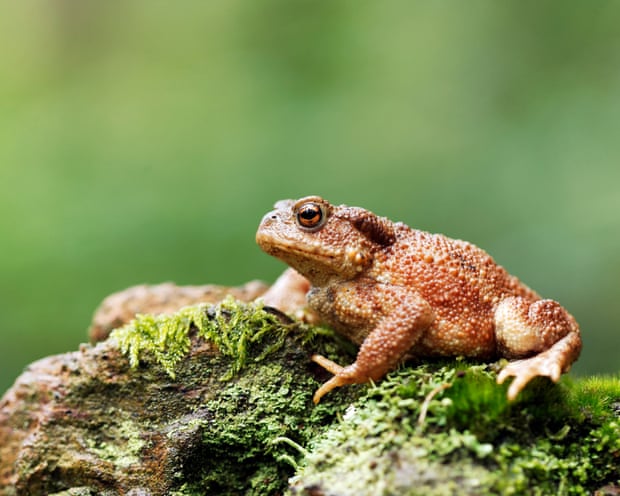
Lucy Lapwing championed the common toad (£10), highlighting its unique beauty and ecological importance:
“Currency all over the world tends to feature the toad-like faces of male politicians so why not have the real thing?”
Isabella Tree suggested the beaver (£20), emphasizing its role as a keystone species in restoring biodiversity:
“It’s thrilling to have these native creatures back and they’d be a hugely popular symbol of nature restoration on our bank notes.”
Hannah Bourne-Taylor nominated the swift (£50), celebrating its aerial mastery and dependence on human structures:
“The swift’s silhouette is instantly recognisable so they lend themselves perfectly to a banknote.”
What to Watch Next
The expert panel will soon release its shortlist of wildlife candidates. The public vote will follow later this summer, determining which animals will grace the new British banknotes.