
Trump’s New Sanctions on Russian Oil Firms Hit Moscow’s Revenues; India, China Scale Back Purchases
The latest round of U.S. sanctions imposed by President Donald Trump on Russia’s two major oil companies — Rosneft and Lukoil — appears to be...
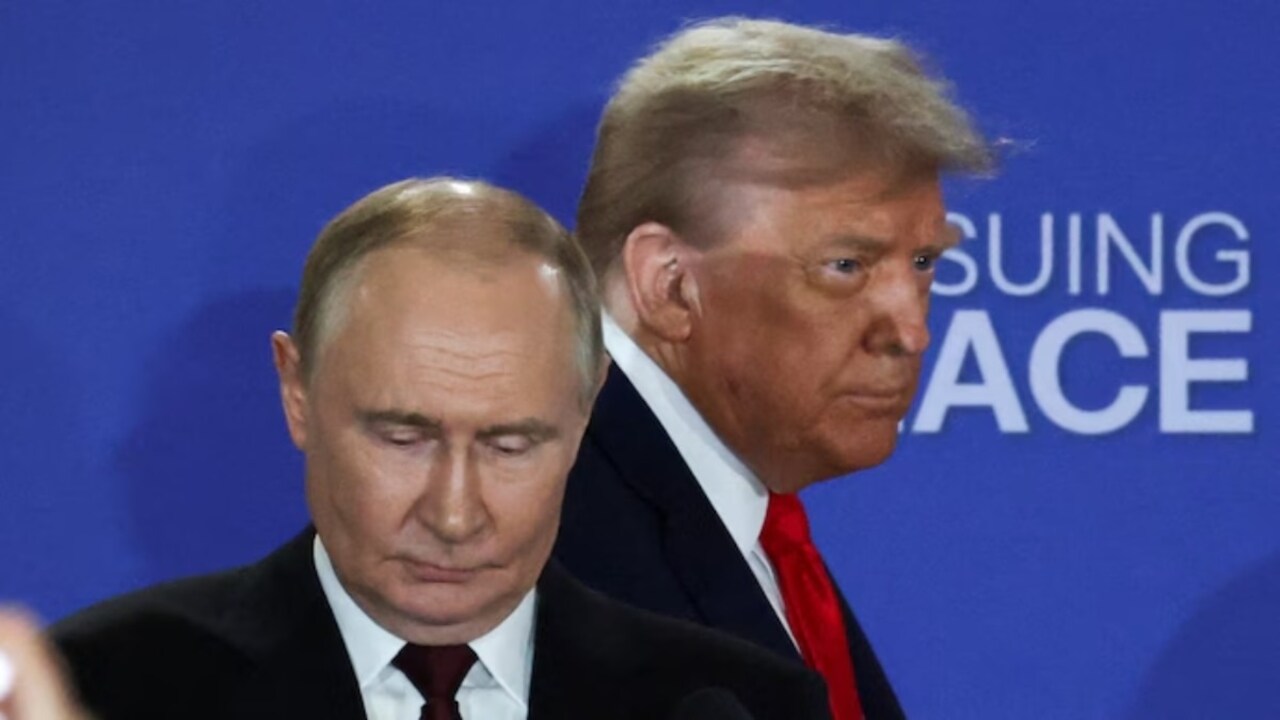
The latest round of U.S. sanctions imposed by President Donald Trump on Russia’s two major oil companies — Rosneft and Lukoil — appears to be having the intended impact. India and China, two of the largest importers of Russian crude, have sharply reduced purchases following the restrictions, Reuters reported.
According to the report, the price gap between Russian Urals crude and Brent in Asia has widened to about $4 per barrel for December deliveries — the largest in nearly a year. While this remains below the $8 per barrel discount seen during the initial Western sanctions of 2022, analysts say the widening gap signals mounting pressure on Moscow’s oil revenues, which are crucial for its fiscal stability.
The U.S. has set November 21 as the deadline for completing outstanding transactions with the sanctioned Russian firms.
India, China Reduce Russian Oil Orders
Several leading Indian refiners — Hindustan Petroleum Corp, Bharat Petroleum Corp, Mangalore Refinery and Petrochemicals Ltd, HPCL-Mittal Energy, and Reliance Industries — have reportedly halted orders for December delivery. These five refiners together account for around 65% of India’s Russian oil imports.
Simultaneously, major Chinese state oil firms have also paused seaborne Russian oil purchases in response to the sanctions. As a result, ESPO Blend crude is now trading at heavier discounts at Chinese ports.
With both India and China scaling back, large volumes of Russian oil risk going unsold, Reuters said. Sources cited in the report described the Asian oil market as increasingly fragmented, with non-sanctioned Russian supplies commanding higher prices, while sanctioned cargoes or vessels must offer steep discounts to find buyers.
Geopolitical Context
The development comes ahead of President Vladimir Putin’s planned visit to India and amid sustained U.S. diplomatic pressure on New Delhi and Beijing to curtail Russian oil imports. Economists warn that if the discounts deepen, Moscow could face a significant hit to its export earnings — a vital source of funding for its war-time economy.