
Trump Threatens Iran Gasfield After Mideast Energy Attacks Spark Oil Price Surge
Trump threatens to destroy Iran's gasfield amid escalating Mideast energy attacks.
Top Summary
- What happened: Israel struck Iran's South Pars gasfield, prompting Iranian retaliation against energy facilities in Qatar and the UAE.
- Why it matters: Attacks on critical energy infrastructure are disrupting global supplies and driving up oil prices, heightening geopolitical tensions.
- What changes for people: Rising oil and gas prices impact consumers worldwide; airlines suspend flights; global stock markets feel the pressure.
- Who is affected: Qatar, Iran, UAE, Israel, Saudi Arabia, global energy markets, airlines, and Palestinian civilians are all directly impacted.
Escalating Conflict: Energy Infrastructure Targeted
Tensions in the Middle East have surged following Israeli strikes on Iran's South Pars gasfield, the world's largest.
Iran retaliated by attacking energy facilities in Qatar and the UAE, leading to widespread disruption and condemnation.
The conflict threatens global energy supplies, sparking economic concerns and market volatility.
Trump's Warning: "Massively Blow Up"
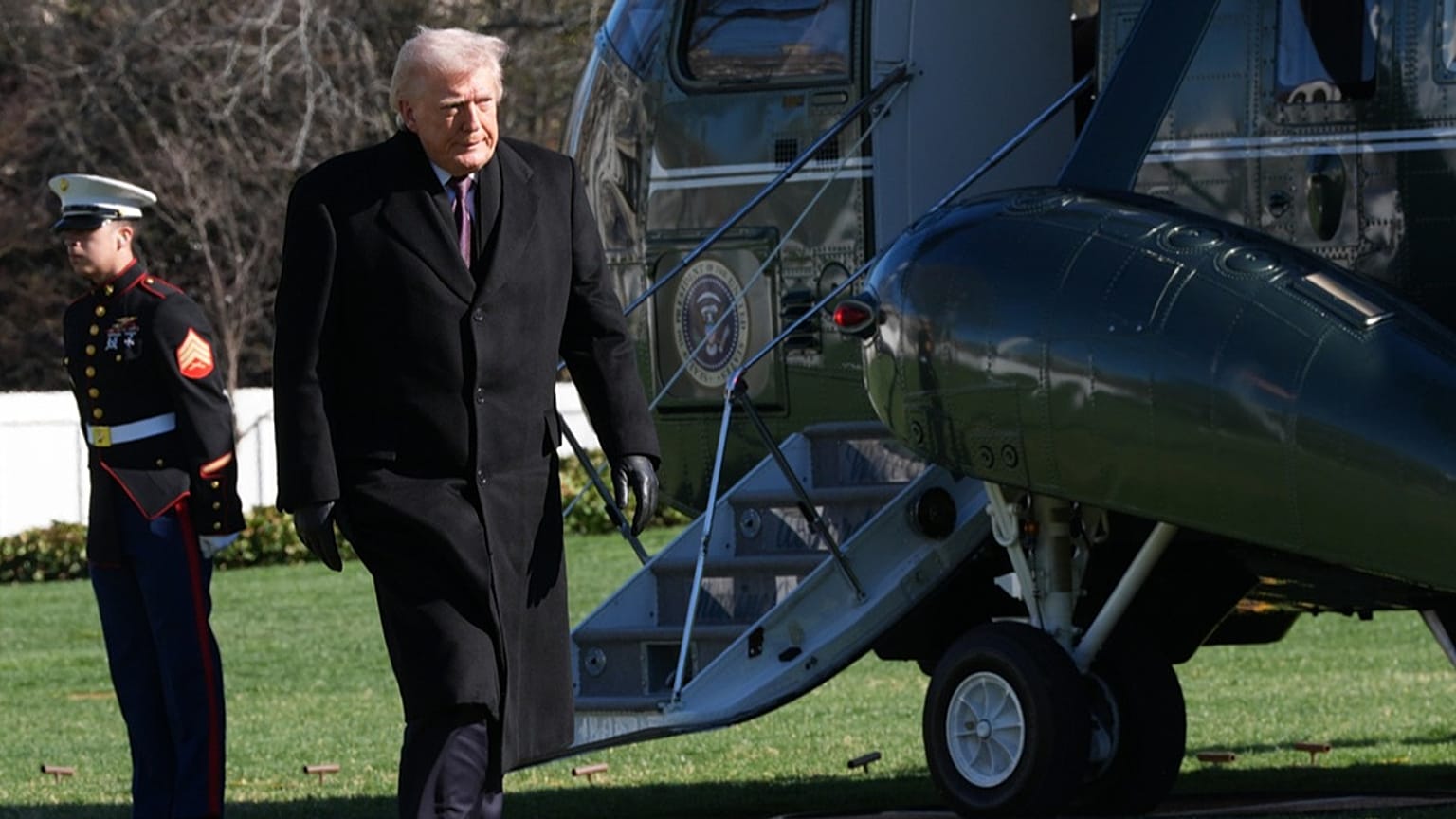
US President Donald Trump threatened to “massively blow up” the South Pars gasfield if Iran retaliates further.
"The United States of America, with or without the help or consent of Israel, will massively blow up the entirety of the South Pars Gas Field at an amount of strength and power that Iran has never seen or witnessed before."
Trump claimed the US “knew nothing” about the initial Israeli attack, contradicting reports citing US officials' awareness.
Global Impact: Oil Prices Soar
The escalating conflict has sent shockwaves through global markets.
Brent crude, the international benchmark for oil, rose 3.9% to $111.51 per barrel.
Asian stock markets, including the Nikkei 225 in Japan, experienced significant declines, falling 2.5%.
Regional Condemnation and Calls for De-escalation
The attacks have drawn strong condemnation from regional players.
Saudi Arabia's foreign minister stated any trust with Tehran had been shattered, reserving the right to take military actions.
Qatar and the UAE have described the Israeli attack as "dangerous" and "irresponsible," urging all sides to avoid targeting energy facilities.
Strait of Hormuz: Key Waterway Disrupted
The Strait of Hormuz, a critical route for about a fifth of the world's oil and gas, remains largely closed.
A vessel near the strait caught fire after being hit by a projectile.
Trump's efforts to establish a multinational naval force to reopen the waterway have so far been unsuccessful.
International Efforts for a Ceasefire
French President Emmanuel Macron has called for a moratorium on strikes targeting civilian infrastructure.
"Civilian populations and their essential needs, as well as the security of energy supplies, must be protected from military escalation."
The European Union has urged Israel to "cease its operations" in Lebanon.
Travel Disruption and Long-Term Concerns
Cathay Pacific, a Hong Kong-based airline, has suspended flights to and from Dubai and Riyadh until the end of April.
Some companies are preparing for at least another month of severe disruption due to the ongoing conflict.
What to Watch Next
The world will be watching for any further retaliatory actions from Iran and whether Trump follows through on his threat to target the South Pars gasfield. Diplomatic efforts to de-escalate the conflict and secure the Strait of Hormuz will be crucial in the coming days and weeks to prevent further economic and security fallout.