
Trump Blasts Netanyahu in Expletive-Laden Call Over Lebanon Strikes, Warns of Isolation
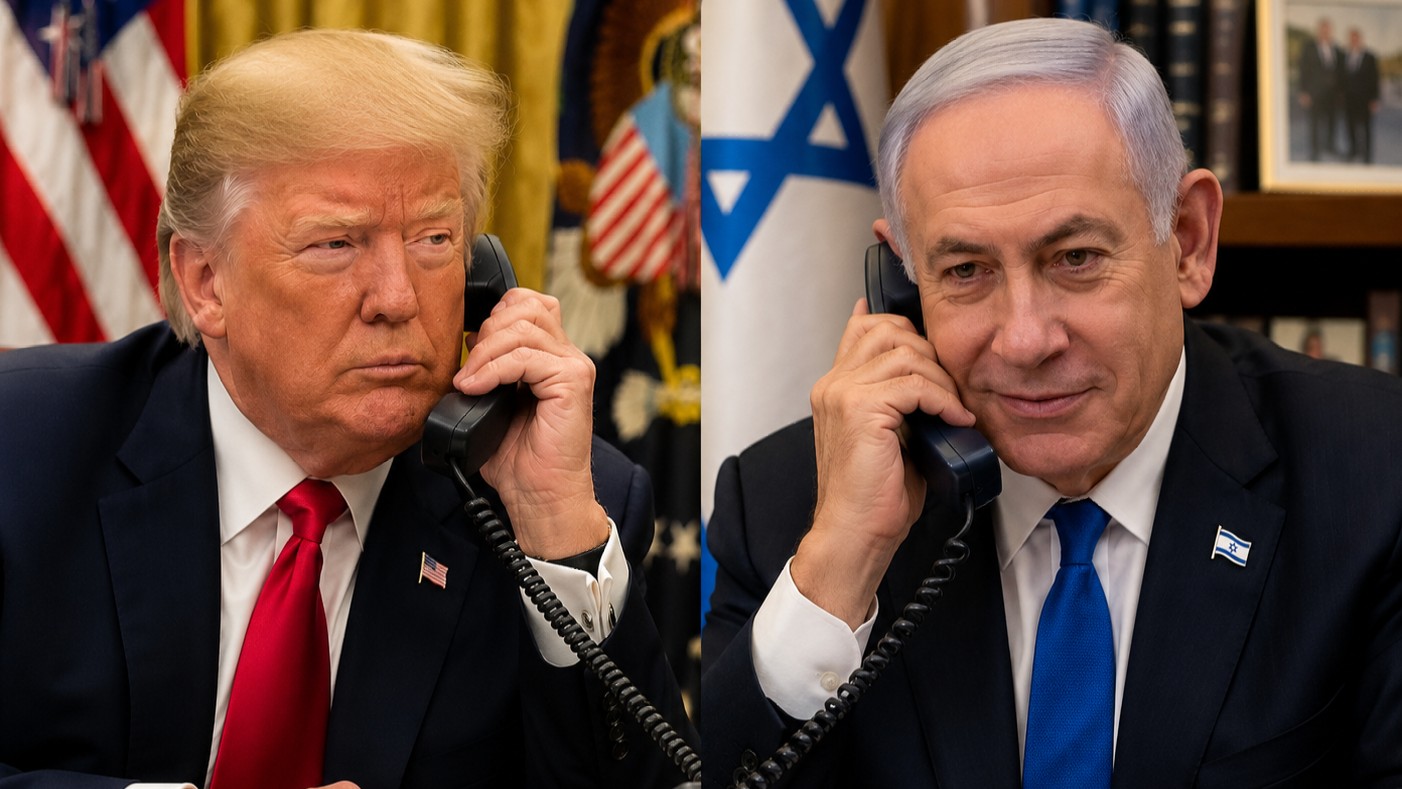
US President Donald Trump reportedly confronted Israeli PM Benjamin Netanyahu over military escalation in Lebanon, warning it jeopardizes critical diplomatic talks with Iran.
Top Summary
- What happened: US President Donald Trump confronted Israeli Prime Minister Benjamin Netanyahu in a tense, profanity-filled phone call over escalated military strikes in Lebanon.
- Why it matters: The heated exchange reveals deep strains between Washington's delicate diplomatic negotiations with Iran and Israel's aggressive military campaign.
- What changes: While Trump claims troops will not advance on Beirut, residents face ongoing uncertainty as Israel continues operations in southern Lebanon.
- Who is affected: Israeli and Lebanese civilians, military forces, and leadership in the United States, Israel, and Iran.
The Heated Telephone Confrontation
US President Donald Trump reportedly exploded in anger during a highly contentious phone call with Israeli Prime Minister Benjamin Netanyahu. Trump accused the Israeli leader of pushing his country into international isolation and risking vital US-Iran diplomatic efforts.
According to reports from Axios, Trump did not hold back his frustration over Israel's expanding military operations against Hezbollah. Multiple US officials confirmed that Trump used harsh, explicit language during the exchange, labeling Netanyahu's actions as 'crazy.'
"You're f*****g crazy. You'd be in prison if it weren't for me. I'm saving your ass. Everybody hates you now. Everybody hates Israel because of this."
Escalation in Lebanon Sparks US Concerns
The diplomatic friction intensified after Netanyahu and Defense Minister Israel Katz ordered heavy airstrikes on Hezbollah targets in Beirut's Dahiyeh district. Israel defended the actions, citing ceasefire violations and ongoing attacks on its territory.
This sudden escalation caused panic in the Lebanese capital, forcing thousands of residents to flee their homes in fear of devastating airstrikes. Meanwhile, Iran warned that these military actions could completely derail its ongoing negotiations with Washington aimed at easing regional tensions.
US officials noted that Trump objected strongly to the high civilian death toll in Lebanon. The US President reportedly expressed deep frustration over Israel executing large-scale airstrikes merely to target individual Hezbollah commanders.
Divergent Statements and Immediate Fallout
The high-stakes phone call appeared to prompt immediate tactical adjustments. An Israeli official revealed that Israel has suspended its plans to strike targets within Beirut, and Trump announced that Israeli troops heading toward the Lebanese capital had been turned back.
Trump expressed optimism on social media, claiming Hezbollah had agreed through intermediaries to halt attacks on Israel.
"I had a very productive call with Prime Minister Bibi Netanyahu... there will be no Troops going to Beirut."
However, Netanyahu quickly signaled that Israel's broader military objectives remain unchanged. In an official statement, he clarified that military operations in southern Lebanon would persist and warned that striking Beirut remains a viable option if attacks continue.
"Our position remains the same."
What to Watch Next
Observers will closely watch whether the temporary halt on Beirut strikes holds amidst continued operations in southern Lebanon. The focus will also remain on the progress of high-stakes US-Iran diplomatic talks, which Trump insists are moving forward at a rapid pace. Future interactions between Trump and Netanyahu will reveal if this confrontation has permanently damaged their close coordination on regional security.