
Trump backs 10 percent cap on credit card interest rates as cost of living stays in focus
What happened: Donald Trump urged a 10 percent cap on credit card interest rates for one year.• Why it matters now: Comes as Americans grapple...
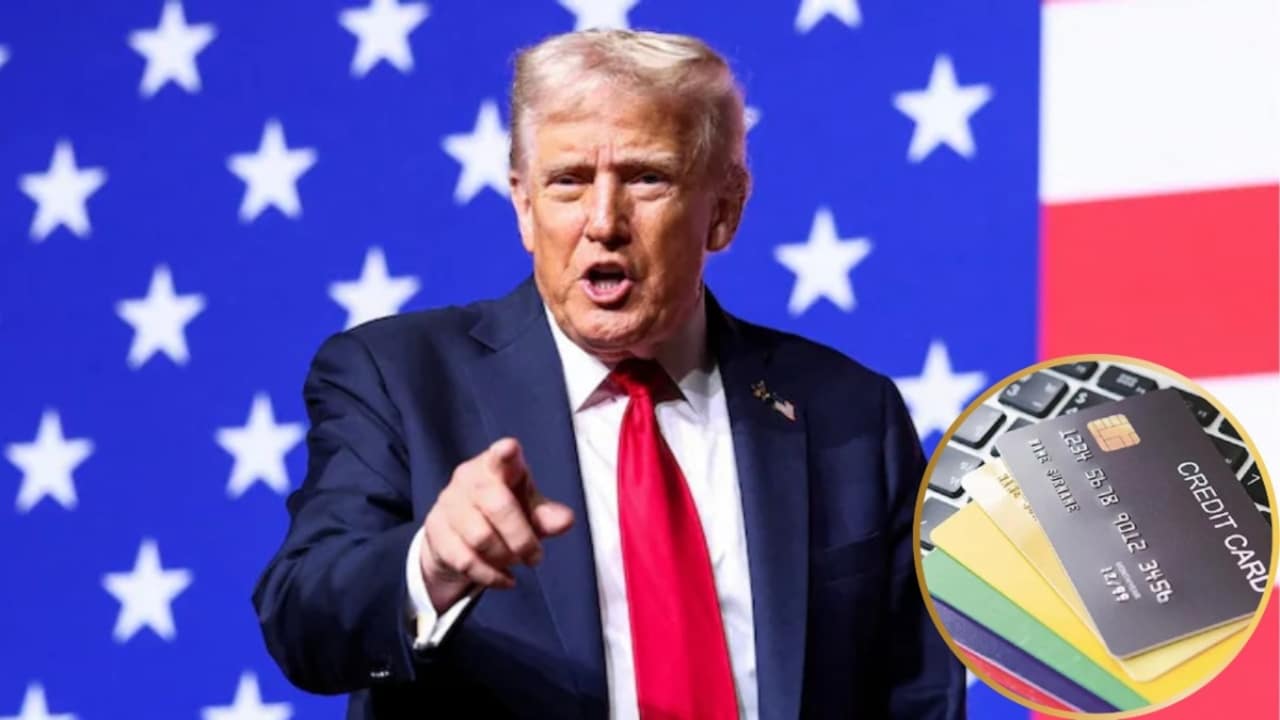
What happened: Donald Trump urged a 10 percent cap on credit card interest rates for one year.
• Why it matters now: Comes as Americans grapple with high borrowing costs and midterm elections approach.
• What changes for people: Could potentially lower interest payments, though regulatory steps remain unclear.
• Who is affected: Cardholders, banks, investors, and regulators across the United States.
Donald Trump has revived a debate around consumer finance after publicly calling for credit card interest rates to be capped at 10 percent for one year, arguing that Americans are being hit with excessively high borrowing costs. The proposal lands amid growing voter frustration over inflation and affordability concerns ahead of the midterm elections later this year.
Trump calls for one-year interest cap
Posting on social media on Friday evening, the US President said consumers should not be, in his words, "ripped off" by companies charging 20 to 30 percent interest. He suggested the cap should begin on January 20, the anniversary of his inauguration, and remain in place for twelve months. The White House did not provide immediate clarity on whether regulatory or legislative action is underway, leaving key enforcement details unresolved.
A costly problem for US households
According to St. Louis Federal Reserve data, US credit card debt is currently around 1.1 trillion dollars with an average interest rate of roughly 20 percent. That makes credit cards one of the most expensive consumer borrowing products, especially for families carrying balances month to month. Economists note that a cap could ease financial pressure but may also trigger changes in lending standards, fees, or approval rates, depending on how banks respond.
Policy debates with unusual alliances
The idea of a 10 percent ceiling is not new in Washington. In February 2024, Senator Bernie Sanders and Senator Josh Hawley introduced bipartisan legislation proposing a similar cap. Their bill has yet to advance, but Trump’s remarks place the topic back on the national agenda. Late on Friday night, investor Bill Ackman criticized Trump’s proposal as "a mistake", signalling pushback from Wall Street.
Banks and industry groups have not formally responded, though analysts expect strong lobbying if the proposal moves toward implementation. Some consumer advocacy organisations argue that high interest rates trap households in debt, while critics warn that caps can distort lending markets.
Business pressure emerges as a governing tool
Trump has increasingly used public statements to apply pressure on major industries. This week he said he wants to ban large investors from buying single-family homes in the United States and pledged to restrict share buybacks and dividends for defence contractors that do not meet government production expectations. He also issued an executive order instructing the defence department to tie contracts to performance and production speed. The approach reflects a broader strategy aimed at corporate behaviour and consumer economics.
What it means going forward
For voters, the conversation touches core concerns around inflation, debt, and household stability. For lenders, a cap could reshape profit models and credit risk assessments. With details still emerging, the proposal remains a political signal rather than a confirmed policy.
What to watch next:
Look for White House clarification, potential regulatory rulemaking, and how banks, Congress, and voters respond as the midterm calendar tightens.