
Total Lunar Eclipse & Blood Moon: Visible Across Asia, Pacific, & America!
A total lunar eclipse, creating a 'blood moon,' will be visible across various regions.
Top Summary
- What happened: A total lunar eclipse will occur, potentially creating a 'blood moon' effect.
- Why it matters: Lunar eclipses are significant astronomical events easily visible to the naked eye.
- What changes for people: Skywatchers can observe a unique celestial phenomenon.
- Who is affected: Observers in eastern Asia, Australia, the Pacific, North and Central America, and western South America.
When and Where to Watch
The total phase of the eclipse begins around 4 AM EST and ends about 7 AM EST. The partial eclipse concludes around 9 AM EST.
The eclipse will be visible in the evening from eastern Asia and Australia. Across the Pacific it will be visible throughout the night. In North and Central America, and far western South America, it can be seen in the early morning hours.
Viewers in central Asia and much of South America will see a partial eclipse. Sadly, the eclipse will not be visible in Africa or Europe.
Understanding Lunar Eclipses
A lunar eclipse happens when Earth passes between the Sun and the Moon. This casts a shadow on the Moon's surface.
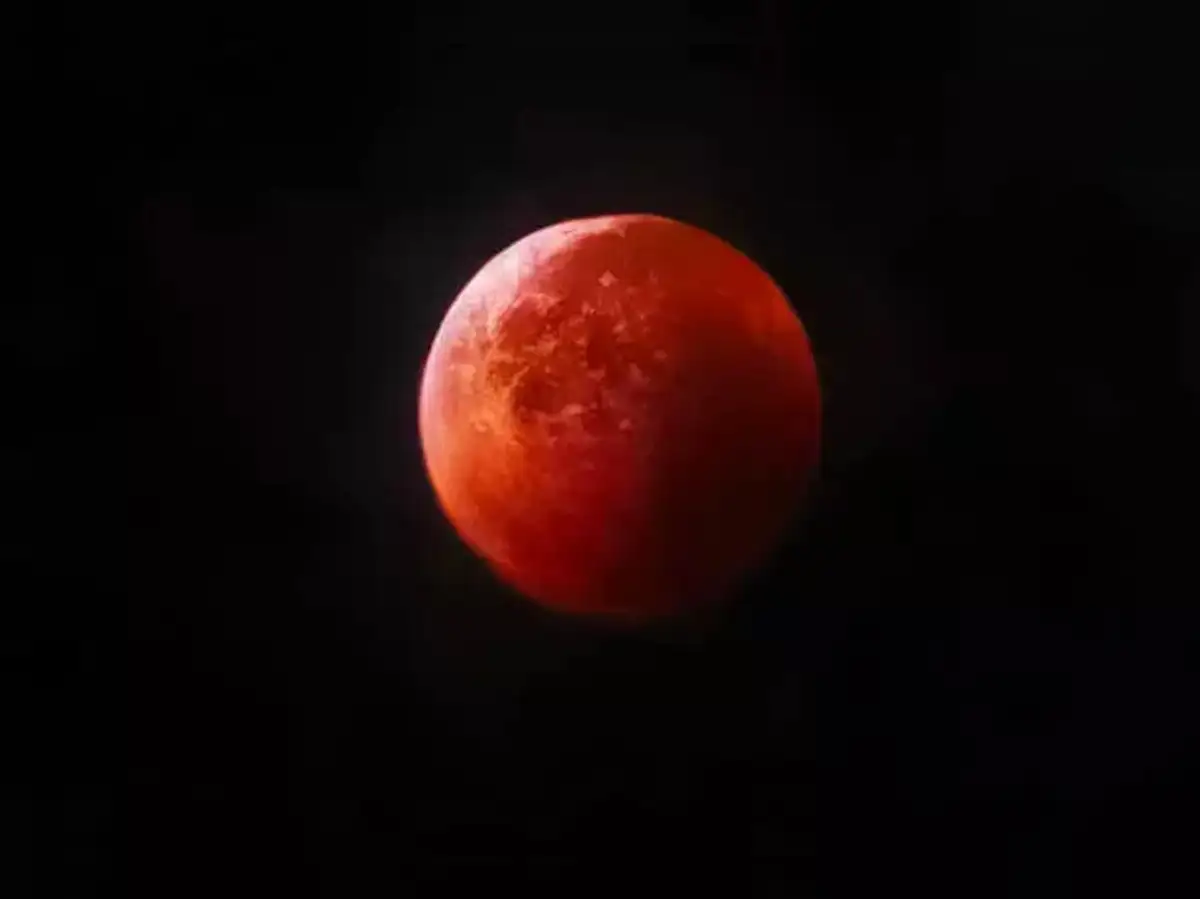
During totality, the Moon can appear dark red or orange. This is known as a 'blood moon'.
During a total lunar eclipse, the Moon appears dark red or orange. This is because our planet blocks most of the Sun’s light from reaching the Moon, and the light that does reach the lunar surface is filtered through a thick slice of Earth’s atmosphere. It’s as if all of the world’s sunrises and sunsets are projected onto the Moon.
How to Observe
The eclipse is visible with the naked eye. Binoculars or a telescope will enhance the viewing experience.
Observers should choose a dark location away from city lights for optimal viewing.
Last September, Qazinform shared images of a rare 'blood moon' eclipse over Astana.
What to Watch Next
Keep an eye out for future lunar events. Space agencies and observatories regularly announce upcoming astronomical events, providing viewing tips and detailed information, so stay tuned for more celestial wonders!