
Tiny Asteroid Whizzes Just 265 Miles Above Antarctica, Scientists Spot It After the Fact
A small asteroid, roughly the size of a giraffe, made a close shave with Earth on September 30, passing over Antarctica at a mere 265...
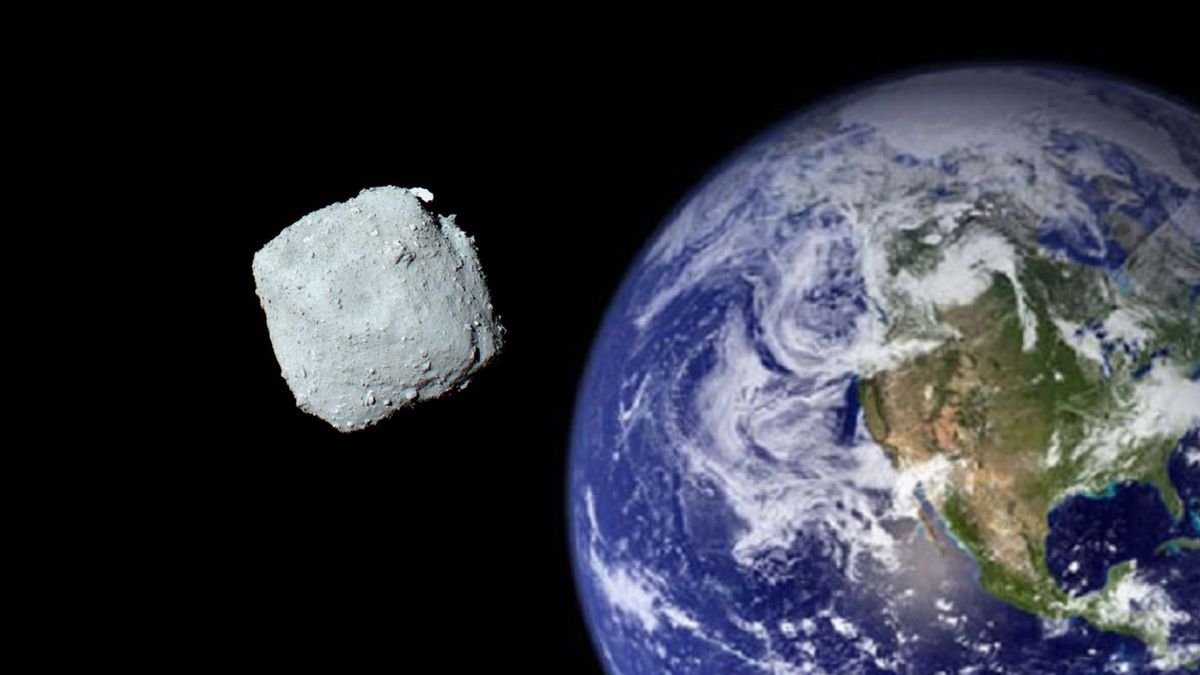
A small asteroid, roughly the size of a giraffe, made a close shave with Earth on September 30, passing over Antarctica at a mere 265 miles (428 kilometres) above the surface. The European Space Agency (ESA) confirmed the flyby occurred at 8:47 p.m. EDT (0047 GMT on October 1), but astronomers only identified the rock hours later.
The asteroid, now designated 2025 TF, measures between 1 and 3 metres in diameter and posed no significant threat to the planet. Scientists note that had it entered the atmosphere, it likely would have burned up, producing a bright streak in the sky.
How It Escaped Detection
Observations from the Catalina Sky Survey, a NASA-funded program tracking near-Earth objects, revealed 2025 TF after the fact. Experts explain that such small asteroids are extremely difficult to spot before they pass.
“Objects under 140 metres in size are not considered potentially hazardous,” ESA scientists said. To be classified as a threat, a space rock must exceed 140 metres (460 feet) in diameter and pass within 4.65 million miles (7.48 million kilometres) of Earth.
Asteroid 2025 TF’s tiny size and faint visibility meant it was essentially invisible until after its close approach.
The Bigger Picture
While 2025 TF caused no harm, the event underscores the challenges of monitoring small near-Earth objects. Tracking even small asteroids is vital, as larger ones can have serious consequences if they strike populated areas. Programs like NASA’s Planetary Defense Coordination Office and the Catalina Sky Survey continue to monitor the skies, aiming to detect potential threats as early as possible.
Despite the near miss, experts emphasize there is no ongoing danger from 2025 TF, and such tiny asteroids are common, often entering Earth’s atmosphere unnoticed and burning up harmlessly.