
The sky this week (January 9 to 16): Jupiter reaches its brightest moment of the year
What happened: Jupiter hits opposition, making it the brightest and biggest it will appear in 2026.• Why it matters now: Opposition offers rare, all-night viewing,...
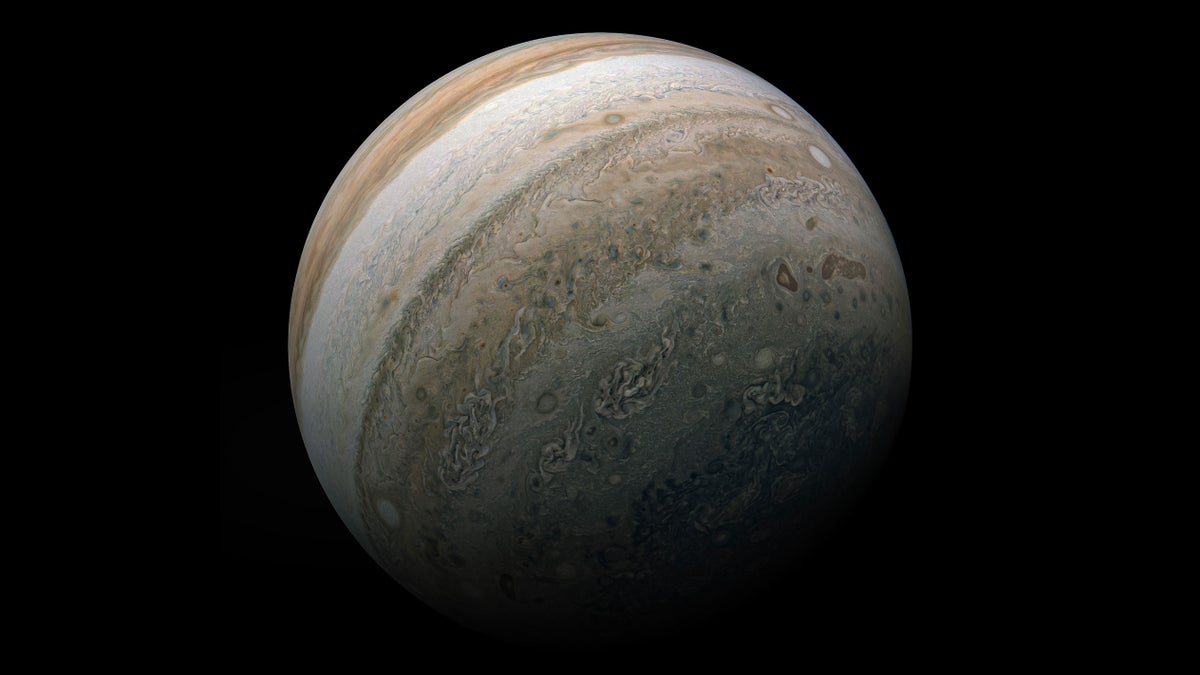
What happened: Jupiter hits opposition, making it the brightest and biggest it will appear in 2026.
• Why it matters now: Opposition offers rare, all-night viewing, ideal for telescopes and astrophotography.
• What changes for people: Mars disappears from view for weeks, while Saturn and its moons offer rich early-evening targets.
• Who is affected: Skywatchers, photographers, and anyone interested in planetary observation or night-sky events.
Skywatchers are in for a busy week as the night sky puts on several standout shows from January 9 to 16. The headline event is Jupiter at opposition, when the giant planet lines up with Earth and the Sun, making it appear at its largest and brightest for the entire year. Saturn’s moon system also offers photogenic views, while Mars temporarily exits the stage as it moves behind the Sun.
Jupiter steals the spotlight at opposition
The big moment arrives on January 10, when Jupiter reaches opposition and dominates the night sky in Gemini, glowing at magnitude –2.7. At opposition, the planet rises at sunset and sets at sunrise, giving observers maximum viewing time.
Telescopes will reveal Jupiter’s cloud bands, Great Red Spot, and a steady procession of its four large moons. This week also features transits of Callisto, Io, and Ganymede, where each moon and its shadow pass across Jupiter’s face. These events are highlights for planetary photographers and backyard observers alike.
During opposition, the geometry places Earth directly between Jupiter and the Sun, enhancing the planet’s brightness and producing a unique shadow alignment that briefly causes a moon to overlap its own shadow on the disk.
Mars disappears until spring
On January 9, Mars reaches conjunction with the Sun, making it invisible for several weeks until it reappears in the morning sky around mid-March. Conjunctions mark the point where Mars passes behind the Sun from our perspective, temporarily hiding the Red Planet in solar glare.
Saturn and Titan shine in early evenings
With Jupiter ruling the late night, Saturn becomes the best early-evening target. It hangs in the southwestern sky, accompanied by its largest moon Titan, which orbits wide enough to be spotted even in small backyard telescopes.
Over several nights this week, observers can track:
• Titan drifting west of Saturn
• Smaller moons such as Rhea, Tethys, and Dione
• Fainter targets like Iapetus and Enceladus with larger optics
Saturn also crosses from Aquarius into Pisces around January 15, an easy move to track for constellation fans.
Asteroid Psyche passes Aldebaran
On January 11, asteroid 16 Psyche glides just north of Aldebaran, the bright red eye of Taurus the Bull. At magnitude 10.5, it’s a binocular and telescope object. Psyche’s movement highlights its unusual retrograde loop, where it drifts westward before reversing direction in February.
Lunar highlights and deep-sky treats
The waning crescent Moon sweeps through constellations such as Scorpius, offering scenic pairings with Antares, a deep-red supergiant star. Near dawn, earthshine can make the reduced lunar disk particularly photogenic.
Meanwhile, the Beehive Cluster (M44) in Cancer rises late in the week. It’s visible to the naked eye under dark skies as a faint, misty patch and explodes into hundreds of stars through binoculars.
Why this week matters for observers
This week offers a rare combination of:
• Peak planetary viewing for Jupiter
• Prime evening Saturn sessions
• Deep-sky access in longer winter nights
• Low Moon interference during key events
From casual skywatchers to advanced astrophotographers, there’s something happening every night.