
Tata Trusts Reappoint Venu Srinivasan for Life Amid Governance Continuity
In a move signaling stability within India’s largest philanthropic organizations, the boards of Sir Dorabji Tata Trust (SDTT) and Sir Ratan Tata Trust (SRTT) have...
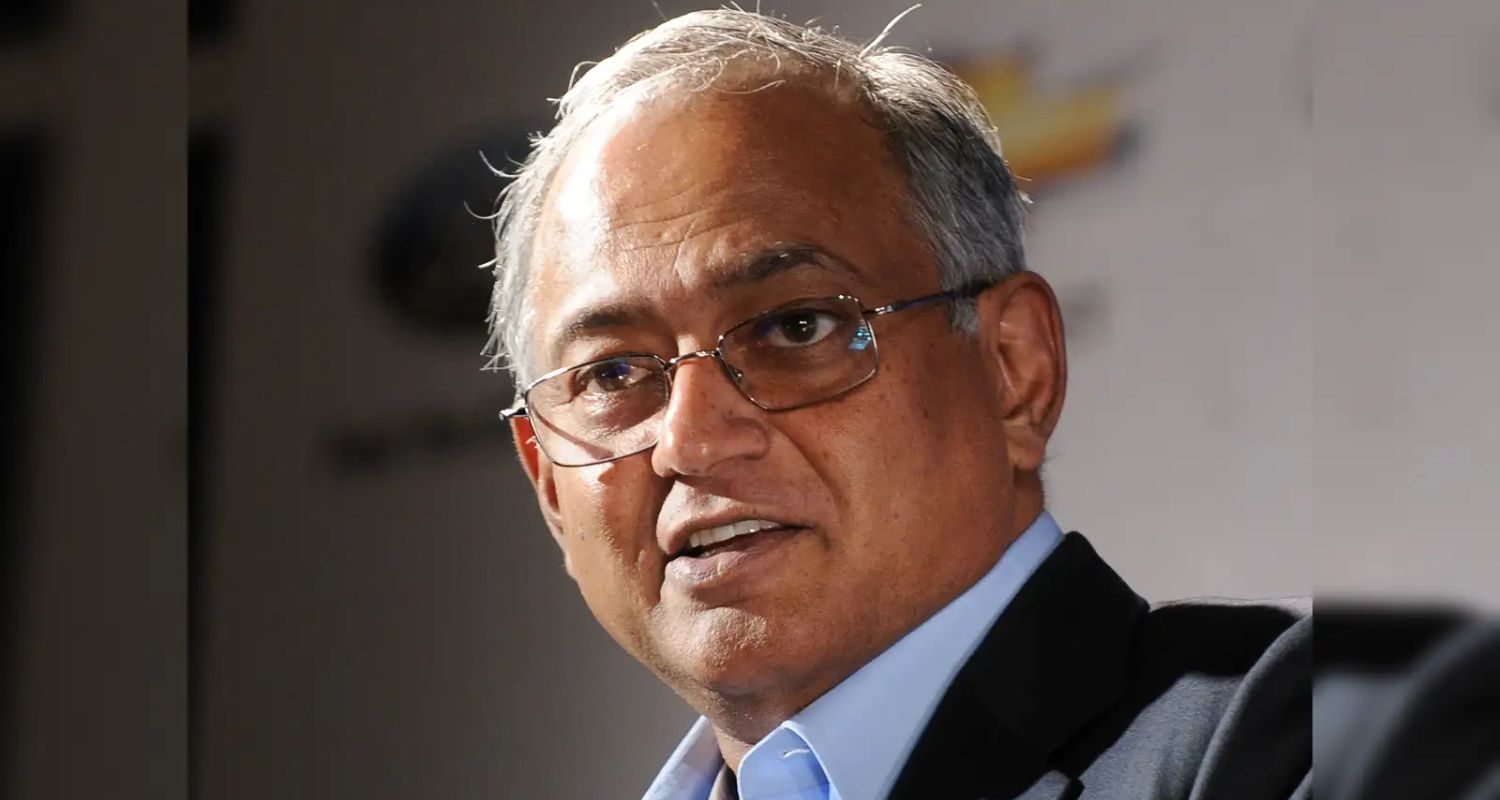
In a move signaling stability within India’s largest philanthropic organizations, the boards of Sir Dorabji Tata Trust (SDTT) and Sir Ratan Tata Trust (SRTT) have approved the life-long reappointment of trustee and vice-chairman Venu Srinivasan, setting aside earlier differences over governance matters. The decision follows the earlier reappointment of trustee and chairman Noel Tata in January 2025, which also had no tenure limit.
The two trusts collectively hold about 52% of Tata Sons, underscoring the strategic and operational influence of their trustees over the flagship Tata Group. Fellow trustee Mehli Mistry is expected to be reappointed in the coming days, maintaining the continuity of the leadership team.
Trustees for Life: A Tradition Reinforced
The reappointment of Srinivasan was largely procedural. In a resolution passed on October 17, 2024, the trusts determined that any trustee whose term expires would be reappointed without any limit on tenure. The same resolution declared that trustees are equally responsible for all decisions and any dissent on reappointment constitutes a breach of duty, effectively making these positions life-long unless a trustee voluntarily steps down.
Historically, several Tata trustees—including JRD Tata, Ratan Tata, Jamshed Bhabha, and RK Krishna Kumar—held their positions until their passing. While some trustees had fixed terms, typically renewed every three years, the 2024 resolution formalized the life-tenure norm for all main trustees. Exceptions like Noshir Soonawala stepped down due to age or health considerations, highlighting that voluntary resignations remain an option.
Governance and Tata Sons Oversight
The October 2024 board meeting also outlined a framework for oversight of Tata Sons directors nominated by the trusts, specifically reviewing directors on reaching the age of 75. This guideline led to recent adjustments on the Tata Sons board, including the resignation of Vijay Singh, who lost majority trustee support, despite suggestions to replace him with Mehli Mistry—a proposal rejected by Noel Tata.
The trusts’ executive committee, which includes Srinivasan, Mistry, Vijay Singh, Pramit Jhaveri, Darius Khambata, and Jehangir Jehangir, remains responsible for decisions relating to Tata Sons’ shareholding and broader operational matters.
Strategic Continuity Amid Change
Observers note that these governance moves are critical for maintaining continuity and stability in the Tata ecosystem, which spans industries from steel and automotive to IT and chemicals. By solidifying life-long trustee appointments, the trusts are ensuring long-term stewardship over Tata Sons and its philanthropic missions, while minimizing disruptions due to age or tenure transitions.
Noel Tata, who assumed the chairmanship following Ratan Tata’s passing in October 2024, has emphasized that the framework preserves the charitable and operational integrity of the trusts while maintaining alignment with the group’s long-term objectives.