
Tamil Nadu Govt Grants 15 Days Paternity Leave to Employees
Tamil Nadu Chief Minister C Joseph Vijay has announced 15 days of paternity leave for state government employees, recognizing fathers' crucial role in new family...
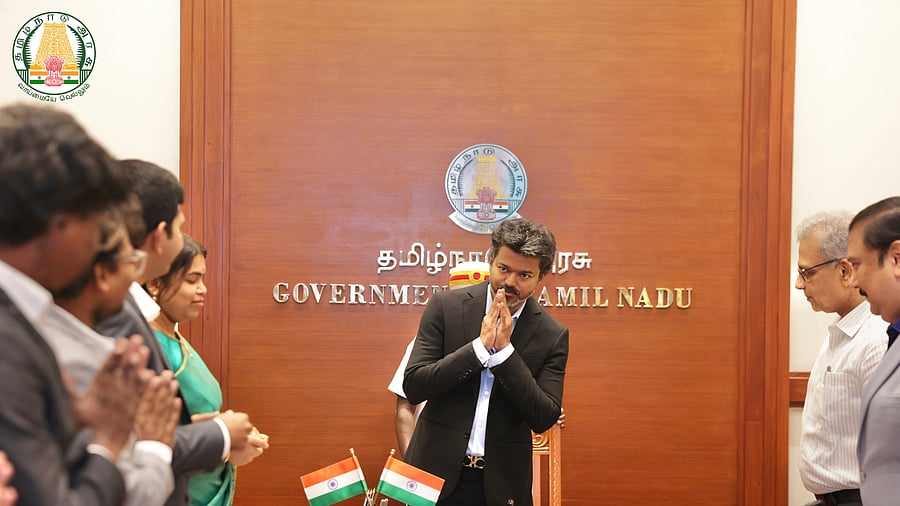
The Cliff News | 27 November 2026
Tamil Nadu Chief Minister C Joseph Vijay on Thursday rolled out a significant benefit for male government employees, announcing 15 days of paternity leave. This marks the first instance the state government has extended such a privilege to its male workforce.
The newly introduced paternity leave policy allows male government staff to take 15 days off work. This leave can be availed either 15 days prior to the expected date of child birth or within six months following the birth of the child, according to an official release from the Chief Minister's Office (CMO).
Rationale Behind the Policy Shift
The decision to implement paternity leave was a direct response to requests received from government employees. The CMO highlighted in a Tamil press release that while female employees are currently entitled to a substantial 365 days of maternity leave, male employees had also voiced their desire for similar provisions.
The press release emphasized the critical nature of the period surrounding childbirth. It stated, "During this period, the father’s support is essential in providing physical and emotional support to the mother, as well as in taking care of the child." This underscores the government's recognition of the father's integral role in early childcare and maternal well-being.
Promoting Shared Family Responsibilities
The introduction of paternity leave is viewed as a measure to promote gender equality in family responsibilities. "The provision of 365 days of maternity leave to female government employees reflects the importance given to motherhood and child welfare. Similarly, granting paternity leave to male government employees would help share family responsibilities and ensure the father's participation in child-rearing," the CMO elaborated.
This move aligns with a growing global understanding of the importance of paternal involvement in a child's formative months. By enabling fathers to actively participate from the outset, the policy aims to strengthen family bonds and support the holistic development of both the child and the mother.