
Supreme Court rules that menstrual health in schools is part of the fundamental right to life under Article 21
What happened: The Supreme Court of India held that menstrual health and hygiene in schools is protected under the right to life and dignity guaranteed...
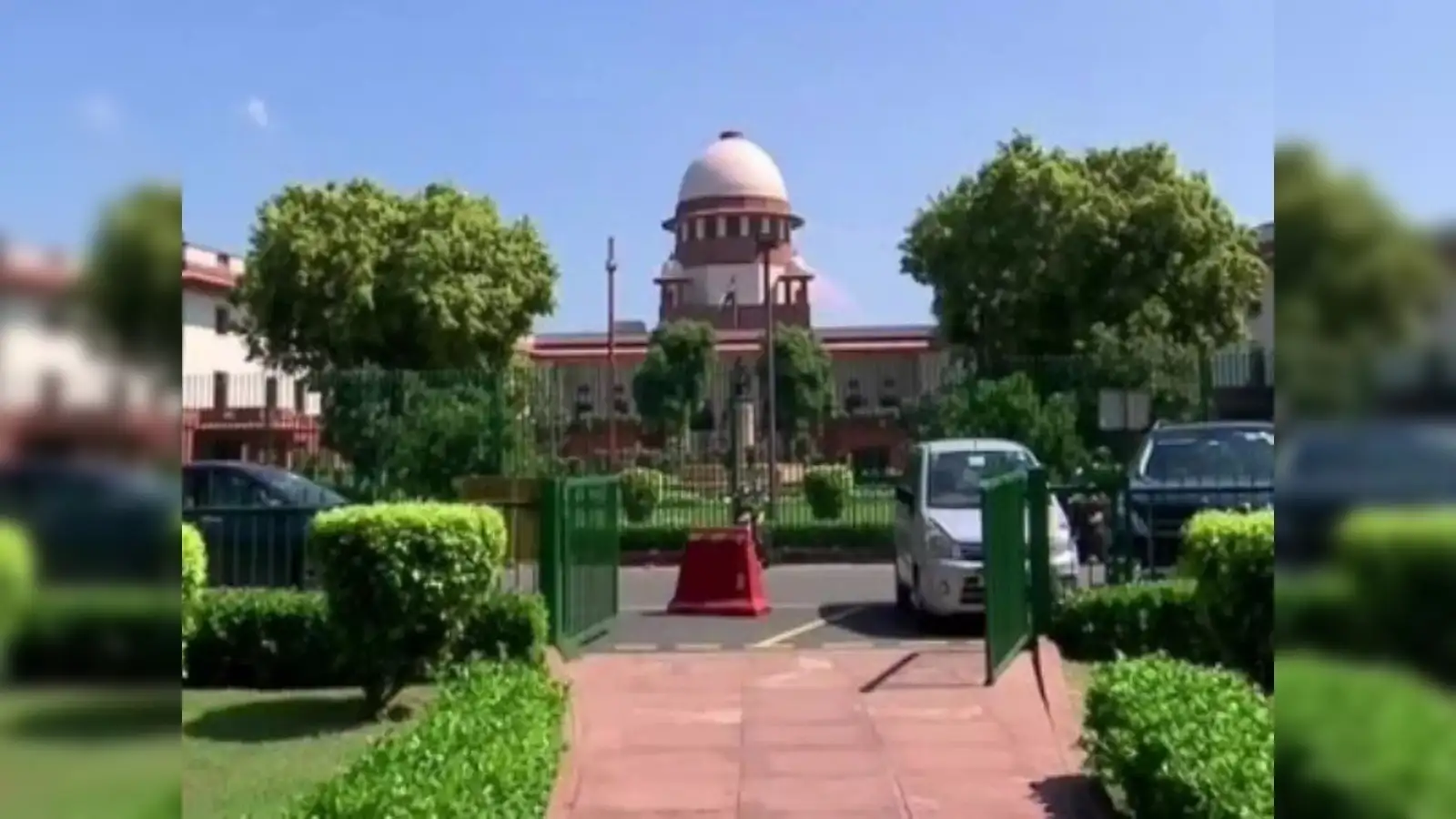
What happened: The Supreme Court of India held that menstrual health and hygiene in schools is protected under the right to life and dignity guaranteed by Article 21.
Why it matters now: The ruling mandates nationwide action to ensure safe, stigma-free access to menstrual hygiene for girls in educational institutions.
What changes for people: All States and Union Territories must ensure that sanitary napkins and menstrual hygiene facilities are available in every school.
Who is affected: Millions of school-going girls, teachers, parents, and state education departments.
A landmark judgment linking menstrual health to constitutional rights
In a historic ruling delivered on January 30, 2026, the Supreme Court of India declared that access to menstrual hygiene in schools is an essential facet of the right to life and dignity under Article 21.
The Court observed that the absence of sanitary napkins, safe disposal systems and private facilities in schools exposes young girls to stigma, shame and health risks, violating their fundamental rights.
The judgment marks one of the strongest legal affirmations yet that menstrual health is not a welfare issue but a constitutional entitlement.
Court highlights stigma, humiliation and gender inequality
The bench noted that girls across the country routinely face:
lack of access to sanitary napkins
unsafe or absent washrooms
no proper waste-disposal systems
teasing, stigma and humiliation
absenteeism during menstrual cycles
The Court emphasised that menstrual health management (MHM) is crucial for equal educational opportunity.
Without it, girls are pushed into dropout cycles and denied full participation in school life.
States and Union Territories directed to act immediately
The Supreme Court issued clear directions requiring every State and Union Territory to:
ensure access to sanitary napkins in all schools
provide clean and private washrooms for girls
install vending and disposal machines where feasible
strengthen MHM awareness programs for students and teachers
integrate menstrual health into school health missions
The Court stressed that these measures must be treated as non-negotiable, not optional schemes.
Why this judgment matters
Menstrual hygiene has long been linked to:
school absenteeism among girls
health risks, including infections
poor academic performance
psychological stress due to stigma
gender inequality in education
By elevating menstrual hygiene to a constitutional right, the Supreme Court has created a binding legal obligation for governments to act, ensuring long-term systemic change.
Education, health and gender experts welcome the ruling
Public health experts said the judgment could transform the way schools approach adolescent health.
Women’s rights groups called it a powerful step toward normalising menstruation and eliminating stigma at the institutional level.
Education officials believe the ruling will accelerate investment in school sanitation infrastructure and help protect millions of girls who miss school due to inadequate facilities.
What to watch next
States will submit action plans outlining school-level menstrual hygiene measures.
The Centre may issue new national MHM guidelines aligned with Article 21.
Funding allocations for school health missions are likely to increase.