
Supreme Court reserves verdict on bail pleas of Sharjeel Imam, Umar Khalid and others in 2020 Delhi riots conspiracy case
The Supreme Court on Wednesday reserved its judgment on the bail pleas of activists Sharjeel Imam, Umar Khalid and five others charged under the Unlawful...
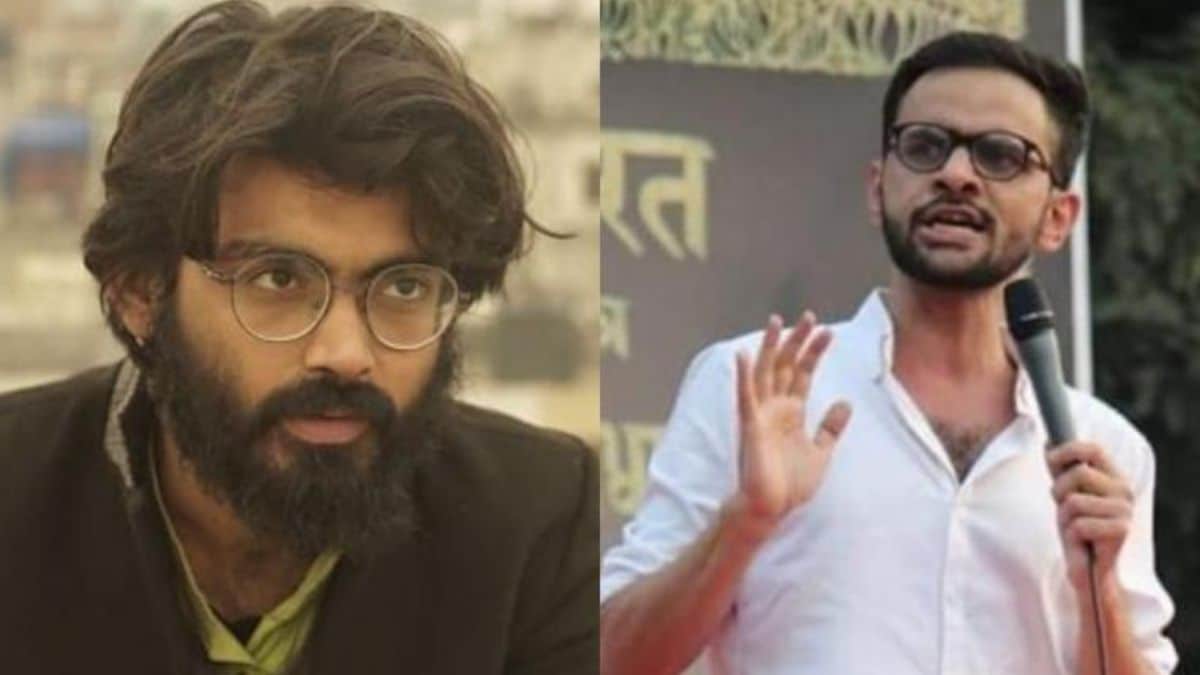
The Supreme Court on Wednesday reserved its judgment on the bail pleas of activists Sharjeel Imam, Umar Khalid and five others charged under the Unlawful Activities (Prevention) Act (UAPA) in connection with the alleged conspiracy behind the February 2020 riots in Delhi. The hearing came as the Delhi Police argued that speeches delivered by the accused were designed to trigger disruptions in essential supplies and amounted to a “clear terrorist act”.
Appearing for the Delhi Police, Additional Solicitor-General S.V. Raju told a Bench of Justices Aravind Kumar and N.V. Anjaria that the accused had used protest platforms to call for “chakka jams”, which he described as coordinated efforts aimed at obstructing essential services in the national capital. Such actions, he argued, threatened the country’s economic security and met the legal threshold for a terrorist act under Section 15 of the UAPA.
Raju said the speeches were not “mere political expressions” but part of a broader conspiracy that culminated in violence which left 53 people dead and hundreds injured. According to him, “conspiratorial meetings” were held to plan blockades and disrupt daily life, with the speeches serving as instigation.
Bench questions link between speeches and violence
The Bench, however, queried whether the evidence presented by the prosecution sufficiently connected the speeches to the actual violence in February 2020. Justice Kumar observed that the material on record appeared more suited to invoke Section 13 of the UAPA, which concerns unlawful activities, rather than Section 15, which defines terrorist acts.
“How do you link it to the actual violence?” Justice Kumar asked, signalling scepticism about whether the speeches crossed the high bar required for charges of terrorism.
Prosecution cites videos, conspiracy theory, and collective liability
Raju screened videos of Sharjeel Imam’s speeches during anti-CAA protests, pointing to his remarks about the “chicken neck” corridor — the critical link between the Northeast and the rest of India — and his calls to “choke supplies”. These, he argued, were aimed at undermining India’s sovereignty.
He also submitted that under established conspiracy law, Imam’s speeches could be attributed to the other accused, including Umar Khalid, and used as evidence against them. Raju further disputed the defence’s claim that Khalid had no administrative role in WhatsApp groups cited by the police, and pointed to witness statements alleging that Khalid attended key planning meetings and intentionally left Delhi before the riots to avoid culpability.
Defence calls prosecution case selective and overstated
Senior advocate Siddharth Dave, appearing for Imam, argued that the prosecution was relying on selective excerpts stripped of context. He maintained that even if Imam’s speeches were taken at face value, they may attract Section 13 for unlawful activity but do not supply the additional ingredients required under Section 15 for a terrorist act.
“If I said ‘cut off Assam’, only Section 13 is attracted. Where is the additional material?” Dave said.
Defence lawyers for the other accused have similarly argued that the police case is speculative and built on inferences rather than evidence linking them to acts of violence.
Next steps
The accused have challenged a September 2 Delhi High Court order denying them bail, which described their alleged roles as “grave” and indicative of a coordinated conspiracy to incite the 2020 riots. The High Court had found that anti-CAA protests in late 2019 — including speeches, pamphlets and digital communication — evolved into a plan to trigger violence.
After hearing all sides, the Supreme Court directed the parties to file written submissions by December 18. The Bench indicated that it intends to pronounce the verdict before the court closes for its winter recess on December 19.