
Stargazing & Mental Health: Reconnecting With the Night Sky for Wellbeing
Embracing darkness could unlock surprising mental health benefits.
Top Summary
- What happened: A psychologist paper proposes a 'Night Sky Connectedness Index' to measure the link between mental wellbeing and viewing stars.
- Why it matters: Artificial light obscures stars, potentially harming mental health by diminishing connection to nature.
- What changes for people: Switching off artificial lights at night could improve psychological well-being.
- Who is affected: Individuals in urban areas with high light pollution may experience decreased connection to the night sky.
The Beauty of Darkness: Chile's Atacama Desert
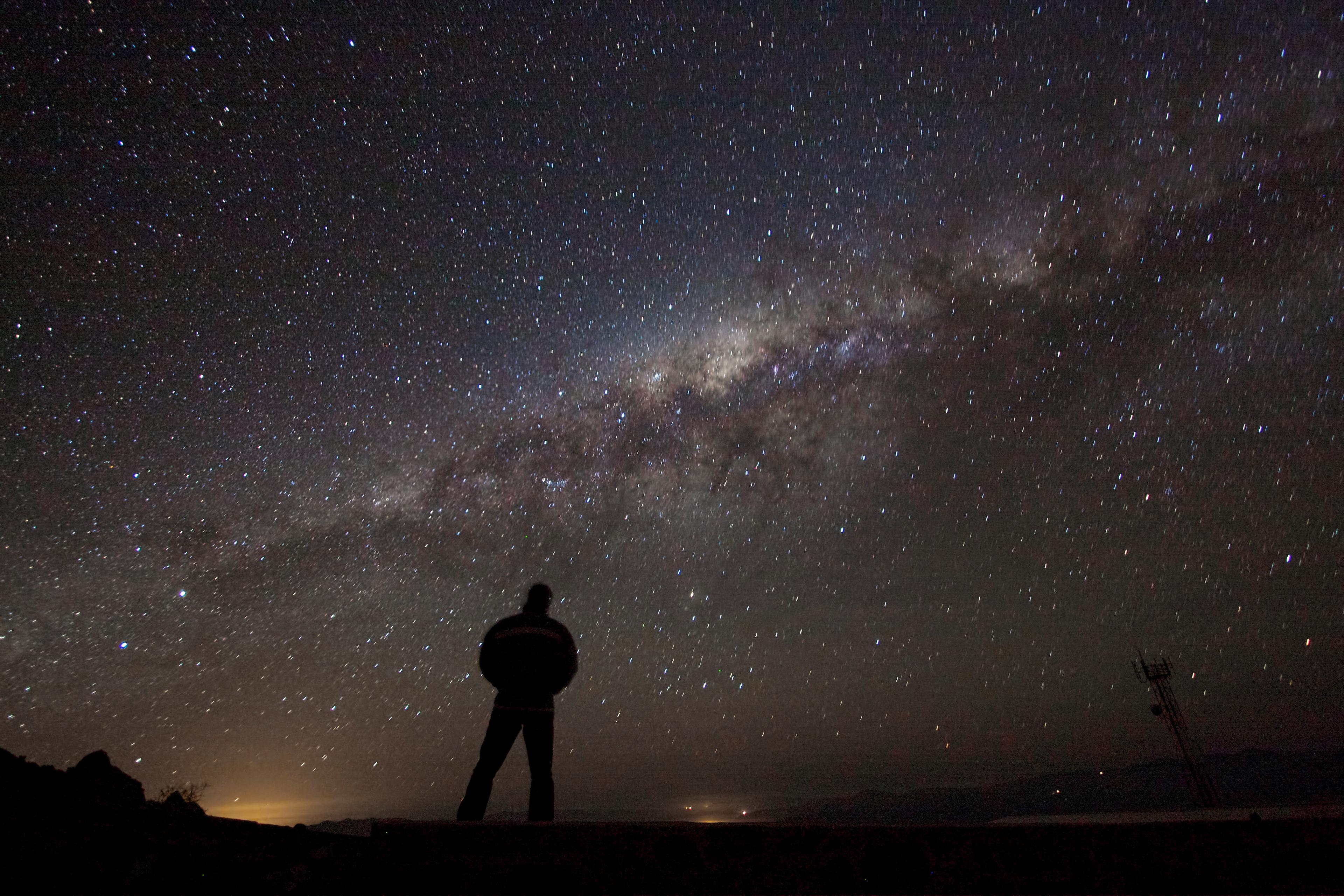
Visiting the Atacama Desert in Chile, one discovers a place where darkness is celebrated. The region's clear, dry skies are ideal for astronomy. Here, light is strictly controlled, with signs encouraging people to minimize light usage.
The reward? A night sky so vibrant that the Magellanic Clouds – distant galaxies – are visible to the naked eye. They appear as pale green smudges against the black canvas.
The Night Sky Connectedness Index
Inspired by this experience, psychologist Richard Fisher explored the relationship between the night sky and mental health. This led to the discovery of a 2024 paper by psychologists Christopher Barnes and Holli-Anne Passmore.
They propose a 'Night Sky Connectedness Index'. This aims to measure people's relationship with the night sky, highlighting its potential impact on wellbeing.
Nature's Nighttime Benefits
It's well-established that a strong connection to nature boosts wellbeing. People connected to nature often report flourishing, functioning well psychologically, and experiencing personal growth.
However, research has predominantly focused on daytime activities like birdwatching or forest bathing. Barnes and Passmore highlight the overlooked role of the night sky.
Rediscovering the Dark
Darkness, of course, presents dangers. But there are simple ways to reconnect with the night. Switching off lights at home and simply looking up offers an accessible way to appreciate the stars.
"It’s easier to see here," replies the drunk, when asked why he searches for his lost keys only under a streetlamp.
The anecdote serves as a reminder that sometimes, what we need lies in the dark, not the artificial light.
Expanding Our Cosmic Perspective
Consider the 'Panzoic Effect', as explored by astrobiologist Graham Lau in his 2025 Psyche Idea piece. Thinking about the potential for extraterrestrial life can offer psychological benefits.
Furthermore, a 2021 Psyche Idea piece by psychologist Tim Brennen explores how winter does not necessarily dampen human cognition. The exploration of dark and space helps us understand how we function.
What to Watch Next
As light pollution continues to increase, the importance of preserving dark skies grows. Researchers will likely further explore the Night Sky Connectedness Index and its correlation to different demographics and locations, potentially leading to new interventions promoting dark sky awareness and its mental health benefits.