
Stardust Found In Antarctic Ice Reveals Ancient History Of The Solar System
Scientists studying Antarctica have discovered traces of ancient stardust preserved inside deep Antarctic ice, offering new clues about the Solar System’s journey through interstellar space...
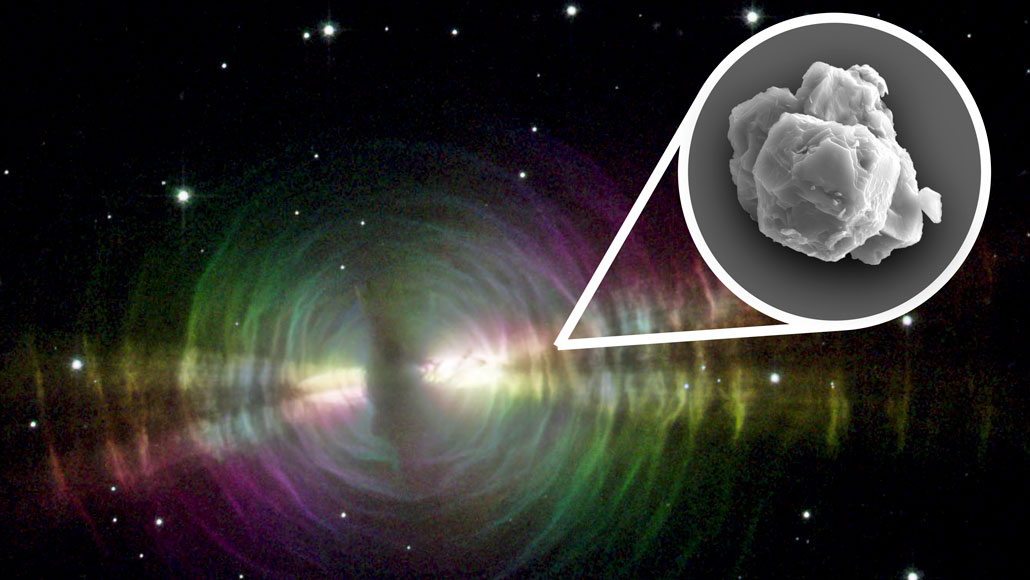
Scientists studying Antarctica have discovered traces of ancient stardust preserved inside deep Antarctic ice, offering new clues about the Solar System’s journey through interstellar space over tens of thousands of years. Researchers say the findings could help explain how nearby stars and interstellar clouds influenced the environment surrounding Earth and the Solar System.
What happened
- Scientists identified traces of interstellar stardust trapped in Antarctic ice
- The discovery may reveal details about the Solar System’s movement through space over thousands of years
- Researchers linked the material to nearby interstellar clouds in the Milky Way galaxy
- The study helps scientists better understand the history of cosmic dust around Earth
What are interstellar clouds?
Much of outer space is filled with:
- Gas
- Plasma
- Microscopic stardust particles
These formations are known as interstellar clouds.
Scientists believe these clouds are closely connected to:
- The birth of stars
- Stellar explosions and death
- The chemical evolution of galaxies
The Solar System is currently moving through one such region called the Local Interstellar Cloud.
Why Antarctic ice matters
Antarctic ice acts like a long-term natural archive.
Tiny particles from space can become trapped in ice layers over thousands of years, allowing scientists to:
- Study ancient cosmic material
- Trace changes in the Solar System’s environment
- Understand how interstellar dust reached Earth
Researchers say these frozen records may preserve evidence from different phases of the Solar System’s galactic journey.
Why it matters
The findings could improve scientific understanding of:
- The history of the Solar System
- How interstellar material interacts with Earth
- Cosmic events that may have influenced planetary conditions over time
Studying ancient stardust may also help scientists learn more about the larger structure and evolution of the Milky Way galaxy.
What changes
- Antarctic ice research may gain greater importance in astronomy
- Scientists could intensify studies of interstellar dust composition
- Future space and climate research may increasingly overlap in understanding Earth’s cosmic environment
Who is affected
- Astronomers and astrophysicists
- Space research institutions
- Climate and polar scientists
- Researchers studying the Milky Way and Solar System evolution
What to watch next
Scientists are expected to continue analyzing Antarctic ice samples for additional traces of cosmic material that may reveal more about the Solar System’s past movements through interstellar space and the changing environment of our galaxy.