
Sri Lanka Battles Dengue Surge: 44,000 Cases Recorded, Cyclone Aftermath Blamed
Sri Lanka is grappling with a major dengue outbreak, recording 44,000 cases and 28 deaths this year, worsened by Cyclone Ditwah and unplanned urbanisation.
Top Summary
- What happened: Sri Lanka has recorded 44,000 dengue cases and 28 deaths this year, experiencing a significant surge in infections.
- Why it matters: The outbreak is worsening due to weather patterns and post-cyclone conditions, with cases nearly doubling from April to June alone.
- What changes: Public health authorities are intensifying spraying in schools, homes, and public buildings, alongside major environmental cleanup drives.
- Who is affected: Residents across Sri Lanka, particularly in urban areas and those vulnerable to mosquito breeding sites in institutions and factories.
Dengue Cases Soar Amid Environmental Challenges
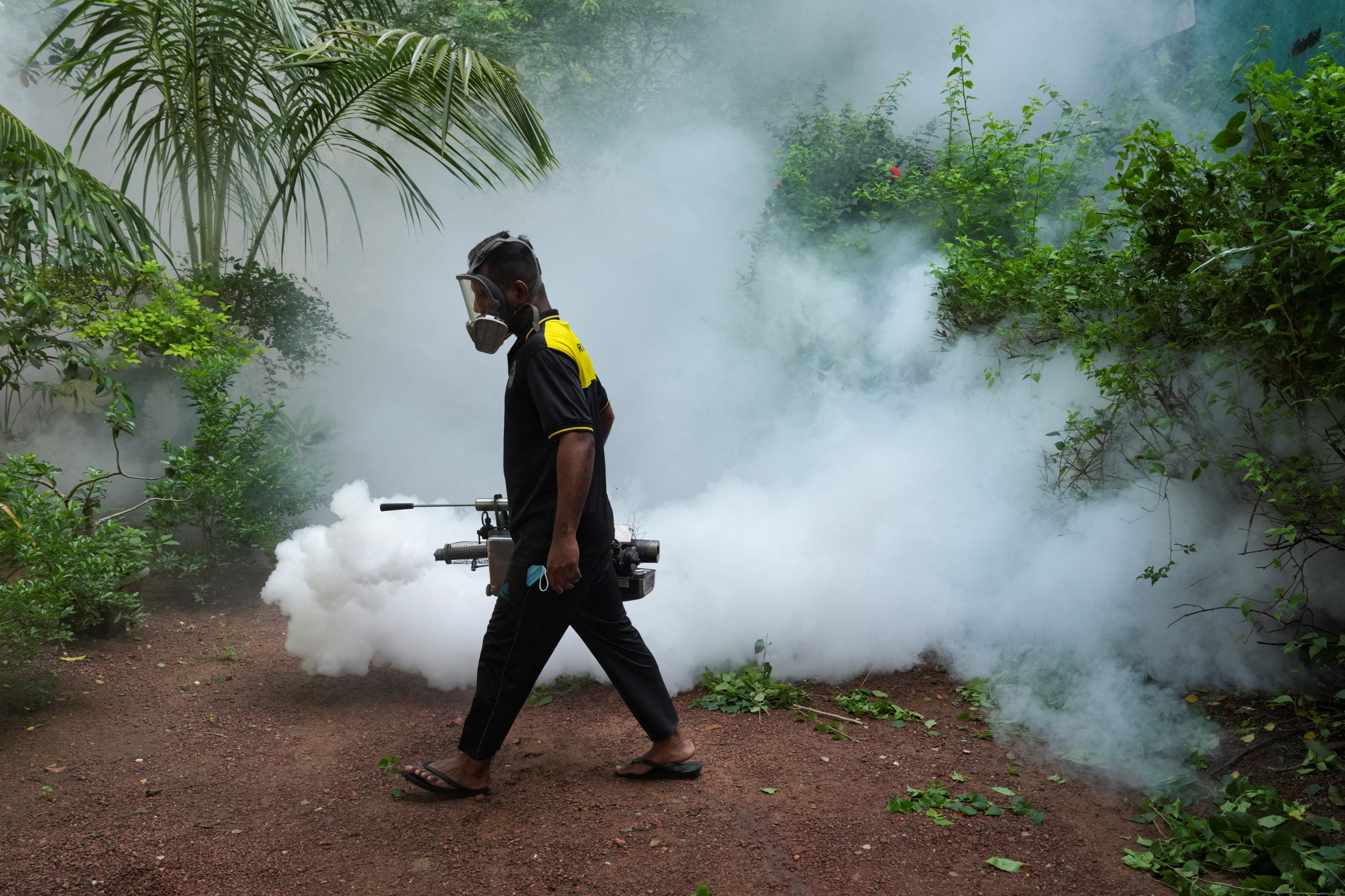
Colombo, Sri Lanka – The tropical island nation of Sri Lanka is grappling with a significant dengue fever outbreak, with 44,000 cases and at least 28 deaths recorded this year alone. Authorities have initiated extensive spraying campaigns across schools, homes, and public buildings to combat the escalating health crisis, as of June 19, 2026.
The current surge in infections has been attributed to a combination of factors, including the lingering effects of Cyclone Ditwah, which struck the island in late November. This natural disaster, coupled with intermittent rain patterns and an increase in environmental waste, has created ideal conditions for mosquito breeding.
Cyclone Ditwah and Urbanisation Exacerbate Crisis
"From last year, the Ditwah cyclone, we see a higher number of cases than previously. For this year our baseline was high in January also. So due to this weather pattern, intermittent raining pattern and a higher number of waste in environment, may have caused this outbreak."
Dr. Prahila Samaraweera, spokesperson for the National Dengue Control Unit (NDCU), highlighted the severity of the situation. Unplanned urbanisation further compounds the problem, alongside the damage left by the cyclone, which together have worsened the seasonal outbreak typically seen during monsoon season.
Dr. Samaraweera emphasized the importance of community engagement in identifying breeding grounds. "When we do our anthropological surveys, the schools, government institutions, factories and religious places. They are the four main places where we can find a lot of mosquito breeding places."
Intensive Cleanup Efforts Underway
In response to the escalating numbers, Sri Lankan authorities are implementing aggressive environmental cleanup campaigns and modifications. These efforts are crucial in reducing the mosquito population and controlling the spread of the virus.
"With the environment clean up campaigns, modifications, those things we think that within four weeks we can reduce the number of patients"
The National Dengue Control Unit aims to reduce the number of patients within four weeks through these concerted public health interventions. This aggressive timeline underscores the urgency of the current situation.
Rapid Increase in Infections Recorded
Data from the NDCU paints a stark picture of the rapid spread. The number of dengue cases nearly doubled from 5,651 in April to 10,638 in the first two weeks of June. This sharp increase follows a year where 51,000 cases were recorded in total for 2025, indicating an accelerated rate of infection in the current year.
Dr. Samaraweera also warned that infections are likely to continue their upward trend for at least two more weeks before a potential tapering off. Authorities are concerned that the patient numbers for this year could ultimately match the last major outbreak in 2019, when Sri Lanka reported over 105,000 dengue patients.
What to Watch Next
The coming weeks will be critical as authorities intensify their cleanup drives and spraying efforts to meet the ambitious four-week target for patient reduction. Monitoring the impact of these interventions and the trajectory of new infections will be key to understanding the full scope of this year's dengue crisis.