
SpaceX set to launch GPS III SV09 as US upgrades global navigation constellation
What happened:SpaceX is preparing to launch the GPS III SV09 satellite aboard a Falcon 9 rocket from Cape Canaveral Space Force Station in Florida on...
What happened:
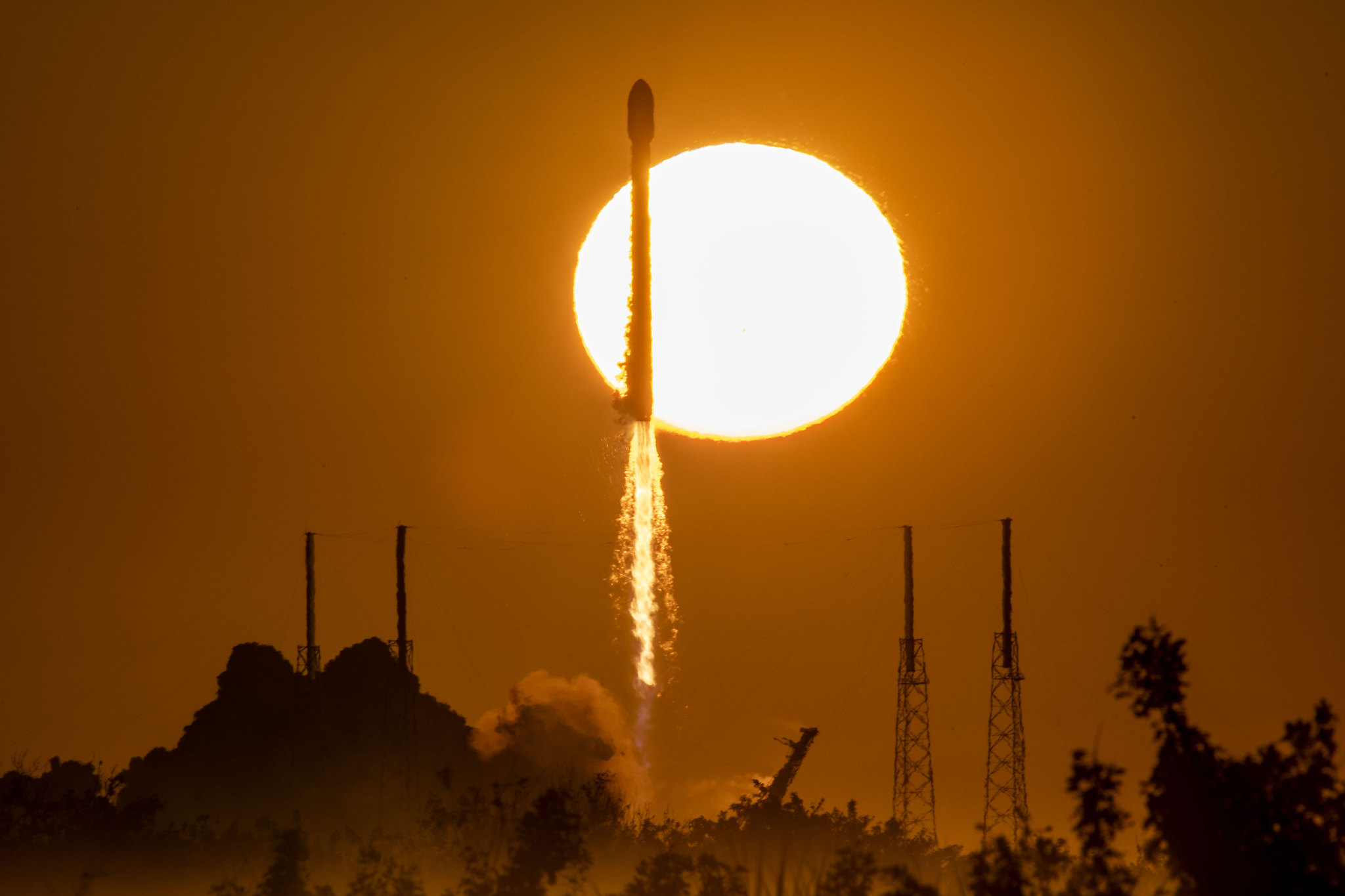
SpaceX is preparing to launch the GPS III SV09 satellite aboard a Falcon 9 rocket from Cape Canaveral Space Force Station in Florida on January 27, as the United States continues to modernise its Global Positioning System (GPS) constellation. The launch window opens at 11:38 pm EST, with a backup opportunity scheduled for January 28.
The mission will place the ninth GPS Block III satellite into medium-Earth orbit. The Falcon 9 first-stage booster, flying for the fifth time, is expected to land on the droneship A Shortfall of Gravitas in the Atlantic Ocean after liftoff.
Why it matters:
GPS Block III satellites represent a major leap in navigation technology, offering three times better positioning accuracy and up to eight times stronger anti-jamming capability compared to older satellites. The upgrade is crucial not only for US military operations but also for billions of civilian users worldwide who rely on GPS for navigation, logistics, aviation, banking, disaster response and daily smartphone services.
Inside the GPS III upgrade:
Built by Lockheed Martin, GPS III SV09 will join a constellation that currently has 31 active satellites, of which eight belong to the Block III series. While only 24 satellites are required for full global coverage, additional spacecraft provide redundancy and resilience.
Block III satellites are designed to improve signal strength, reliability and resistance to interference. They also support enhanced civil signals that allow more precise positioning for commercial and public users.
The next phase of upgrades will come with GPS Block IIIF satellites, expected to begin launching no earlier than 2027. These follow-on spacecraft will introduce even stronger anti-jamming features and, for the first time, a fully digital navigation payload that can be updated from the ground without changing onboard hardware.
From military tool to global utility:
The first GPS satellite was launched in 1978 as a classified US military system. In 1983, the signal was opened for civilian use, transforming global transportation, commerce and communications. Today, GPS operates alongside other global navigation satellite systems such as Europe’s Galileo, Russia’s GLONASS and China’s BeiDou, forming the backbone of modern positioning and timing services.
Despite the availability of alternatives, GPS remains one of the most widely used and trusted systems worldwide.
Busy launch week for SpaceX and others:
The GPS III SV09 mission is part of a packed launch schedule. SpaceX is also set to conduct multiple Starlink deployments this week from both Florida and California, continuing the expansion of its low-Earth orbit broadband network.
Rocket Lab is preparing for another attempt at its “Bridging the Swarm” mission from New Zealand, carrying a disaster-monitoring satellite for South Korea after a previous launch attempt was scrubbed.