
Space 'Heartbeat': Dead Star Pulses Every 20 Days, Validating Einstein
Scientists discover repeating signal from a destroyed star, pulsing every 20 days.
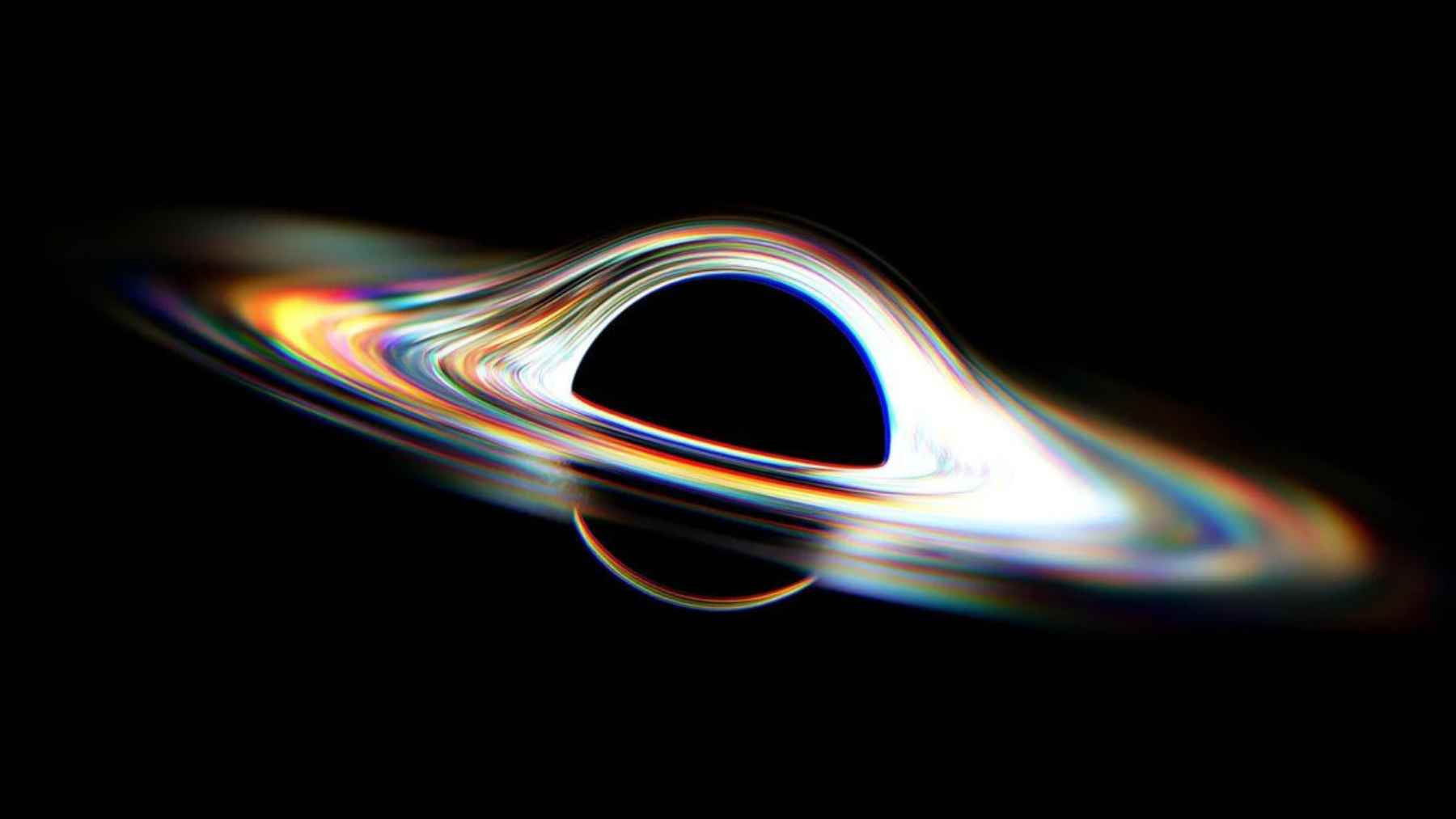
Top Summary
- What happened: Scientists detected a repeating pulsation from a destroyed star near a black hole.
- Why it matters: The 20-day 'heartbeat' supports Einstein's theories about black hole behavior.
- What changes for people: Offers insights into extreme physics near black holes, advancing our understanding of the universe.
- Who is affected: The scientific community and anyone interested in astrophysics.
Black Hole's Echo: A Cosmic Discovery
Scientists have uncovered a periodic signal emanating from the remains of a star torn apart by a black hole.
This unusual signal manifests as pulsations repeating every 20 days.
The discovery provides fresh insights into the enigmatic realm of black holes.
Einstein's Theory Confirmed?
The repeating 20-day signal suggests the black hole is influencing the remains of the destroyed star in a predictable way.
This behavior potentially validates aspects of Einstein's theories regarding how matter behaves under extreme gravitational conditions.
Black holes are known for concealing information, making this discovery particularly significant.
The 20-Day Pulse
The signal's periodicity is the most compelling aspect of the discovery.
The consistent 20-day interval indicates a structured process occurring near the black hole.
Further research aims to fully understand the mechanisms driving this cosmic 'heartbeat'.
What to Watch Next
Future observations will focus on characterizing the signal in more detail, searching for similar phenomena in other regions of space. Scientists hope these studies will help refine our understanding of black holes and their interactions with surrounding matter.