
Soyuz 11: The Only Human Deaths in Space
On June 6, 1971, Soviet cosmonauts Georgi Dobrovolsky, Viktor Patsayev, and Vladislav Volkov launched aboard Soyuz 11, embarking on a historic 23-day mission to Salyut...
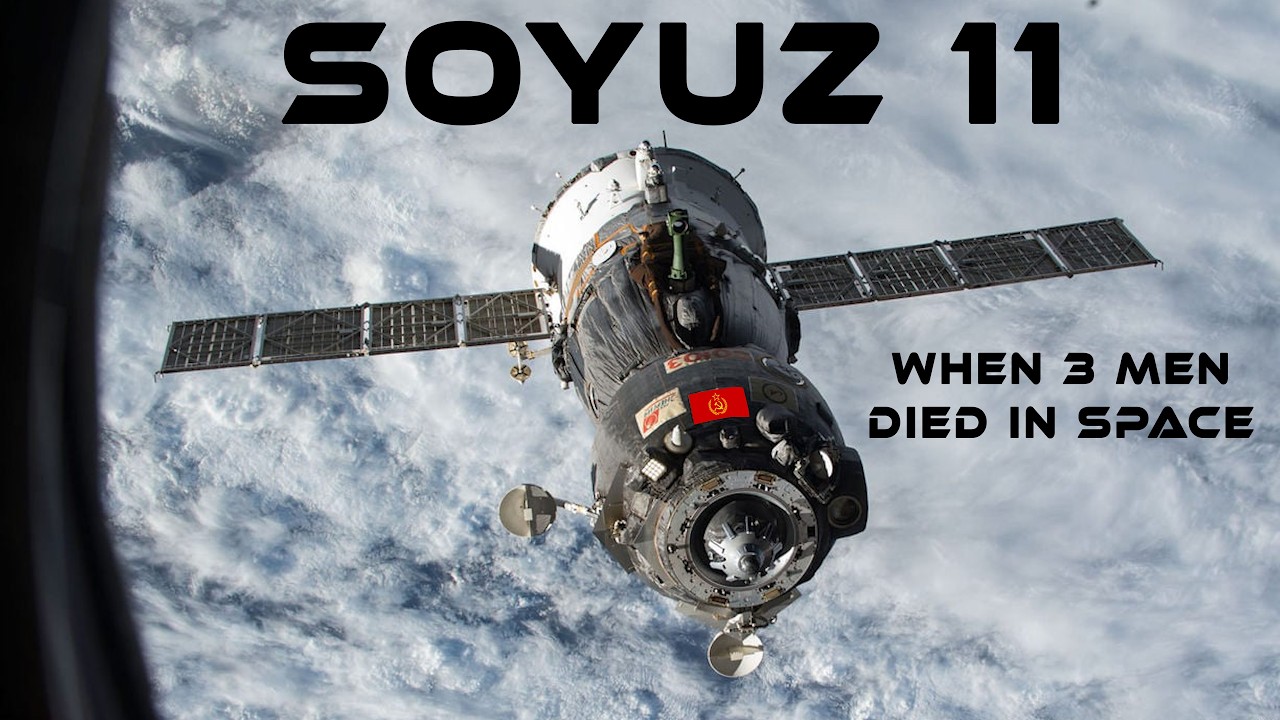
On June 6, 1971, Soviet cosmonauts Georgi Dobrovolsky, Viktor Patsayev, and Vladislav Volkov launched aboard Soyuz 11, embarking on a historic 23-day mission to Salyut 1, the world’s first space station. Their goal was to conduct experiments and prove the feasibility of long-term human habitation in orbit.
Tragically, on June 30, 1971, as Soyuz 11 re-entered Earth’s atmosphere, communication was lost. The capsule landed safely in Kazakhstan, but recovery crews found all three cosmonauts dead. Investigation revealed that a valve between the orbital and descent modules had malfunctioned, causing cabin depressurization at an altitude of 168 km. The crew died of asphyxiation, making them the only humans to have perished in space.
The Soviet Union’s inquiry identified the faulty valve as the cause and prompted major design changes to subsequent Soyuz spacecraft. Pressure suits became mandatory for launch and re-entry, and safety protocols were strengthened to prevent future tragedies.
The Soyuz 11 crew was posthumously honored for their courage. Memorials and tributes commemorate their sacrifice, underscoring the risks of human space exploration.
While their deaths were a devastating loss, the Soyuz 11 incident drove significant advances in spacecraft safety and engineering. The legacy of Dobrovolsky, Patsayev, and Volkov continues to inspire generations of astronauts and engineers venturing into space.