
Southern Indian Ocean Salinity Plummets: A Global Wake-Up Call
The Southern Indian Ocean's salinity is decreasing at an unprecedented rate, raising concerns about global impact.
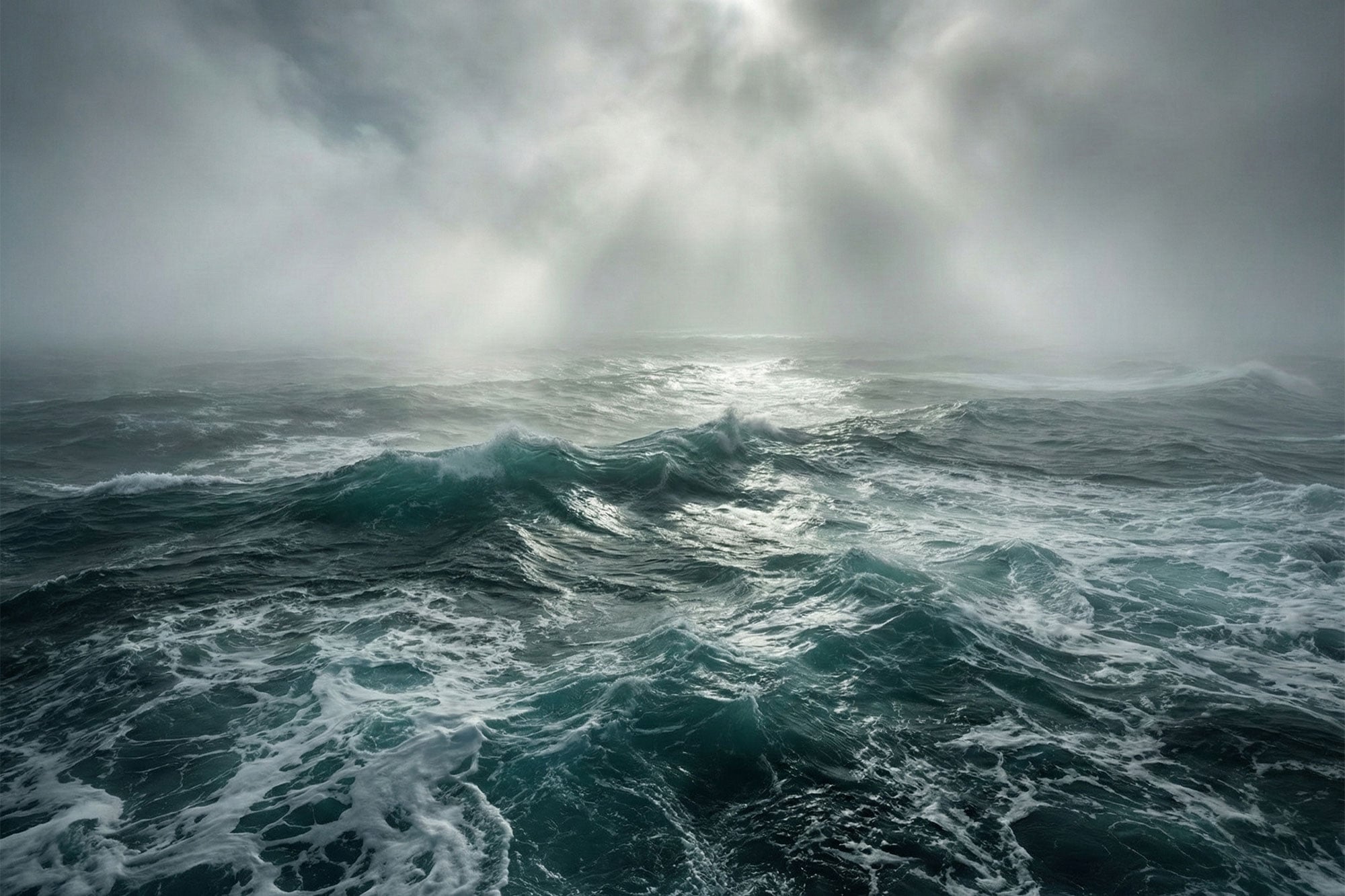
Top Summary
- What happened: Salinity levels in the Southern Indian Ocean have dropped dramatically - around 30% in the last 60 years.
- Why it matters: This rapid freshening could disrupt global ocean circulation and negatively impact marine ecosystems worldwide.
- What changes for people: Potential shifts in weather patterns and disruptions to fisheries.
- Who is affected: Marine life in the Indian Ocean, global communities reliant on stable weather, and fisheries.
Unprecedented Salinity Drop in Indian Ocean
A study published in Nature Climate Change reveals that the Southern Indian Ocean is becoming significantly less salty at an alarming rate. The freshening, occurring off the coast of Western Australia, has sparked concerns among scientists.
This is due to global warming which has altered key wind patterns across the Indian and Pacific Oceans. These shifts are pushing more freshwater into the Southern Indian Ocean.
The Numbers Behind the Change
The salinity levels have dropped by around 30% over the last 60 years, according to the study. This is equivalent to adding the volume of 60% of Lake Tahoe's freshwater every year. This rapid shift is unprecedented.
While the region has historically been characterized by high salinity due to evaporation, this influx of freshwater is changing the water composition. Scientists are worried about what this means for ocean currents and marine life.
Potential Global Impacts
The changes in the Southern Indian Ocean may sound distant, but they could affect the entire planet. The region's high salinity, a result of evaporation, is now being diluted by freshwater influx.
This rapid freshening has raised alarms about potential effects on global ocean circulation and marine ecosystems far beyond the region. The changes could ultimately ripple out to impact the entire planet.
What to Watch Next
Scientists will continue to monitor the salinity levels in the Southern Indian Ocean to understand the long-term effects. Further research is needed to assess the impact on marine ecosystems and global weather patterns.