
Sonny Rollins, Jazz Legend with India Connection, Dies at 95
Jazz saxophone giant Sonny Rollins passed away at 95, leaving behind a rich legacy and India connection.
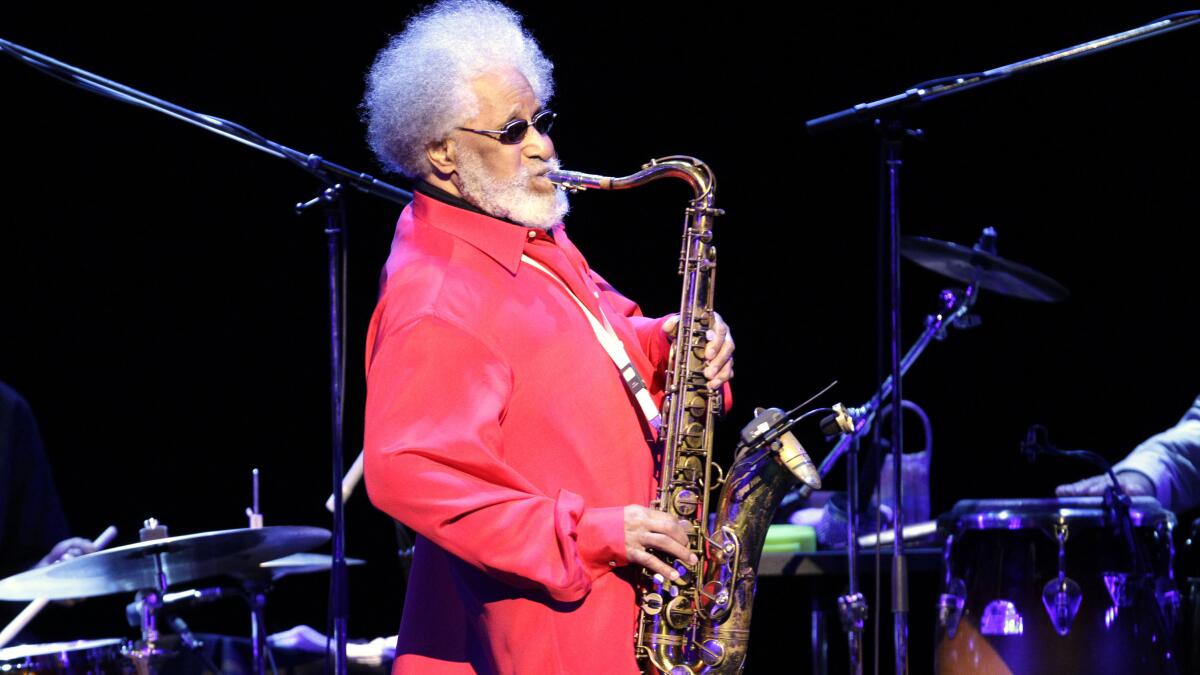
Top Summary
- What happened: Legendary jazz saxophonist Sonny Rollins died at his home in Woodstock, New York, at the age of 95.
- Why it matters: Rollins was a pioneering figure in jazz, known for his innovative improvisations and spiritual depth.
- What changes for people: The jazz world mourns the loss of one of its most influential voices.
- Who is affected: Musicians, fans, and anyone touched by Rollins' music will feel this loss.
A Jazz Colossus Departs
Sonny Rollins, a titan of jazz saxophone, has passed away at the age of 95. He died at his home in Woodstock, New York, on Monday. His spiritual journey included time spent in India.
Rollins' career spanned decades, marked by groundbreaking recordings and a deep exploration of musical and spiritual realms. He had a profound connection with India, seeking solace and understanding in its spiritual traditions.
India's Spiritual Allure
In 1968, Rollins embarked on a hiatus, seeking spiritual understanding in India. He arrived in Bombay (now Mumbai), specifically Powai, with his saxophone and a thirst for knowledge.
"I was drinking. I was smoking. I was using drugs. I didn’t have anything firmly that said: ‘Oh, this is it.’ So I was looking for spiritual uplift. I came upon yoga, taught myself, and then went to India to pursue it further at an ashram,"
he said.
Early Career and Breakthroughs
Rollins' musical journey began early, initially on piano before switching to saxophone. His mother gifted him his first saxophone at age seven.
His distinctive sound, reminiscent of Coleman Hawkins, quickly set him apart. He became a bandleader and released 21 albums between 1953 and 1959.
Innovations and Evolution
Rollins embraced bebop and avant-garde styles, constantly pushing boundaries. He recorded with jazz luminaries like Miles Davis, Thelonious Monk, and Bud Powell.
Albums like Tenor Madness (with John Coltrane) and Saxophone Colossus are considered classics. His compositions were known for their spontaneous, live creation.
Hiatus and Return
Rollins famously took breaks from performing to recharge and explore his music further. His affection for India remained strong. He performed Stevie Wonder’s Isn’t She Lovely at the inaugural Jazz Yatra in Bombay in 1978.
"A lot of people couldn’t comprehend why I would stop playing... But I learned something. It was necessary for me to do, to have the kind of confidence I need to play music like this."
Later Years and Legacy
The 1980s brought Rollins wider recognition, including an appearance on The Rolling Stones' Waiting on a Friend.
He faced criticism for incorporating new elements but remained true to his vision. Rollins credited his wife, Lucille Pearson, for her crucial role in his career.
Rollins received a lifetime achievement Grammy in 2004. He retired a decade later after being diagnosed with pulmonary fibrosis.
What to Watch Next
Expect tributes and memorial concerts to celebrate Rollins' life and music. His influence will continue to inspire generations of musicians. His recordings will ensure his legacy endures.