
Sonic booms could become a new tool to track falling space junk, scientists say
What happened: New research suggests that sonic booms created by falling space debris can be used to pinpoint where objects are descending. • Why it...
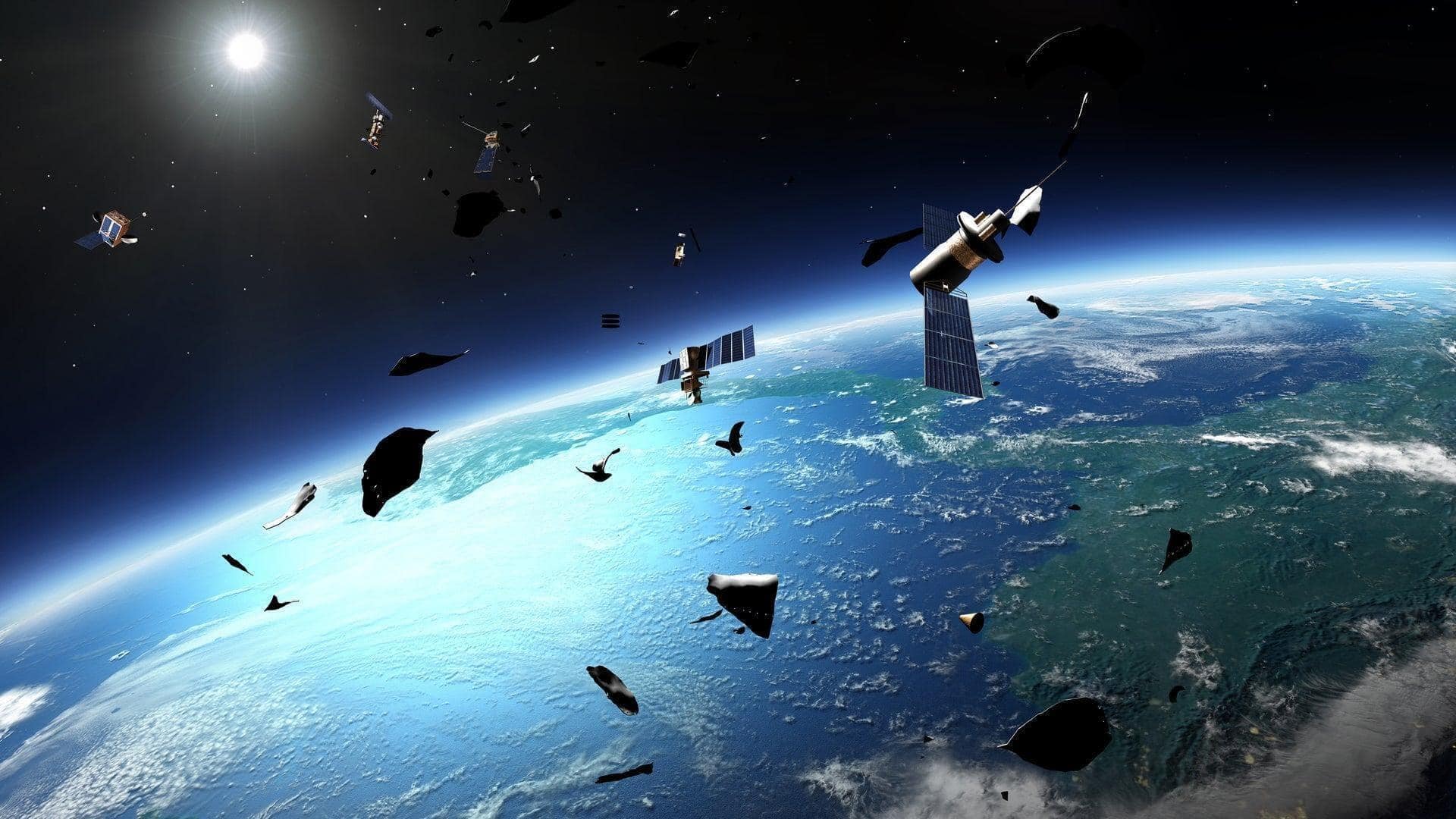
What happened: New research suggests that sonic booms created by falling space debris can be used to pinpoint where objects are descending.
• Why it matters now: With old satellites re-entering the atmosphere more than three times a day, accurate tracking is becoming urgent.
• What changes for people: Better tracking could help protect homes, infrastructure and aircraft from unexpected debris impacts.
• Who is affected: Space agencies, aviation authorities, coastal states and communities living under major re-entry paths.
As space activity surges, scientists are racing to solve one of the industry’s biggest threats: unpredictable space junk hurtling back toward Earth at nearly 29,000 km/h. A new study indicates that the powerful sonic booms generated during these re-entries could help track debris more accurately than current systems allow.
A growing danger in low-Earth orbit
Old satellites, defunct spacecraft modules and fragmented rocket parts are entering Earth’s atmosphere multiple times every day. While most material burns up, heavier components can survive and fall into populated regions. Space safety experts warn that these objects can carry toxic chemicals, cause fires, damage buildings, or in rare cases, injure people.
Traditional tracking methods often struggle because objects tumble, break apart, and shift direction unpredictably during descent.
How sonic booms may provide a breakthrough
According to the researchers behind the study, every object that pierces the atmosphere at high speed triggers a distinct acoustic signature. These shockwaves travel long distances and can be captured by ground sensors or specialised microphones.
Scientists say analysing these booms can:
• Help estimate the object’s size and velocity
• Narrow down the trajectory of re-entry
• Improve early warning alerts for communities beneath predicted paths
The method could complement radar and satellite monitoring, which sometimes lose track of fast-moving debris during break-up.
Why this matters for global safety
Space agencies, including ISRO, NASA and ESA, have repeatedly flagged the rising risk of uncontrolled re-entries as more private companies launch satellites. Countries in Asia, Africa and South America often sit under major re-entry corridors, making improved detection a global priority.
Aviation authorities also stand to benefit. Falling debris has crossed flight paths before, and better tracking could allow timely airspace closures.
What experts are saying
Researchers caution that sonic-boom analysis is still evolving. More sensors, better data-sharing, and international coordination will be required to make it a reliable tool. However, they stress that it is one of the most promising low-cost methods developed so far.