
Sensex and Nifty slip in early trade as foreign investors sell and global tensions rise
• What happened: Sensex and Nifty opened lower on 20 January amid heavy foreign investor selling and geopolitical stress.• Why it matters now: Markets are...
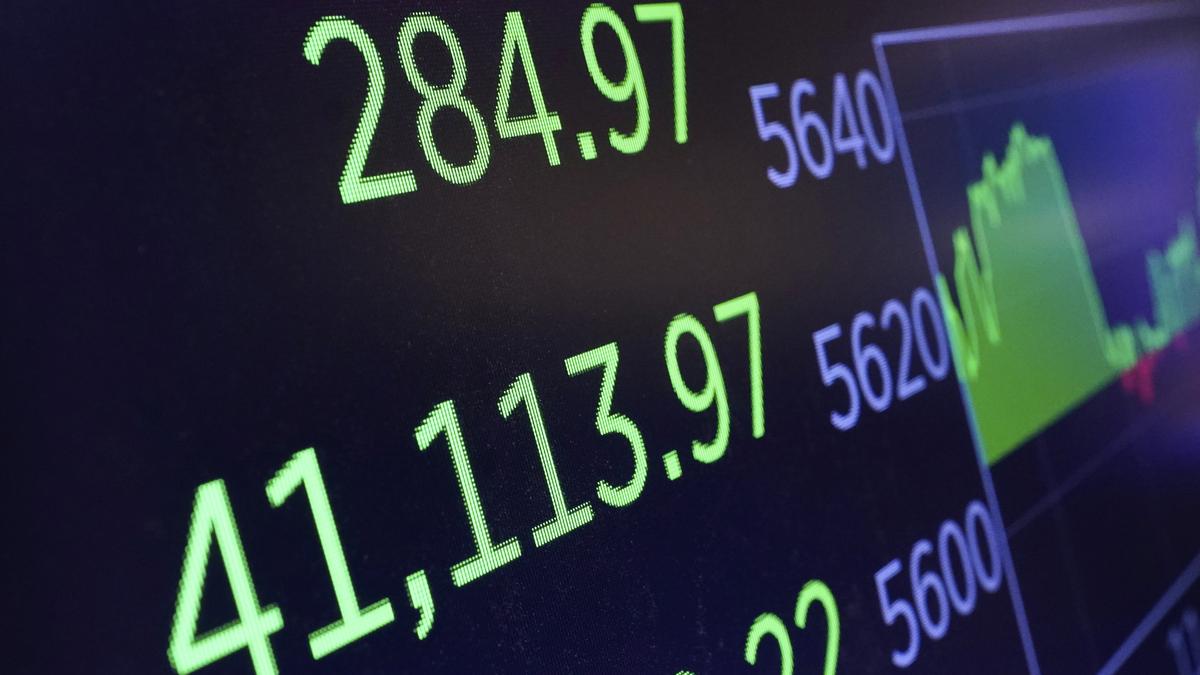
• What happened: Sensex and Nifty opened lower on 20 January amid heavy foreign investor selling and geopolitical stress.
• Why it matters now: Markets are reacting to global risk-off sentiment, currency weakness and oil volatility.
• What changes for people: Short-term equity gains may be limited and volatility could rise across sectors.
• Who is affected: Retail traders, long-term investors, fund managers and companies dependent on foreign capital.
Indian equities opened weaker on Tuesday as persistent foreign fund outflows and heightened geopolitical tensions pressured market sentiment, extending the cautious tone seen at the start of the week. The slide reflects a broader shift to safe-haven assets globally, leaving domestic markets vulnerable in the near term.
Key numbers at open
The BSE Sensex slipped 311.33 points to 82,934.85, while the NSE Nifty50 dropped 99.5 points to 25,486 in early trade.
Sectoral moves showed mixed participation. Bajaj Finance, Asian Paints, InterGlobe Aviation, Eternal, Trent and Bajaj Finserv were among the early laggards, while Kotak Mahindra Bank, SBI, UltraTech Cement and ITC posted gains.
Foreign capital exits continue
Latest exchange data indicates Foreign Institutional Investors (FIIs) offloaded equities worth Rs 3,262.82 crore on Monday, contributing to continued selling pressure.
On the other hand, Domestic Institutional Investors (DIIs) purchased Rs 4,234.30 crore, acting as a buffer against deeper losses. This DII buying trend has helped Indian markets stay relatively stable compared to peers despite foreign withdrawals.
Expert view: upside capped for now
Market analysts warn that external risks are limiting momentum. Ponmudi R, CEO of Enrich Money, said geopolitical tensions, ongoing foreign selling and rupee weakness are weighing on confidence and likely to cap meaningful upside even during short-term rebounds.
He added that steady domestic institutional buying remains a key stabiliser, helping absorb selling and soften drawdowns.
Global cues and commodities
Across Asia, early trade was mixed:
-
South Korea's Kospi traded higher
-
Japan's Nikkei 225, Shanghai's Composite and Hong Kong’s Hang Seng were lower
US markets were shut on Monday for a holiday, reducing overnight directional cues.
Meanwhile, Brent crude, the global benchmark, inched 0.11 percent higher to USD 64.01 per barrel, keeping energy-dependent sectors on watch.
Previous session recap
On Monday, the Sensex fell 324.17 points (0.39 percent) to 83,246.18, while the Nifty lost 108.85 points (0.42 percent) to 25,585.50, setting the weak tone for Tuesday’s open.
Why it matters for investors
For retail and domestic investors, the current setup suggests:
-
Higher short-term volatility
-
Sector-specific divergence driven by foreign outflows
-
Possible opportunities for accumulation if DIIs keep supporting declines
-
Sensitivity to geopolitics, USD strength, oil prices and FII flows
Portfolio managers may prefer selective exposure until global risk sentiment improves.