
Scientists Use Modified HIV to Repair Babies’ Immune Systems in Breakthrough Gene Therapy Study
A groundbreaking clinical study has demonstrated that a disabled form of HIV can be used as a delivery system to repair defective stem cells in...
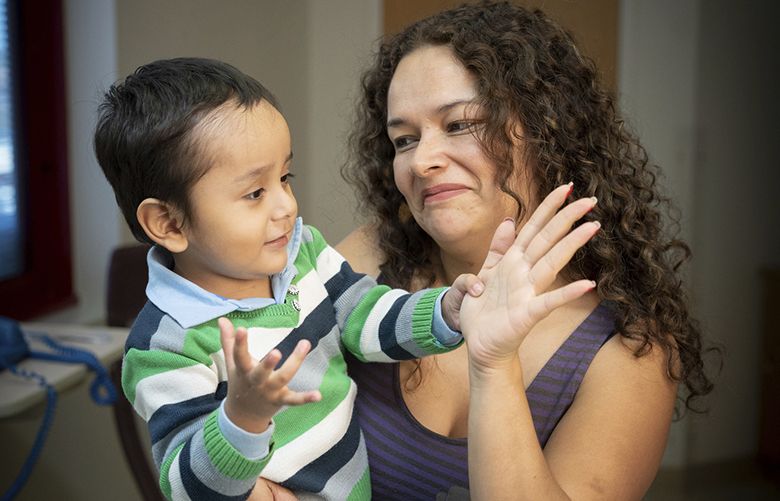
A groundbreaking clinical study has demonstrated that a disabled form of HIV can be used as a delivery system to repair defective stem cells in babies born with a rare immune disorder. The approach, tested in children like New Jersey–born Cora Oakley, offers a transformative alternative to bone-marrow transplants — the traditional but often limited treatment for Severe Combined Immunodeficiency (SCID).
A Deadly Condition Behind a Healthy Appearance
When Cora was born in Morristown, New Jersey, she appeared perfectly healthy. But routine tests revealed she had SCID, a genetic disorder that prevents the body from producing essential white blood cells. Even minor infections — a cold or a mild fever — can prove fatal.
SCID gained public attention through the 1976 film The Boy in the Plastic Bubble, and although modern care no longer requires isolation chambers, untreated children rarely survive beyond infancy.
Her mother, Chelsea Ferrier, recalled the shock: “It feels like your child looks fine on the outside, but inside, she has no defenses. She couldn’t even safely go outdoors.”
Limitations of Traditional Treatment
For decades, the only reliable therapy for SCID has been a bone-marrow transplant, ideally from a perfectly matched sibling donor. But many families — including Ferrier, whose daughter was her first successful pregnancy after years of miscarriages — don’t have a compatible donor.
In the United States, about 100 babies each year are born with SCID. More than 20 genetic mutations can cause the disorder, but Cora’s subtype, ADA-SCID, is one of the few forms currently targeted for experimental gene therapy.
Gene Therapy: Rebuilding Immunity from Within
In 2017, Ferrier learned about a clinical trial using a bold new method: scientists extract a patient’s stem cells, use a disabled HIV virus to insert a correct copy of the missing gene, and then reintroduce the repaired cells back into the child’s body. The virus acts only as a delivery vehicle — incapable of causing infection but highly effective at inserting genetic instructions.
Experts say this technology works because HIV naturally targets immune cells, making it an ideal vector once stripped of its harmful properties.
For families with no donor options, the trial represented a lifeline. “I would have done anything to get my daughter into that study,” Ferrier said.
Why the Breakthrough Matters
If long-term data continues to show success, gene therapy for ADA-SCID could:
-
Provide a curative alternative to bone-marrow transplants.
-
Reduce dependence on chemotherapy traditionally required before transplants.
-
Offer standardized treatment for families without matching donors.
-
Pave the way for gene therapies targeting other genetic immune disorders.
The U.S. National Institutes of Health and multiple academic centers are collaborating to refine the treatment and monitor long-term safety.
Broader Implications for Medicine
Using modified viruses to repair human genes marks a turning point in regenerative medicine. The success of ADA-SCID trials has inspired research into treatments for sickle cell disease, hemophilia, inherited blindness, and other genetic conditions.
However, experts caution that long-term monitoring is essential. Gene therapy must be proven safe for decades, particularly as it alters stem cells that persist throughout a patient’s life.