
Scientists Uncover Vast, Continent-Scale River Systems on Ancient Mars
For the first time, scientists have produced a comprehensive map revealing enormous, continent-sized river drainage systems on Mars, offering compelling new evidence that the Red...
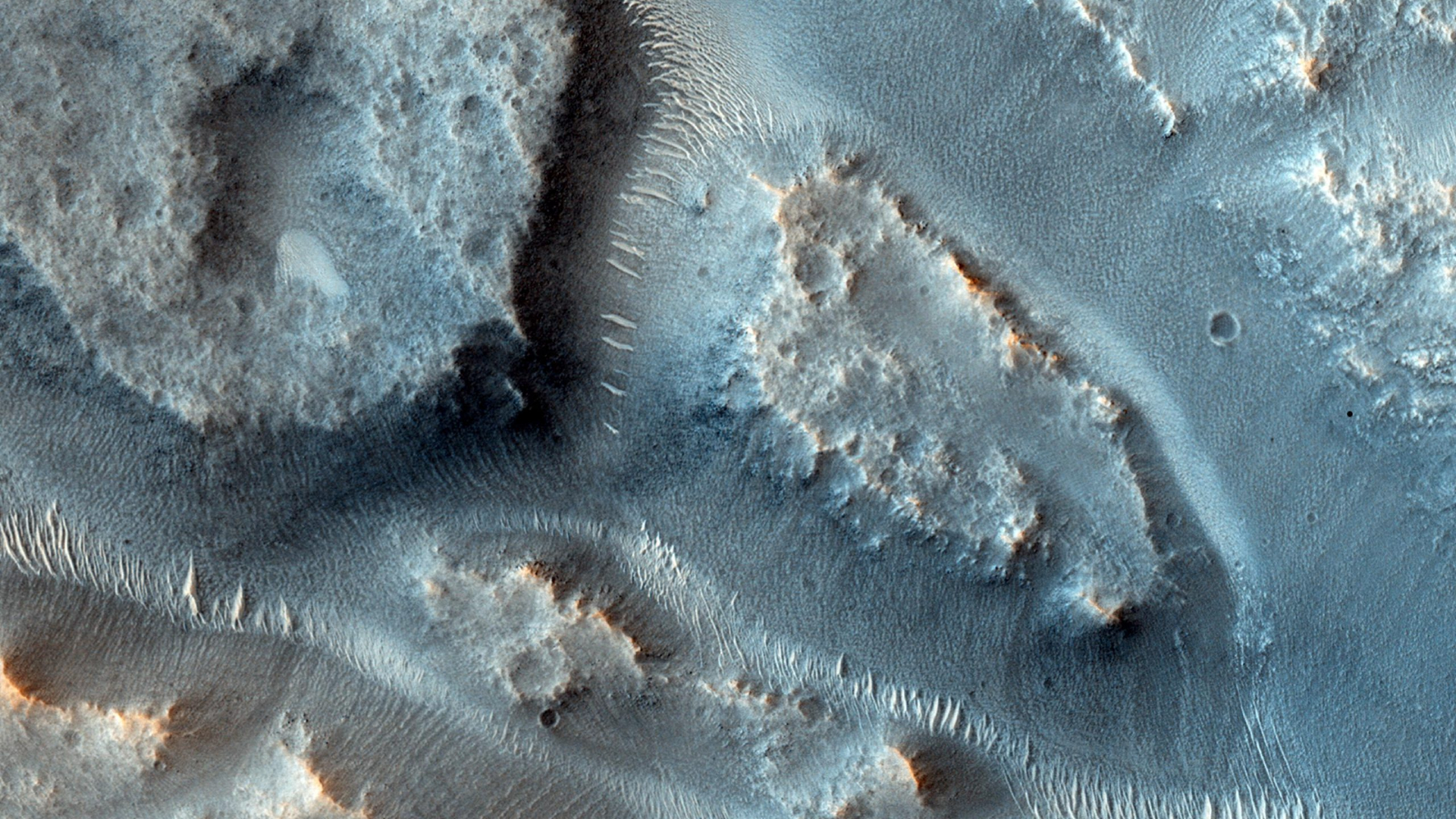
For the first time, scientists have produced a comprehensive map revealing enormous, continent-sized river drainage systems on Mars, offering compelling new evidence that the Red Planet once hosted flowing water on a scale comparable to Earth. The findings suggest that billions of years ago, Mars supported organized river networks capable of transporting water, nutrients, and possibly the chemical ingredients needed for life—making these regions prime targets in the search for past habitability.
A Wetter, More Dynamic Mars
Mars today is cold, arid, and seemingly lifeless. But geological evidence has long hinted at a very different past. Ancient valleys, dried-up channels, and eroded craters indicate that liquid water once shaped the planet’s surface. What remained unclear, however, was whether these features were isolated or part of large, interconnected river systems similar to those found on Earth.
The new study, reported by Space.com, fills this gap by demonstrating that early Mars had not just scattered streams, but vast, well-organized drainage basins spanning enormous areas.
Mapping Mars’ Lost Rivers
The research was conducted by a team led by Abdallah Zaki, a postdoctoral fellow in the Department of Earth and Planetary Sciences at the University of Texas at Austin, with Timothy Goudge, an assistant professor in the Department of Geological Sciences, as a senior contributor.
Using decades of data from Mars-orbiting spacecraft, including NASA’s Mars Odyssey, which has mapped more than 90 percent of the planet’s surface, the scientists combined detailed records of ancient valleys, lake beds, and stream-like features. Where craters, erosion, or volcanic activity had erased clear river traces, the team analyzed ground slopes and valley orientations to reconstruct how water likely once flowed.
“We’ve known Mars had rivers,” Goudge said in a university statement, “but we didn’t have a clear picture of how extensive or globally organized those drainage systems really were.”
Sixteen Giant Drainage Basins Identified
The analysis revealed 16 major river drainage basins, each covering at least 38,610 square miles—the minimum size used on Earth to define a large river basin. Collectively, these systems spanned roughly 1.5 million square miles, accounting for about 5 percent of Mars’ ancient surface.
Researchers caution that this is likely a conservative estimate. Over billions of years, meteor impacts, erosion, and volcanic processes have erased many surface features, meaning large portions of Mars’ original river networks may no longer be visible.
Why This Discovery Matters
The presence of massive, integrated river systems suggests that early Mars had a stable climate capable of sustaining flowing water over long periods, rather than brief, localized wet episodes. Such conditions are considered critical for life as we know it.
“These basins could have transported water, sediments, and nutrients across great distances,” Zaki explained, adding that such environments are among the most promising places to search for chemical or geological signs of ancient life.
Implications for Future Mars Exploration
The discovery has major implications for ongoing and future Mars missions. Identifying large, ancient drainage basins helps scientists narrow down locations where water once pooled or flowed persistently—key targets for rovers and sample-return missions aiming to answer one of humanity’s biggest questions: Was Mars ever alive?
As space agencies plan the next generation of exploration, these newly mapped river systems could guide where to look next on a planet that may once have been far more Earth-like than previously imagined.