
Scientists Spot ‘Platypus Galaxies’ in the Early Universe Using James Webb Telescope
What happened: Researchers at the University of Missouri have identified unusual early-universe objects dubbed “platypus galaxies.” Why it matters now: These galaxies challenge traditional ideas...
-
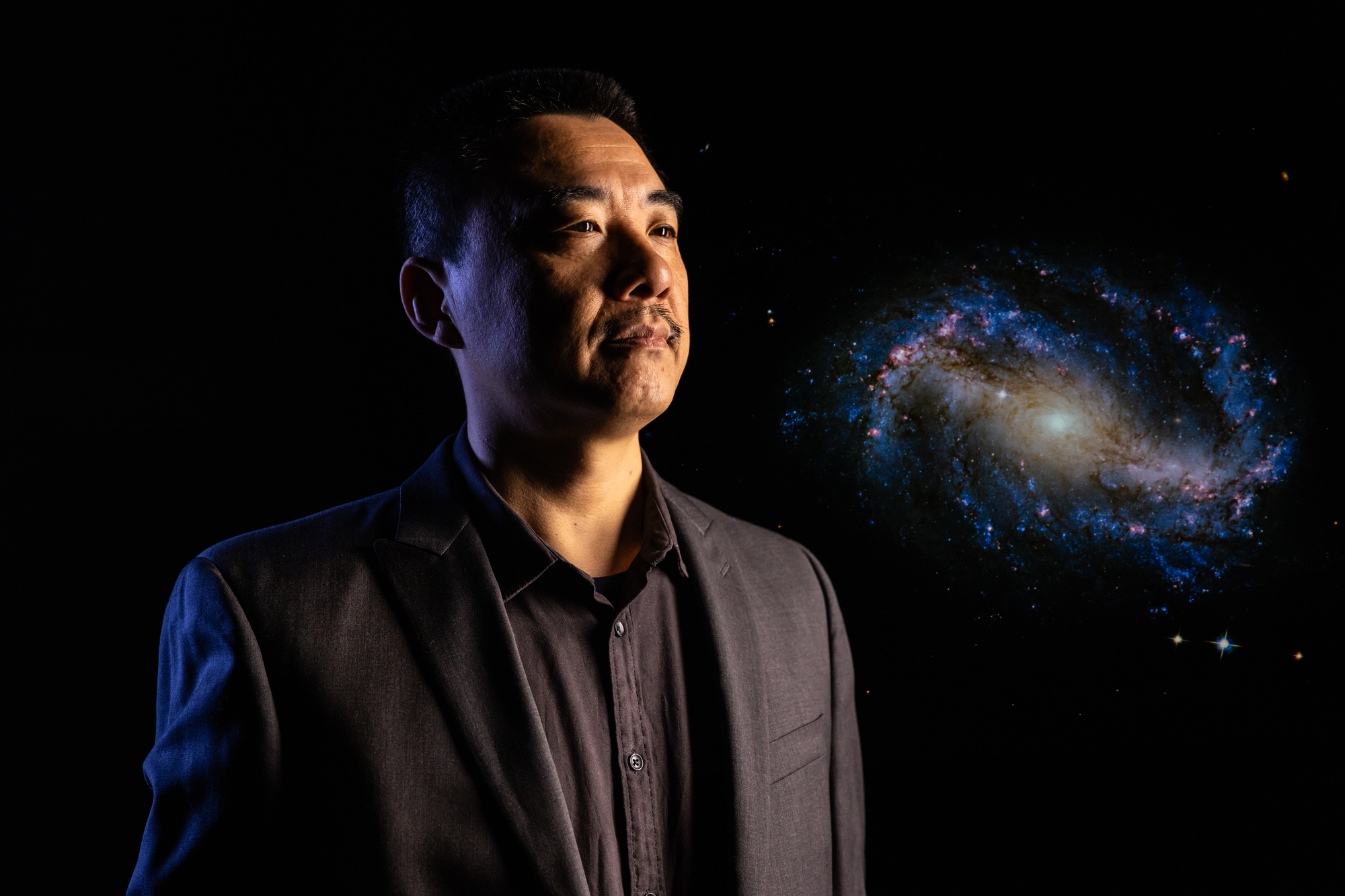
What happened: Researchers at the University of Missouri have identified unusual early-universe objects dubbed “platypus galaxies.”
-
Why it matters now: These galaxies challenge traditional ideas of how galaxies formed, showing a mix of features previously unseen.
-
What changes for people: Understanding these galaxies could reshape our knowledge of cosmic history and the universe’s evolution.
-
Who is affected: Astronomers, space scientists, and anyone following cutting-edge discoveries in astrophysics.
Using NASA’s James Webb Space Telescope (JWST), Haojing Yan and his team at the University of Missouri discovered a small group of cosmic objects that blur the line between stars, quasars, and galaxies. Unlike typical galaxies, these objects display narrow emission lines linked to star formation while also showing point-like features usually associated with stars or quasars.
Because of this unusual mix, the researchers nicknamed them “platypus galaxies,” referencing the animal known for combining traits from different species. “Each property alone is familiar, but together they form something completely new,” Yan explained.
The findings suggest these galaxies may have formed quietly, without the violent mergers traditionally thought necessary for galaxy creation. “This points to a more flexible, creative early universe than we imagined,” Yan added.
The discovery was presented at the 247th meeting of the American Astronomical Society, with contributions from graduate student Bangzheng ‘Tom’ Sun and undergraduate Riley Shive. Researchers now plan to collect spectroscopy data on hundreds of other objects to determine if more “platypus galaxies” exist. Spectroscopy breaks light into a rainbow, revealing details about the age, chemical composition, and star formation patterns of galaxies.
“If these are truly a new type of galaxy, it means we’ve been missing a key chapter in the universe’s story,” said Sun. Scientists caution that while the evidence is compelling, more research is needed to fully understand these strange new objects.