
Scientists May Have Solved Bermuda Mystery After Discovering Hidden Structure Beneath Island
Scientists believe they may have finally explained one of the biggest geological mysteries linked to Bermuda — why the island remains unusually elevated above the...
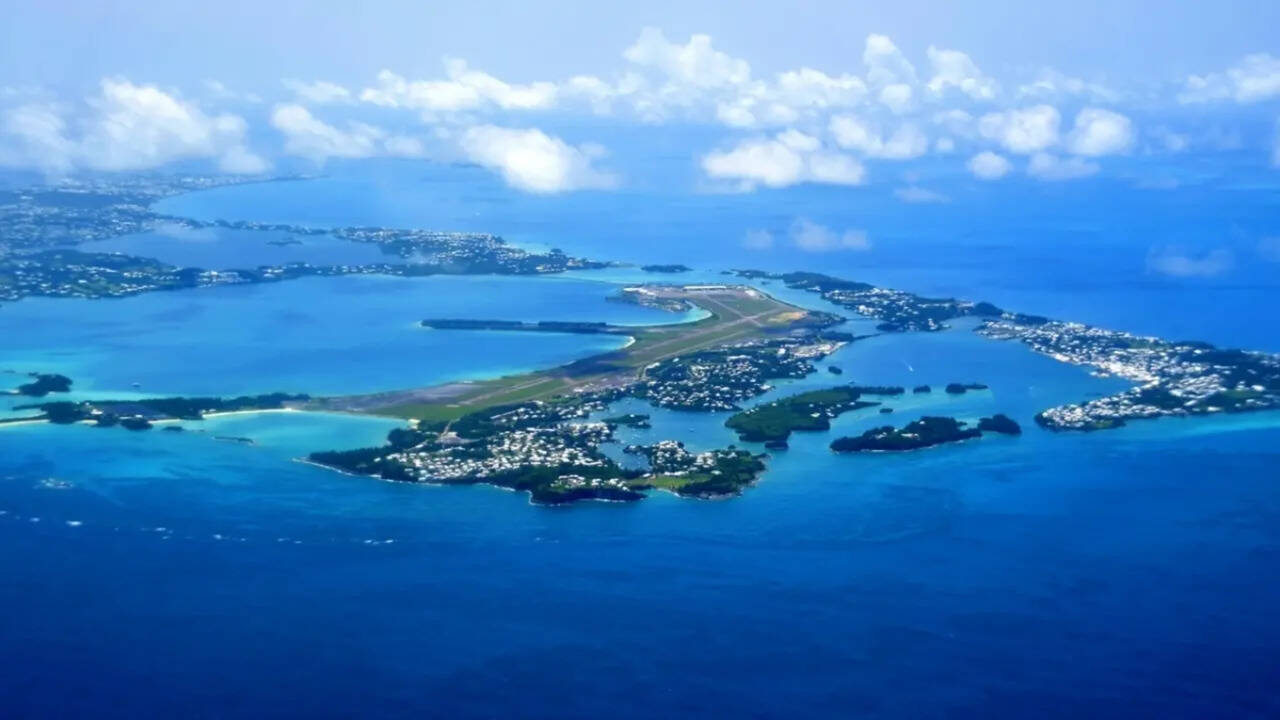
Scientists believe they may have finally explained one of the biggest geological mysteries linked to Bermuda — why the island remains unusually elevated above the Atlantic Ocean floor despite its volcanoes becoming inactive over 30 million years ago.
Researchers from Carnegie Science and Yale University have discovered a massive hidden rock structure beneath Bermuda that appears to act like a floating support system under the island.
- What happened
- Scientists used seismic waves from global earthquakes to study Earth’s interior beneath Bermuda.
- They discovered a low-density rock layer more than 12 miles thick beneath the island.
- The findings were published in the journal Geophysical Research Letters.
- Why it matters
- The discovery challenges traditional theories about how volcanic islands form and remain elevated.
- It may reshape scientific understanding of Earth’s mantle and underground geological activity.
- What scientists found
- Most volcanic islands are formed by rising mantle plumes, like those beneath Hawaii.
- But Bermuda appears to sit on a rare geological structure called an underplating.
- This lighter rock layer acts like a “raft,” helping keep Bermuda elevated above the seafloor.
- What changes
- Scientists may begin searching for similar hidden structures beneath other islands worldwide.
- The discovery could lead to new theories about Earth’s internal heat and mantle movement.
- Who is affected
- Geologists and Earth scientists
- Climate and planetary researchers
- Scientific institutions studying tectonic activity and volcanic formations
What to watch next:
Whether researchers discover similar underground formations elsewhere and how the findings influence future studies on Earth’s geological evolution and oceanic islands.