
Scientists Discover Southeast Asia’s Largest Dinosaur In Thailand
Scientists have unveiled a massive new dinosaur species named Nagatitan chaiyaphumensis, now officially recognised as the largest dinosaur ever discovered in Southeast Asia. The enormous...
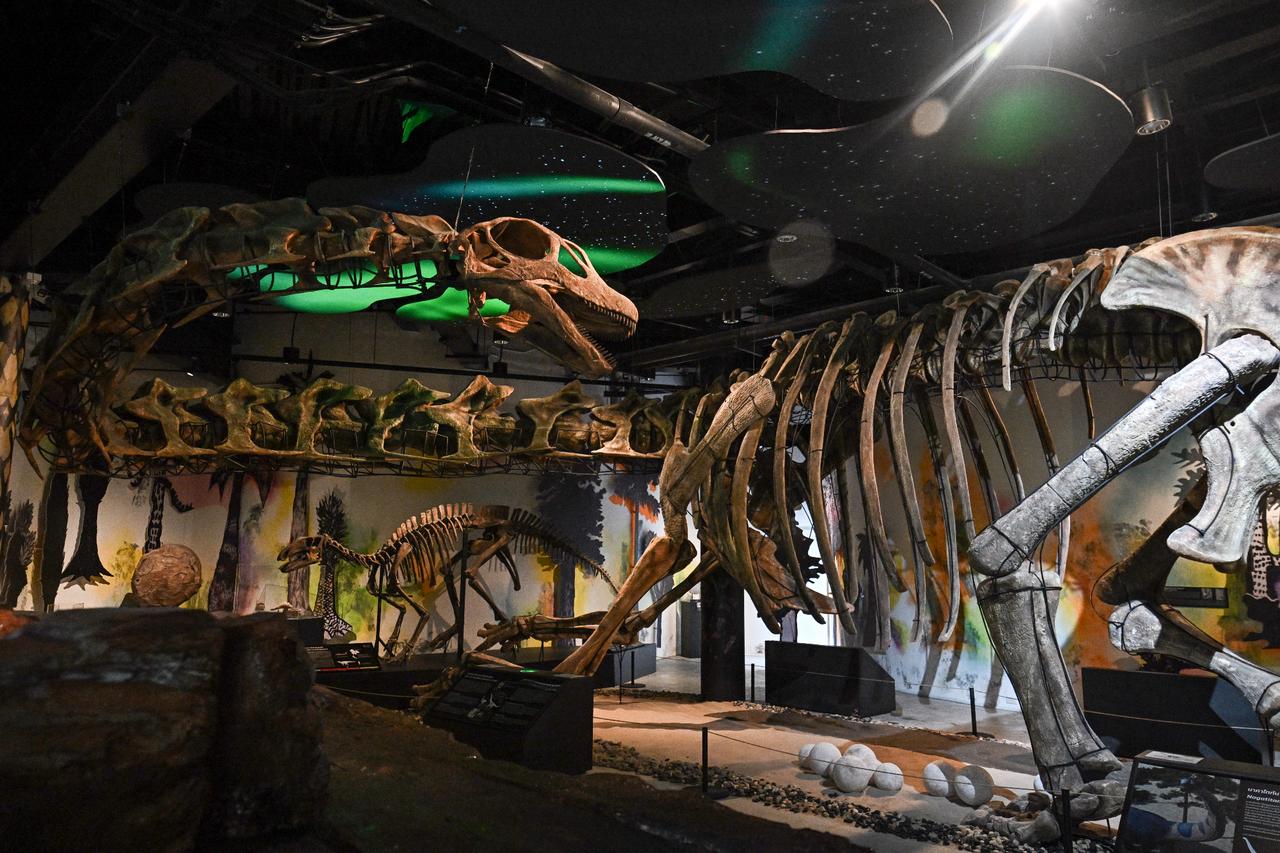
Scientists have unveiled a massive new dinosaur species named Nagatitan chaiyaphumensis, now officially recognised as the largest dinosaur ever discovered in Southeast Asia. The enormous plant-eating titan lived around 113 million years ago during the Cretaceous period in present-day Thailand.
Researchers estimate the dinosaur measured nearly 90 feet long and weighed between 25 to 28 tonnes.
- What happened
- Fossils of the giant dinosaur were discovered in Thailand’s Chaiyaphum province.
- Scientists identified the species as Nagatitan chaiyaphumensis.
- Excavations revealed parts of the pelvis, leg bones, and other skeletal remains.
- Why it matters
- The discovery provides new insights into prehistoric ecosystems in Southeast Asia.
- It also helps scientists study how giant dinosaurs evolved and survived during warmer climatic periods on Earth.
- About the dinosaur
- Nagatitan was a giant sauropod with a long neck, pillar-like legs, and a massive tail.
- It likely survived by consuming huge amounts of vegetation such as conifers and seed ferns.
- Researchers believe its enormous size protected it from predators.
- Climate connection
- Scientists say the dinosaur lived during a period of high global temperatures and elevated atmospheric carbon dioxide levels.
- The warmer climate may have supported the dense plant growth needed to sustain giant herbivores.
- What changes
- The finding strengthens Thailand’s importance in global dinosaur research.
- It may lead to more fossil exploration projects across Southeast Asia.
- Who is affected
- Paleontologists and climate researchers
- Museums and scientific institutions
- Students and enthusiasts interested in prehistoric life
What to watch next:
Further studies on Nagatitan’s biology, additional fossil discoveries in Thailand, and new research linking dinosaur evolution with ancient climate change.