
SC: Converts Lose Scheduled Caste Benefits, Upholds Hindu-Sikh-Buddhist Rule
Conversion to Christianity forfeits Scheduled Caste benefits, Supreme Court affirms.
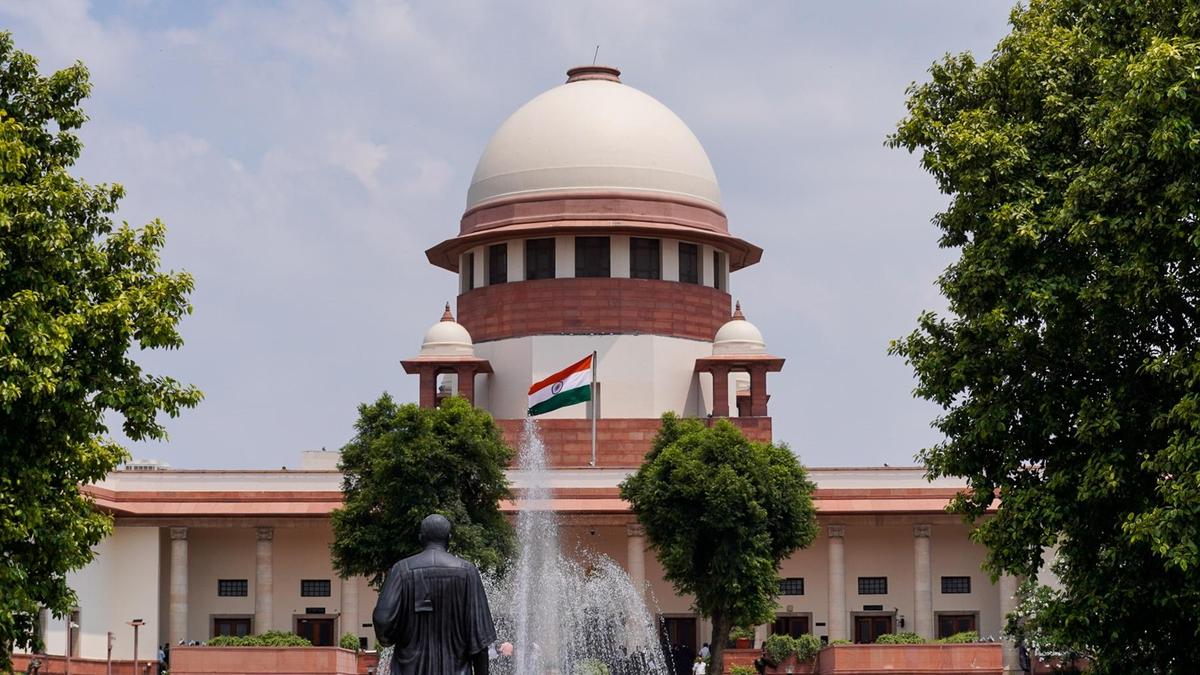
Top Summary
- What happened: The Supreme Court upheld an Andhra Pradesh High Court ruling that Scheduled Caste benefits are exclusive to Hindus, Sikhs, and Buddhists.
- Why it matters: This decision reinforces the religious criteria for availing Scheduled Caste reservations and protections under Indian law.
- What changes for people: Individuals converting to religions other than Hinduism, Sikhism, or Buddhism lose Scheduled Caste status and associated benefits.
- Who is affected: Converts to Christianity (and other non-qualifying religions) from Scheduled Castes, particularly concerning legal protections.
Supreme Court Affirms Religious Restriction on SC Status
The Supreme Court, on Tuesday, March 24, 2026, validated the Andhra Pradesh High Court's decision regarding Scheduled Caste status.
The ruling clarifies that only individuals professing Hinduism, Sikhism, or Buddhism can claim membership within a Scheduled Caste community.
Clause 3 of Constitution Order Upheld
The Bench, led by Justice P.K. Mishra, invoked Clause 3 of the Constitution (Scheduled Caste) Order, 1950.
This clause explicitly states that
"no person who professes a religion different from Hinduism shall be deemed to be a member of a Scheduled Caste".
The court emphasized that this restriction is absolute.
Impact on Converts and Legal Protections
The court determined that converting to a religion outside those specified in Clause 3 results in the loss of reserved category status.
Consequently, a Scheduled Caste individual who converts to Christianity, for example, cannot claim violations under the Scheduled Castes and the Scheduled Tribes (Prevention of Atrocities) Act.
Absolute Bar on Simultaneous Religious Practice
The Supreme Court stated that
"No statutory benefit, protection or reservation or entitlement under the Constitution or enactment of Parliament or State legislature can be claimed by or extended to any person who by operation of Clause 3 is not deemed to be a member of the Scheduled Caste. This bar is absolute and admits no exception. A person cannot simultaneously profess and practice a religion other than the one specified in Clause 3 and claim membership of the Scheduled Caste,"
The decision arose from a case involving an individual who converted to Christianity, became a pastor, and subsequently filed a case under the Scheduled Caste and Scheduled Tribe (Prevention of Atrocities) Act following an alleged assault.
What to Watch Next
Future cases will likely further clarify the interpretation and application of this ruling, potentially leading to adjustments in policies concerning religious conversion and Scheduled Caste status. Monitoring related legislative actions and social justice movements will provide insight into the evolving landscape of reservation policies in India.