
Saks Global Files for Bankruptcy Two Years After Neiman Marcus Deal, Spotlight on US Retail Collapse
What happened: Saks Global has filed for bankruptcy, just two years after acquiring Neiman Marcus. Why it matters now: The collapse highlights the accelerating crisis...
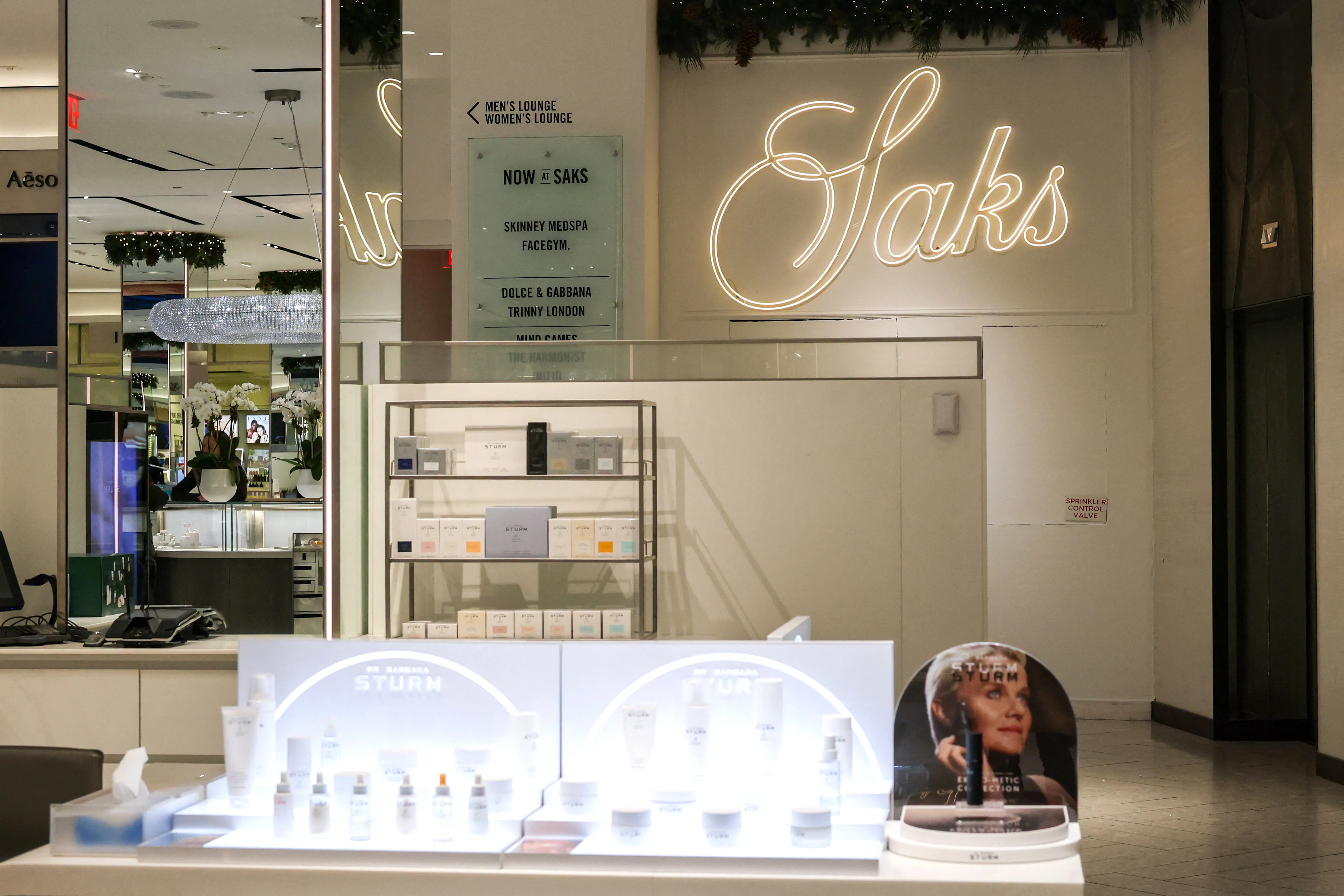
What happened: Saks Global has filed for bankruptcy, just two years after acquiring Neiman Marcus.
Why it matters now: The collapse highlights the accelerating crisis in US legacy retail, driven by online and big-box competition.
What changes for people: Store closures, job uncertainty, and reduced luxury retail presence are now likely.
Who is affected: Retail workers, mall operators, suppliers, and luxury shoppers across the United States.
Another Major Name Falls in US Retail Shakeout
Saks Global, the parent company behind Saks Fifth Avenue, has filed for bankruptcy protection, marking a dramatic turn just two years after its high-profile acquisition of Neiman Marcus.
The filing underscores the deepening challenges facing traditional American retailers, many of which are struggling to survive amid rising costs, shifting consumer habits, and relentless online competition.
Why the Neiman Marcus Deal Failed to Deliver Stability
When Saks acquired Neiman Marcus, the deal was positioned as a move to create a luxury retail powerhouse capable of competing with digital-first rivals. Instead, industry analysts say the merger added debt pressure and operational complexity at a time when foot traffic was already declining.
Experts point to high operating costs, premium real estate leases, and slower online adaptation as key factors that weakened the combined business.
Bigger Picture: A Brutal Retail Landscape
Over the past few years, several high-profile US retail chains have collapsed or sought bankruptcy protection as consumers increasingly shift to e-commerce platforms and big-box retailers.
Key pressures reshaping the sector include:
Aggressive pricing and convenience from online marketplaces
Inflation-driven cost increases affecting rent, wages, and logistics
Changing shopping habits, especially among younger consumers
Retail analysts say luxury brands are not immune, as even high-income shoppers now expect seamless digital experiences.
Impact on Jobs and Commercial Real Estate
The bankruptcy filing raises concerns about:
Potential store closures in premium shopping districts
Job losses across sales, logistics, and support roles
Increased strain on shopping malls and high-street locations already facing vacancies
Mall operators and suppliers tied to Saks and Neiman Marcus are expected to closely monitor restructuring plans.
What the Company Has Said
In bankruptcy filings, the company indicated the move was aimed at restructuring debt and stabilising operations. Executives said stores will continue operating during the process, though long-term outcomes remain uncertain.
Industry experts caution that bankruptcy does not guarantee survival, especially in a sector undergoing structural transformation.
Why This Matters Beyond Fashion
The fall of another iconic retailer reflects a broader shift in the US economy, where legacy brands face mounting pressure to reinvent or exit. Policymakers and local governments are also watching closely, given the impact on employment and urban commercial spaces.