
Rupee Plummets to Record Low: Hits ₹96.20 Against US Dollar Amid Iran War Fears
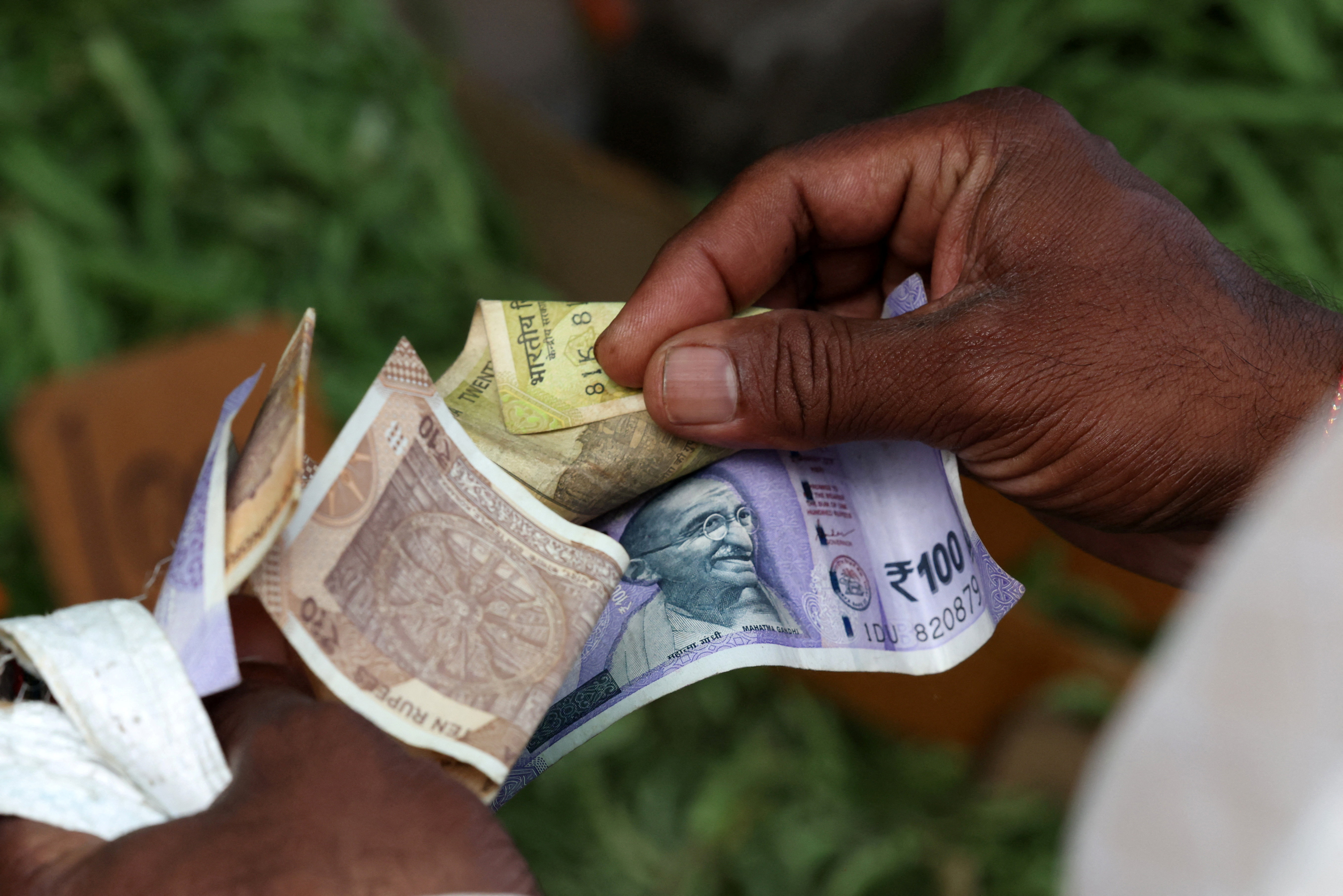
The rupee hit a new low of ₹96.20 against the dollar amid Middle East tensions.
Top Summary
- What happened: The Indian rupee weakened to a record low of ₹96.20 against the US dollar.
- Why it matters: This decline raises concerns about India's macroeconomic stability and potential economic slowdown.
- What changes for people: Rising import costs and potential inflationary pressure could impact consumers and businesses.
- Who is affected: Investors, importers, and the overall Indian economy are affected by the rupee's depreciation.
Rupee's Record Fall
The rupee continued its downward trend on Monday, reaching an all-time low of ₹96.20 against the US dollar. This represents a 0.2% decrease from its previous closing value.
Since the beginning of the Iran war, the rupee has fallen by 5.5%.
Geopolitical Tensions and Oil Prices
The ongoing conflict in the Middle East is contributing to market instability. Brent crude oil prices surged to $111 a barrel following reports of an attack on a nuclear power plant in the UAE.
Possible military actions against Iran, considered by US President Donald Trump, are adding to the uncertainty.
Impact on Indian Economy
The rupee's slide has intensified worries about India's macroeconomic outlook. Concerns include a growing trade deficit and weak capital inflows.
"The ongoing geopolitical uncertainty and energy-driven macro pressures continued to fuel strong dollar demand globally, pushing the rupee beyond the Rs 96 mark," said Ponmudi R, CEO of Enrich Money.
He further added that the currency weakness raises investor anxiety over India's rising import bill, worsening inflation, and a potential economic slowdown.
Market Reaction
Dalal Street reflected the negative sentiment, with benchmark indices experiencing declines. Nifty50 opened at 23,396.45, a decrease of 247 points or 1.04%. BSE Sensex started at 74,430.35, down 808 points or 1.07%.
Government and RBI Measures
Authorities have implemented measures to curb the rupee's decline. These include restrictions on precious metals imports.
- Restrictions on silver imports were implemented over the weekend.
- Import tariffs on silver and gold had been lifted recently.
The Reserve Bank of India (RBI) has intervened in currency markets and tightened rules around banks’ net open positions.
"In the near term, growing balance of payments pressures will have to be absorbed across multiple instruments: rupee depreciation, FX intervention, incentivising capital flows and compressing the current account," economists at JP Morgan said in a note.
Future Outlook
Currency traders anticipate continued depreciation pressures this week. RBI intervention will likely play a key role in managing the rupee's losses.
What to Watch Next
Monitor upcoming geopolitical developments in the Middle East and their impact on global oil prices. Keep an eye on the RBI's further interventions in the currency market and any new policy measures to stabilize the rupee.