
Rupee Falls to Record Low Despite India’s Strong GDP Surge; Trade Concerns Deepen
The Indian rupee slipped to a lifetime low on Monday, as ongoing trade and portfolio pressures outweighed the optimism from India’s stronger-than-expected economic growth. The...
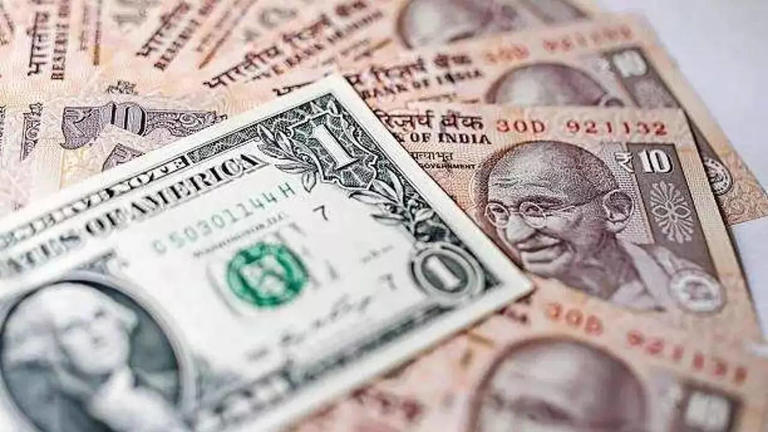
The Indian rupee slipped to a lifetime low on Monday, as ongoing trade and portfolio pressures outweighed the optimism from India’s stronger-than-expected economic growth.
The currency weakened to ₹89.73 per U.S. dollar, breaching its previous record of 89.49 set just two weeks earlier.
The decline came hours after India reported a blowout 8.2% GDP growth for the September quarter — far above the 7.3% predicted in a Reuters poll. Yet, analysts say the stellar growth print failed to provide meaningful support for the currency.
Why the Rupee Is Falling
Bankers and traders pointed to multiple pressures on the rupee:
-
No progress on the long-discussed U.S.–India trade deal, keeping sentiment weak.
-
Increased importer hedging, adding demand for dollars.
-
A less supportive balance of payments, with large trade deficits.
-
Maturities in the non-deliverable forwards (NDF) market adding short-term pressure.
-
Intermittent dollar selling by state-run banks, likely on behalf of the central bank, to slow the decline.
Economists at J.P. Morgan said a “calibrated” rupee depreciation is “inevitable and desirable” in the current global environment.
They added that without a trade deal, depreciation becomes a key adjustment mechanism for India’s external sector.
Tariff Delays, Weak Flows Weigh on Sentiment
Expectations had risen last month that steep 50% U.S. tariffs on Indian exports would soon be eased, but the absence of a concrete agreement has dampened sentiment.
The high tariff regime has hurt both trade flows and foreign portfolio inflows, leaving the rupee dependent on the Reserve Bank of India’s support.
Foreign investors have withdrawn more than $16 billion from Indian equities so far this year.
Meanwhile, India’s merchandise trade deficit surged to a record high in October, adding further stress to the currency.