
Rs 10 Bribe Spark: TN Engineer's Platform Unmasks Widespread Corruption
A Chennai engineer's experiment to expose Rs 10 overcharging at liquor shops has evolved into a major platform for public grievances against corruption in Tamil...
Top Summary
- What happened: A Chennai-based software engineer launched a public-interest website to chronicle overcharging at government liquor shops, which rapidly expanded to cover a broad spectrum of public grievances and corruption across various government sectors.
- Why it matters: The initiative illuminated the pervasive nature of minor corrupt practices and the public's significant demand for a reporting mechanism, drawing attention from senior officials and highlighting systemic issues.
- What changes: Citizens now have an accessible and dedicated digital platform to report corruption in diverse government services, potentially fostering greater accountability and transparency in public administration across the state.
- Who is affected: Ordinary citizens encountering daily corruption, government officials across numerous departments (including TASMAC, land registration, electricity, and local bodies), and the broader public administration system in Tamil Nadu are directly impacted.
The Rs 10 Catalyst: A Software Engineer's Quest
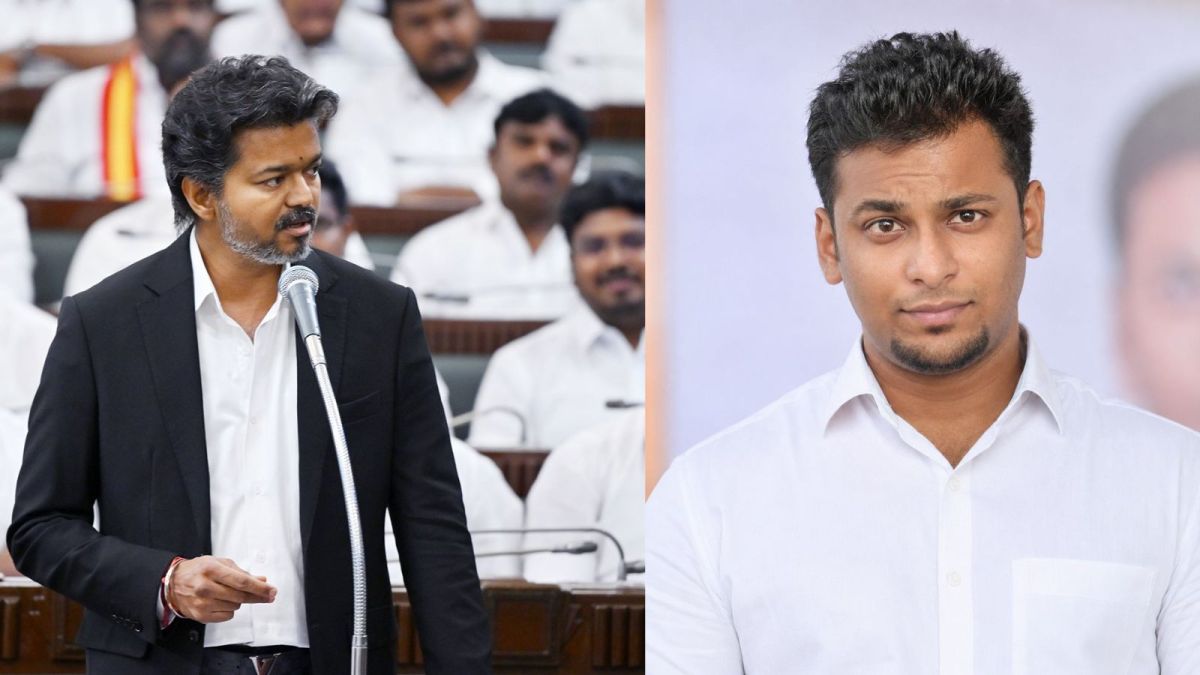
In Chennai, a 30-something software engineer named Deepak, who works for a multinational company, embarked on a significant public-interest experiment. On the very day Chief Minister C Joseph Vijay took his oath, Deepak was not among the celebrants; instead, he was launching a crucial new website.
For months, Deepak had diligently listened to a complaint that resonated across Tamil Nadu. This particular grievance was so ubiquitous that many people had, regrettably, stopped treating it as an act of corruption at all.
The issue at hand was the habitual collection of an extra Rs 10 for a bottle of liquor at numerous government-run TASMAC outlets. This seemingly small amount created widespread frustration among ordinary citizens.
"That Rs 10 was one of the issues people spoke about everywhere," Deepak explained. "It was one of the things that created huge anger among ordinary people. I wanted to know how widespread it really was."
Deepak’s objective was clear: to empirically map the true extent of this pervasive overcharging, turning anecdotal evidence into concrete data. His platform aimed to give a voice to those silently enduring these minor, yet infuriating, daily acts of corruption.
From Liquor Overcharging to Public Outcry
The website Deepak launched was designed for simplicity and accessibility. It provided a straightforward interface where people could easily report TASMAC shops allegedly charging above the maximum retail price (MRP).
What happened next genuinely surprised Deepak and underscored the depth of public frustration. Within mere days of the site's launch, nearly 10,000 unique visitors accessed the platform, eager to engage with the initiative.
Approximately 300 distinct complaints swiftly arrived, providing tangible evidence of the problem. Many of these reports were remarkably detailed, some even naming specific shops involved in the overcharging, while others attached photographs as corroborating evidence.
The impact of this grassroots initiative quickly reached official circles. A senior IAS officer contacted Deepak on just the third day, not to question the site, but to express appreciation for his innovative idea. Simultaneously, TASMAC officials also became acutely aware of the platform and the growing volume of public grievances it was collecting.
This early engagement from both the public and state officials signaled the nascent platform's potential as a powerful tool for transparency and accountability in government services.
Expanding the Ambit of Grievances
As the complaints continued to pour into Deepak’s initial site, a significant and unforeseen trend began to emerge. A substantial number of the reports had little to do with the specific issue of liquor overcharging.
This broader feedback made Deepak realize that the underlying frustration extended far beyond TASMAC outlets. People were eager to talk about systemic issues and corruption across a much wider array of public services.
Recognizing this critical need, Deepak decided to significantly broaden the scope of his initiative. He subsequently launched a second dedicated website, specifically designed to examine and chronicle corruption across numerous different sectors of public administration.
On this new platform, citizens began sharing a diverse range of grievances. They wanted to talk about pervasive issues encountered during land registrations, within revenue offices, and concerning electricity connections. Complaints also highlighted problems with village panchayats and local bodies.
Furthermore, the expanded platform captured concerns regarding inefficient or corrupt practices in police stations, delays in obtaining death certificates, issues within government hospitals, and frustrating experiences with delayed files and missing approvals. This comprehensive outpouring underscored the widespread demand for greater transparency and accountability in everyday governance.
What to Watch Next
The sustained momentum and expanding scope of Deepak's platform could exert further significant pressure on various government departments across Tamil Nadu to address systemic corruption. Future developments may include more structured official responses to the voluminous data collected, potentially leading to targeted administrative actions and crucial policy reforms. The long-term impact on public service delivery and governmental transparency in the state will be closely observed.