
Reliance Resumes Russian Oil Imports via Non-Sanctioned Routes, Gets Temporary US Waiver
Reliance Industries Ltd (RIL) has resumed buying discounted Russian crude oil, sourcing supplies from non-sanctioned sellers to feed its Jamnagar refinery complex in Gujarat, according...
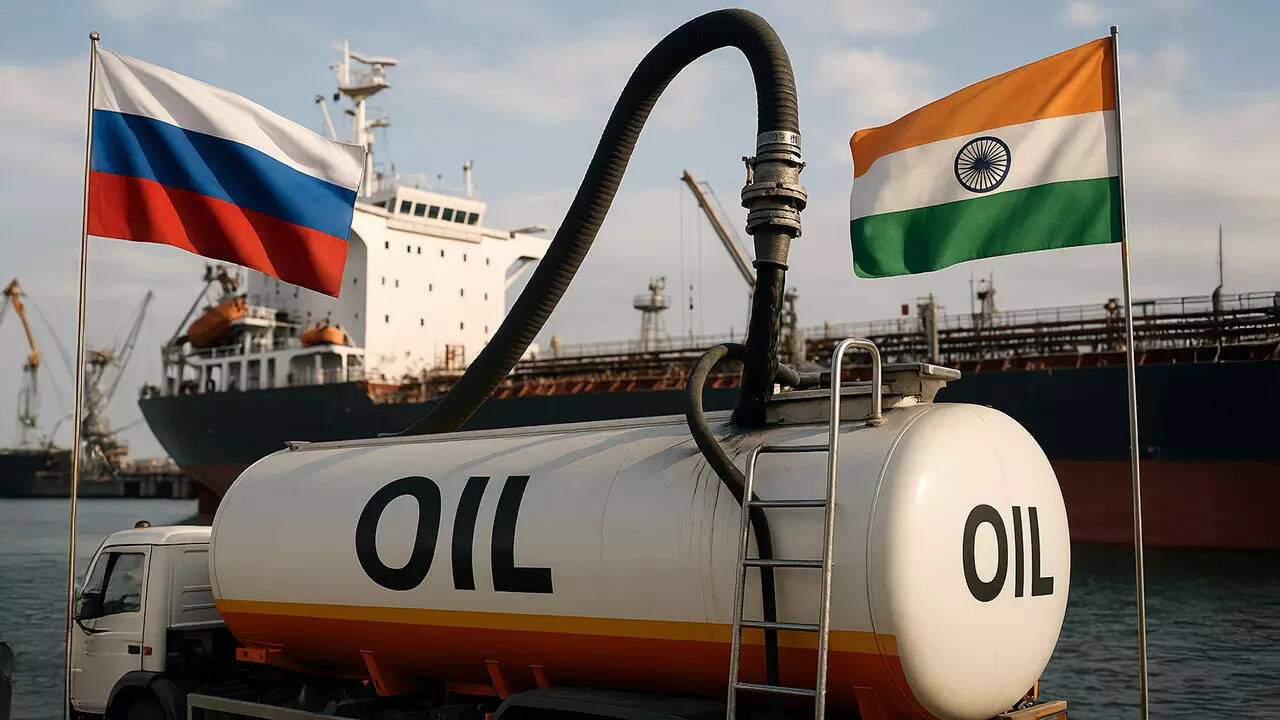
Reliance Industries Ltd (RIL) has resumed buying discounted Russian crude oil, sourcing supplies from non-sanctioned sellers to feed its Jamnagar refinery complex in Gujarat, according to company sources and shipping data. The move comes as Indian refiners navigate new US sanctions on major Russian oil producers while seeking to secure affordable energy supplies.
In addition, Reliance received a one-month concession from the United States allowing it to take delivery of previously contracted cargoes from sanctioned Russian oil major Rosneft, the company confirmed.
Sanctions Trigger Temporary Halt
Reliance had paused Russian crude purchases after Washington imposed sanctions on Rosneft PJSC and Lukoil PJSC on October 22, giving global refiners a 30-day window to wind down transactions with the two producers.
According to the company, the last sanctioned cargo was loaded on November 12 and scheduled for delivery at a later date, falling within the permitted wind-down period.
Since November 22, however, Reliance has received around 15 cargoes of Russian crude, data from energy analytics firm Kpler shows. These shipments are understood to be sourced from non-sanctioned Russian entities, allowing the refiner to stay compliant with US restrictions.
Company Clarification
A source familiar with the matter said Reliance is not using the waiver to place new orders with Rosneft, stressing that the concession was sought only to complete contracts signed before the sanctions were announced.
“We needed additional time to import volumes that were already contracted before the sanctions came into force,” the source said, adding that the final Rosneft cargo had been loaded on November 12. The source declined to comment on procurement from non-sanctioned Russian suppliers.
Bloomberg reported that Reliance has chartered Aframax tankers from RusExport and is directing Russian crude to its 660,000-barrel-per-day refinery, which primarily supplies the domestic Indian market.
Impact on India’s Russian Oil Intake
Reliance’s return to the market is expected to partially offset a sharp drop in India’s Russian oil imports, which officials have warned could fall by more than half this month due to sanctions-related disruptions.
The global oil market has been closely watching Russian export flows after the US targeted Moscow’s two largest producers in an effort to curb revenues funding the war in Ukraine. The sanctions have forced Indian refiners to rely on non-sanctioned Russian sellers or turn to costlier alternatives from other regions.
Jamnagar’s Dual Refinery Strategy
Reliance operates two major refining units at Jamnagar:
-
A 660,000-barrel-per-day refinery focused on domestic fuel supply
-
A 700,000-barrel-per-day export-oriented refinery
The export-focused unit last received a Russian crude shipment on November 20, the company said previously. Since then, all Russian oil imports have been directed exclusively to the domestic refinery.
Imports Expected to Fall Sharply
Despite Reliance’s partial resumption, Indian officials estimate that the country’s crude imports from Russia could decline to around 800,000 barrels per day, down from an average of 1.9 million barrels per day in November, as refiners scale back exposure to sanctioned entities.
The evolving situation underscores the delicate balancing act for Indian refiners—maintaining energy security and cost efficiency while complying with tightening Western sanctions on Russia’s oil sector.