
Rebuilding Coral Reefs Could Unlock Millions of Meals, Scientists Say
New research shows overfished coral reefs are producing far less food than their natural potential. Why it matters now: Allowing reef fish populations to recover...
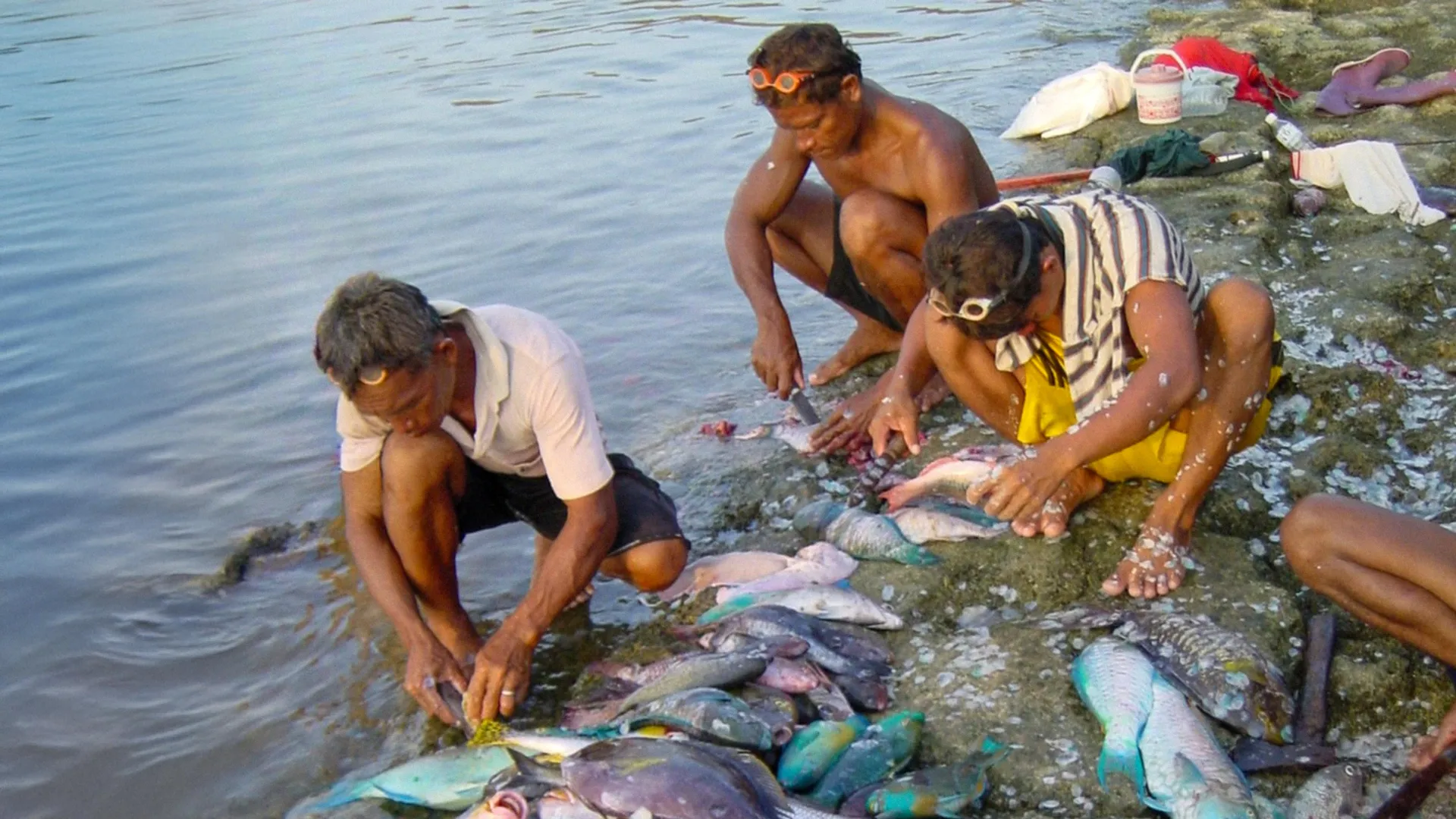
New research shows overfished coral reefs are producing far less food than their natural potential.
Why it matters now: Allowing reef fish populations to recover could raise sustainable fish yields by nearly 50%.
What changes for people: Healthier reefs could provide millions of additional meals every year, especially in food-insecure regions.
Who is affected: Coastal communities, small-scale fishers, and countries facing hunger and nutrient deficiencies.
Coral reefs, often viewed only as fragile ecosystems, could become a major solution to global hunger if given the chance to recover. Researchers say decades of overfishing have drastically reduced the amount of food reefs can sustainably provide, even though their natural productivity is much higher.
The findings suggest that protecting and rebuilding reef ecosystems could transform ocean conservation into a direct tool for food security.
Overfishing has cut reef food potential
Scientists found that many coral reefs are currently operating well below their capacity to produce edible fish. Intensive fishing pressure has reduced fish populations to levels where reefs can no longer replenish stocks efficiently.
As a result, communities that rely on reef fisheries are missing out on a significant and renewable food source.
A 50% boost if reefs are allowed to recover
According to the research, allowing reef fish populations to rebuild could increase long-term, sustainable fish harvests by nearly 50%. This would translate into millions of extra meals annually, without expanding fishing areas or increasing effort.
Experts underline that this gain comes from better management, not from exploiting reefs more aggressively.
Biggest gains for the most vulnerable countries
The study highlights that nations with high levels of hunger and micronutrient deficiencies stand to benefit the most. Reef fish are rich in protein and essential nutrients, making them especially valuable for coastal populations with limited food options.
In these regions, healthier reefs could directly improve nutrition, livelihoods, and resilience.