
RBI Proposes Doubling Collateral-Free Loans for MSMEs to ₹20 Lakh to Boost Credit Access
The central bank’s latest move aims to ease financing pressure on small businesses by expanding unsecured lending limits and encouraging banks to support growth-driven enterprises....
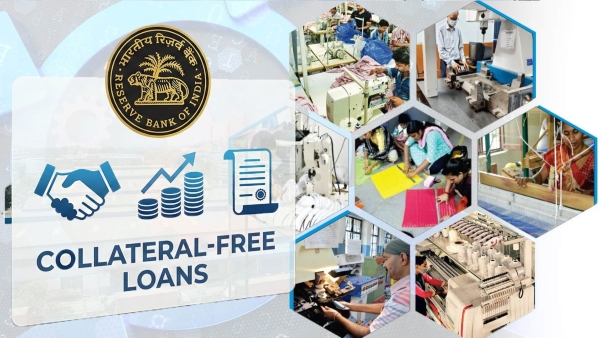
The central bank’s latest move aims to ease financing pressure on small businesses by expanding unsecured lending limits and encouraging banks to support growth-driven enterprises.
What happened:
-
The Reserve Bank of India has proposed increasing the collateral-free loan limit for MSMEs from ₹10 lakh to ₹20 lakh, aiming to improve access to formal credit.
Why it matters now:
-
Many micro and small businesses struggle to secure loans due to lack of collateral, even when their operations are profitable and job-creating.
What changes for people:
-
Small entrepreneurs could find it easier to access working capital without pledging assets, potentially reducing reliance on high-interest informal borrowing.
Who is affected:
-
MSME owners, startups, banks, NBFCs, suppliers, and employees across manufacturing, services, and local trade sectors.
RBI’s push to unlock credit for small businesses
In a significant policy proposal, the Reserve Bank of India has suggested doubling the ceiling for collateral-free lending to MSMEs. The move is designed to strengthen the flow of institutional finance to businesses that often lack property or fixed assets to secure loans.
Key fact: The new limit would allow eligible businesses to access up to ₹20 lakh in unsecured credit, potentially widening financial inclusion within the sector.
The proposal comes as policymakers seek to accelerate economic growth by empowering smaller enterprises that play a major role in employment generation.
Why MSMEs need easier access to finance
Limited access to formal lending has long been a challenge for India’s MSME ecosystem. Many businesses rely on informal lenders due to strict collateral requirements from banks.
By raising the unsecured lending cap, the RBI hopes to:
-
Encourage banks to lend more confidently to smaller firms
-
Support business expansion and day-to-day working capital needs
-
Reduce dependency on high-cost borrowing channels
Experts say easier access to credit could help MSMEs scale operations, adopt new technologies, and strengthen supply chains.
Banks may see new opportunities — and risks
For lenders, the proposed change could expand their MSME portfolios, a segment seen as vital for long-term economic growth. However, unsecured lending also carries higher risk, making credit assessment and monitoring crucial.
Financial analysts note that banks may adopt stricter evaluation criteria or rely more on digital credit scoring tools to manage potential defaults while supporting genuine businesses.
Multiple perspectives: relief for entrepreneurs or added risk?
Industry groups have largely welcomed the proposal, calling it a timely step that recognises the realities faced by small enterprises lacking traditional collateral.
Some economists, however, caution that expanding unsecured credit without robust risk management could increase pressure on bank balance sheets if economic conditions weaken.
Others argue that stronger financial literacy and responsible borrowing practices will be key to ensuring the policy translates into sustainable growth.
Impact on economy, jobs, and governance
MSMEs contribute significantly to India’s manufacturing output and employment landscape. Easier credit access could boost local economies, support entrepreneurship, and strengthen supply chains — particularly in Tier-2 and Tier-3 cities.
The move also aligns with broader policy efforts to formalise the economy and promote digital financial inclusion, potentially improving transparency in lending practices.